coffee-world


Welcome to the world of coffee, where every sip tells a story, and every bean carries a rich history. Coffee is more than just a beverage; it’s a global phenomenon, a source of comfort, and a catalyst for connections. In this blog, we will take you on a journey through the aromatic realms of coffee world , from its origins in the lush coffee plantations to the cozy corners of your favorite café. Get ready to explore the nuances of brewing methods, the cultural significance of coffee, and the science behind that perfect cup.


Whether you’re a seasoned coffee connoisseur or just starting your caffeine adventure, there’s something here for everyone. So grab your favorite mug, settle into a comfortable spot, and join us as we delve deep into the captivating world of coffee. It’s time to awaken your senses and embrace the brew that has fueled creativity, conversations, and contemplation for centuries. Let’s dive in!


History

Coffee, a beloved elixir for millions around the world, boasts a rich and intriguing history that spans centuries and continents. Its journey from a mystical discovery to a global phenomenon is a testament to its enduring allure. In this blog, we will take you on a caffeinated voyage through time, tracing the origins, legends, and transformative moments that have shaped the coffee culture we know today.


1. The Ancient Origins: Coffee’s story begins in the ancient highlands of Ethiopia, where, according to legend, a goat herder named Kaldi first stumbled upon the magic of coffee beans. He noticed that his goats became unusually energetic after nibbling on the red berries from a certain tree. Curiosity piqued, he tried the berries himself and experienced newfound vitality. This serendipitous discovery marked the birth of coffee’s journey.


2. The Arab World and the Birth of Coffeehouses: By the 9th century, coffee had made its way to the Arab world. Arab traders cultivated and brewed coffee, recognizing its stimulating properties. It wasn’t long before the first coffeehouses, known as “qahveh khaneh,” emerged in cities like Damascus and Istanbul. These coffeehouses quickly became vibrant centers for socializing, conversation, and intellectual exchange.


3. The European Infatuation: Coffee’s introduction to Europe in the 17th century marked a turning point in its global spread. The first coffeehouse opened in Venice in 1645, and the trend quickly spread to major European cities. These coffeehouses played a pivotal role in shaping European culture, fostering discussions, and nurturing the Enlightenment.


coffee-world

4. The Age of Exploration: Coffee found its way to the New World through colonization. In the late 17th century, European settlers brought coffee plants to the Caribbean, Central, and South America. This marked the beginning of coffee plantations in regions like Brazil, Colombia, and Jamaica, which would become renowned coffee-producing nations.


5. Industrialization and Mass Production: The 19th century saw coffee’s transformation from a luxury beverage to a global commodity. Advances in coffee processing, packaging, and transportation made it more accessible to people worldwide. Brands like Starbucks and Lavazza would later contribute to coffee’s ubiquitous presence in the modern era.


6. Specialty Coffee Revolution: In recent decades, the coffee industry has experienced a revolution. The rise of specialty coffee, with a focus on quality, origin, and unique flavor profiles, has captivated coffee enthusiasts and ignited a new appreciation for the craft of coffee farming and brewing.


7. Coffee Today: Today, coffee is more than just a morning ritual; it’s a global culture that unites people across continents. From espresso shots in Italy to pour-over brews in Japan and artisanal creations in hipster cafes worldwide, coffee continues to evolve and adapt to the ever-changing tastes of its enthusiasts.


Processing the bean


coffee cherries

The ripened fruits of the coffee plant are known as coffee cherries, and each cherry generally contains two coffee seeds (“beans”) positioned flat against one another. About 5 percent of the cherries contain only one seed; called peaberries, those single seeds are smaller and denser and produce, in the opinion of some, a sweeter, more flavourful coffee.


drying coffee beans


The cherries are processed by disengaging the coffee seeds from their coverings and from the pulp and by drying the seeds; all beans must be removed from their fruit and dried before roasting. Three techniques are used for processing the coffee: the dry, or “natural,” process, the wet (and washed) process, and a hybrid process called the semi-washed, or “pulped natural,” method. The coffee resulting from those processes is called green coffee, which is then ready for roasting. See also coffee production.


Grading


After green coffee has been hulled and processed, it is ready to be graded and sold for roasting. The practice of grading and classifying coffee gives sellers and buyers a guarantee concerning the origin, nature, and quality of the product to aid their negotiations. Each coffee-producing country has a certain number of defined types and grades—based on characteristics such as growing altitude and region, botanical variety, method of processing, roast appearance, and bean size, density, and defects—but there is no universal grading and classification system. Some coffee is shade-grown and is more likely to be certified organic.


Fair Trade coffee, part of the larger Fair Trade movement, arose to ensure that coffee is harvested and processed without child labour and dangerous herbicides and pesticides and that growers and exporters, particularly in the poorer regions of the coffee-growing world, are paid a fair price. How well such Fair Trade standards are enforced is a matter of controversy. The Rainforest Alliance certification and the Smithsonian Institution’s Bird Friendly certification are awarded to sustainable shade-grown coffee that protects biodiversity.


Decaffeination


The term decaffeinated coffee may strike some as an oxymoron, but a number of coffee drinkers relish the taste of coffee but cannot tolerate the jolt from caffeine. The main methods of decaffeination are based on chemical solvents, carbon filtering, carbon dioxide extraction, or triglycerides. In all cases, to make “decaf,” the caffeine is removed in the green bean stage, before the coffee is roasted. Regardless of the method of decaffeination, some adulteration of the coffee bean results along the way, and in no case is 100 percent of the caffeine removed. Extracting a good shot of espresso from decaf coffee beans is perhaps the biggest challenge of all.

coffee world-Roasting 


coffee roasting


The aromatic and gustatory qualities of coffee are developed by the high temperatures to which they are subjected during roasting or broiling. Temperatures are raised progressively from about 180 to 250 °C (356 to 482 °F) and heated for anywhere from 7 to 20 minutes, depending on the type of light or dark roast desired. The most important effect of roasting is the appearance of the characteristic aroma of coffee, which arises from very complex chemical transformations within the bean.


Roasting too long can destroy volatile flavour and aroma compounds, and Robusta beans are often deliberately overroasted (as in the dark French and Italian roasts) to rid the coffee of its natural harshness. See also coffee roasting.


coffee-world

 Grinding

Some coffees are left as whole beans to be ground at the time of purchase or by the consumer at home. Much coffee, however, is ground, or milled, by the manufacturer immediately after roasting. In most modern roasting plants, grinding is accomplished by feeding the coffee through a series of serrated or scored rollers, set at progressively smaller gaps, that first crack the beans and then cut them to the desired particle size.


The degree of fineness is important. If a coffee is too coarse, water filters through too fast to pick up flavour; if it is too fine, water filters through too slowly and retains particles that deposit at the bottom of the cup.


Brewing and drinking coffee

Brewing and drinking coffee is an art form that transcends the simple act of caffeine consumption. It’s a ritual, a daily indulgence that awakens the senses and fuels our spirits. From the moment those carefully selected coffee beans hit the grinder, the journey begins. The aroma that fills the air as hot water meets freshly ground coffee is a symphony of earthy, floral, or fruity notes, depending on the bean’s origin.


The brewing method, whether it’s pour-over, French press, or espresso, imparts its unique signature on each cup, inviting experimentation and discovery. And when that first sip touches your lips, time seems to slow as you savor the rich complexity of flavors, from the bold bitterness to the delicate hints of sweetness. Brewing and drinking coffee is more than a daily routine; it’s a celebration of flavor, culture, and the simple joys of life. So, take a moment, indulge your senses, and relish in the world of coffee.


cultural significance

The cultural significance of coffee stretches across centuries and continents, weaving its way into the tapestry of human history. It’s more than just a beverage; it’s a global phenomenon that fosters connection and conversation. In the bustling streets of Istanbul, coffeehouses have served as hubs for intellectual discussions and social gatherings for generations. In the heart of Italy, the espresso culture embodies the country’s passion for life and its appreciation for the simple pleasures.


Across Ethiopia, coffee is not only a beverage but also a symbol of hospitality, with traditional coffee ceremonies inviting guests to share in the warmth of community.


Coffee has been a catalyst for creativity, a muse for artists, and a fuel for writers seeking inspiration. The coffeehouse culture of Europe in the 17th and 18th centuries gave rise to the Enlightenment era, where philosophers and thinkers convened to exchange ideas over a cup of coffee. It’s a symbol of leisure in the Middle East, a symbol of progress in the West, and a symbol of tradition in the East.


The rich history of coffee is a testament to its enduring significance in our lives. It’s a beverage that transcends borders and bridges cultures, bringing people from diverse backgrounds together to share stories, forge friendships, and celebrate the beauty of human connection. As we delve deeper into the world of coffee, we’ll explore its cultural significance and the myriad ways it continues to shape our lives and societies.


Types of coffee beans

Coffee lovers can embark on a delightful journey through a variety of coffee beans, each with its distinct character and origin. Arabica beans, often considered the connoisseur’s choice, are celebrated for their mild, nuanced flavors and aromatic qualities. They thrive at higher altitudes, and regions like Ethiopia and Colombia are renowned for producing exceptional Arabica beans.


On the other hand, Robusta beans are known for their robust, bold taste and higher caffeine content. They thrive at lower elevations and are commonly found in espresso blends, imparting a rich, crema-filled experience. Vietnam and parts of Africa are major producers of Robusta coffee. For those seeking an exotic twist, there are unique bean varieties like the earthy and full-bodied Sumatra Mandheling or the fruity and wine-like Ethiopian Yirgacheffe. Peaberry beans, formed when a coffee cherry produces a single, rounded bean instead of the usual two, offer a distinct flavor profile with a concentrated taste.


Exploring the world of coffee beans is a sensory adventure that introduces coffee enthusiasts to the diverse terroirs, processing methods, and flavor notes that make each cup a unique and memorable experience. Whether you savor the gentle elegance of Arabica or the bold intensity of Robusta, the world of coffee beans invites you to discover the artistry of this beloved beverage.


coffee-world


Type of coffee

Coffee enthusiasts are spoiled for choice when it comes to the types of coffee available, each offering a unique flavor profile and brewing method. The classic espresso, a concentrated shot of coffee brewed by forcing hot water through finely-ground beans, is the foundation of countless coffee drinks like cappuccinos and lattes, known for its bold and rich flavor. Americano, on the other hand, is a milder option created by diluting espresso with hot water.

For those seeking a smoother, less acidic brew, pour-over coffee offers a delicate and nuanced flavor. French press coffee, made by steeping coarsely ground beans in hot water, results in a robust and full-bodied cup. Turkish coffee, finely ground and unfiltered, delivers a thick, sludgy texture bursting with intense flavor.


Cold brew, a method that involves steeping coffee grounds in cold water for an extended period, provides a refreshing, low-acid coffee ideal for hot days. And let’s not forget about the delightful world of flavored coffees, where additions like syrups, spices, and whipped cream elevate the coffee experience.

Whether you prefer the simplicity of a black coffee, the elegance of an espresso-based concoction, or the creativity of a flavored latte, the world of coffee offers an array of choices to suit every taste and mood. Each type of coffee is a delightful exploration of flavor and aroma, waiting to be savored one cup at a time.


Science behind the perfect cup


The science of a coffee cup may seem deceptively simple, but it’s a fascinating blend of physics, chemistry, and engineering. The journey begins with the cup itself. Materials matter, as ceramic, glass, and even paper have different thermal properties that can affect how your coffee stays hot. Ceramic cups, for instance, tend to retain heat better than paper ones.

When you pour that steaming liquid into your cup, heat transfer becomes a key player. The rate at which your coffee cools is determined by several factors, including the temperature difference between the coffee and its surroundings, the surface area exposed to the air, and the thermal conductivity of the cup material. That’s why a double-walled or insulated cup can keep your coffee warmer for longer, as it minimizes heat exchange with the environment.


coffee-world


Then there’s the complex chemistry of coffee brewing. Brewing coffee involves the extraction of solubles like caffeine and flavorful compounds from ground coffee beans. Factors like water temperature, grind size, and brew time all influence the taste and aroma of your cup. The hotter the water, the more efficiently it extracts these compounds, but too hot can lead to bitterness. 
 

In essence, your coffee cup is a stage for the intricate dance of heat transfer and chemical reactions, where variables like cup material, brew method, and even the shape of the cup influence your coffee-drinking experience. As we explore the science behind the coffee cup, we’ll uncover the secrets to brewing the perfect cup of coffee and understanding the magic that happens within your favorite vessel.


Thank you for your love….

@Puja singh

    Welcome to the world of coffee, where every sip tells a story, and every bean carries a rich history. Coffee is more than just a beverage; it’s a global phenomenon, a source of comfort, and a catalyst for connections. In this blog, we will take you on a journey through the aromatic realms of coffee world , from

Definition of stress

journal

Stress is the body’s natural response to perceived threats or challenges. It is a complex reaction involving physical, emotional, and mental components. When faced with a stressful situation, the body releases hormones like adrenaline and cortisol, preparing it for a “fight-or-flight” response. This can lead to various physical and psychological changes, such as increased heart rate, heightened alertness, and muscle tension .Writing in a journal helps organize thoughts and feelings, providing a clearer understanding of one’s mental state.

Common Sources of Stress

https://diginamad24.in/stress-managemen…or-a-calmer-life/

Work: High job demands, tight deadlines, long hours, and job insecurity are significant sources of work-related stress.

Relationships: Conflicts with family, friends, or partners, as well as the loss of a loved one, can be highly stressful.

Financial Issues: Struggles with debt, unexpected expenses, or insufficient income can cause ongoing stress.

Health Problems: Chronic illness, injury, or the health issues of loved ones can contribute to significant stress.

Life Changes: Major life events such as moving, divorce, or starting a new job can be both exciting and stressful.


Consequences of Unmanaged Stress-management-strategies-for-calmer-life

JOURNAL

Health Problems: Chronic stress can lead to serious health issues like hypertension, heart disease, diabetes, and mental health disorders such as depression and anxiety.

Decreased Productivity: stress can impair concentration, decision-making, and efficiency, leading to reduced productivity and performance.

Emotional Imbalance: Unmanaged stress can result in mood swings, irritability, and a general sense of being overwhelmed, which can affect personal and professional relationships. .

The Benefits of Journaling

Mental Clarity

Writing in a journal helps organize thoughts and feelings, providing a clearer understanding of one’s mental state. This process can reduce mental clutter and promote a sense of calm and focus.

Emotional Release

Journaling offers a safe space to express and release pent-up emotions. By putting feelings into words, individuals can process and understand their emotions better, leading to emotional relief and stability.

Self-Reflection

A journal serves as a tool for self-reflection, allowing individuals to gain insights into their stress triggers and responses. By examining past entries, one can identify patterns and recognize what situations or behaviors exacerbate stress.

Tracking Progress

Regular writing helps monitor stress levels and identify patterns over time. This practice enables individuals to track their progress in managing stress and to implement effective coping strategies. By reflecting on journal entries, one can celebrate improvements and make adjustments to better handle future stressors.

Getting Started with journaling


When starting a writing practice, selecting the right journal is key. You can choose between a physical journal, which offers a tactile experience and a personal touch with its customizable features like stickers and drawings, and a digital journal, which provides convenience, easy access, and the ability to include multimedia elements. Physical journals are ideal for those who enjoy the act of handwriting and prefer a tangible connection to their thoughts. On the other hand, digital journals are perfect for those who appreciate the ability to quickly search text and back up their entries automatically.

Setting up a writing routine involves finding a time and place that best suits your needs. Some people prefer to journal in the morning to set positive intentions for the day, while others find it beneficial to reflect in the evening. Choosing a quiet and comfortable space is also crucial. Whether you select a cozy corner in your home, a favorite café, or an outdoor setting, ensure the environment is conducive to focus and free from distractions. Adding elements like soft music or a favorite beverage can further enhance your journaling experience.

Creating a comfortable environment for journaling means making sure your space is inviting and stress-free. Opt for good lighting and a comfortable chair to make the process enjoyable. If you are using a digital journal, minimize distractions by turning off notifications. The aim is to make your writing time a relaxing and fulfilling experience, free from interruptions.

Effective Journaling Techniques for Stress Management

https://diginamad24.in/how-to-use-a-jou…balance-stress-2/


To effectively manage stress through writing, several techniques can be beneficial. Free writing, for example, involves setting a timer for 5-10 minutes and writing continuously without self-editing. This method helps clear mental clutter and uncovers deeper thoughts and feelings. Gratitude journaling, where you note three to five things you’re thankful for each day, shifts your focus from stressors to positive aspects of life, promoting a more optimistic outlook.


Prompt-based writing involves using specific questions or prompts to guide your writing, helping you explore particular areas of stress or personal growth. Meanwhile, mindfulness journaling combines journaling with mindfulness practices, such as mindful breathing or meditation, to reflect on thoughts and feelings with a non-judgmental attitude.

Practical Tips for Maintaining a Journaling Habit

https://diginamad24.in/how-to-use-a-jou…balance-stress-2/


Maintaining a writing habit requires consistency and adaptability. Establish a regular schedule that fits into your lifestyle, whether it’s daily or a few times a week. Consistency helps integrate writing into your routine and makes it a natural part of your stress management strategy. If you encounter writer’s block, don’t be discouraged. Use prompts or simply write about your current mood or recent experiences to get started. Remember, the goal is to express your thoughts and emotions, not to create a perfect record. Lastly, be flexible with your journaling practices. If your schedule changes or certain techniques aren’t working, adapt your approach.


Integrating Journaling with Other Stress Management Techniques

Combining journaling with other stress management techniques can enhance its effectiveness and provide a more comprehensive approach to managing stress. One powerful combination is journaling and meditation. Pairing these practices allows you to first center yourself through meditation, creating a calm and focused state of mind. After meditating, writing can help you explore and articulate insights that emerged during your meditation session. This can lead to deeper self-understanding and more profound emotional clarity. To integrate these practices, consider setting aside time each day for a short meditation session followed by journaling about your experiences and any insights gained.

Physical activity is another excellent complement to writing. Exercise can help reduce stress levels and improve overall mood, which can make writing more effective. Engaging in physical activity before journaling can help clear your mind and increase focus. Whether it’s a brisk walk, a yoga session, or a workout, incorporating exercise into your routine can enhance your writing experience by fostering a more relaxed and open mindset. After exercising, use your journal to reflect on how the physical activity impacted your stress levels and emotional state.


Sometimes, journaling alone may not be enough to address more complex or persistent stress issues. In such cases, seeking professional support from a therapist or counselor can be invaluable. A mental health professional can provide guidance, support, and additional strategies tailored to your specific needs. They can help you delve deeper into stress-related issues and offer expert advice on integrating writing with other therapeutic techniques for a more holistic approach to stress management.

In summary, writing can be an invaluable tool for managing stress, offering mental clarity, emotional release, self-reflection, and tracking progress. By integrating writing with other stress management techniques, such as meditation, physical exercise, and professional support, you can enhance its effectiveness and achieve a more holistic approach to stress relief.


We encourage you to start or continue your writing journey, experimenting with different techniques to find what works best for you. Remember, writing is a personal and evolving practice, and its benefits grow with consistency and reflection. We invite you to share your own journaling experiences or ask any questions in the comments section below. Your insights and inquiries can foster a supportive community where everyone benefits from shared knowledge and experiences.


Thank You For Your Time & Consideration…

@ Puja Singh…

We encourage you to start or continue your journaling journey, experimenting with different techniques to find what works best for you. Remember, journaling is a personal and evolving practice, and its benefits grow with consistency and reflection. We invite you to share your own journaling experiences or ask any questions in the comments section below. Your insights and inquiries can foster a supportive community where everyone benefits from shared knowledge and experiences.


Navigating the maze of modern life can feel like a constant balancing act, with stress lurking around every corner. However, mastering the art of stress management isn’t just a luxury—it’s a necessity. By incorporating practical strategies into our daily routines, we can unlock the door to a calmer, more fulfilling existence, characterized by improved health, sharpened focus, and richer relationships.

1.Identifying Stressors:

Stress management isn’t just an abstract concept—it’s a tangible force that can wreak havoc on our bodies and minds if left unchecked. From the relentless pressure of looming work deadlines to the strain of financial responsibilities and the complexities of interpersonal relationships, our lives are peppered with stressors that can take a toll on our well-being. It’s essential for individuals to take a proactive approach, pinpointing their personal stress triggers and understanding how they impact their overall quality of life. Engaging in introspective practices such as journaling can offer valuable insights, empowering individuals to confront and  stress management more effectively. 📝💭

2.Mindfulness & Relaxation Techniques:

 
stress-management-strategies-for-calmer-life


Enter mindfulness—a scientifically-backed approach to stress reduction that’s gaining traction in professional and personal spheres alike. By embracing mindfulness practices such as meditation and deep breathing exercises, we can anchor ourselves in the present moment, fostering a sense of tranquility amidst life’s chaos. The benefits are tangible: reduced anxiety levels, improved sleep quality, and enhanced cognitive function. Whether you’re a novice or a seasoned practitioner, incorporating mindfulness into your daily routine can yield tangible results. Consider exploring guided meditation apps or attending mindfulness workshops to kickstart your journey towards greater calm and resilience. 🧘‍♂️🌿

3.Healthy Habits for Stress Management:

 
stress-management-strategies-for-calmer-life


Incorporating healthy habits isn’t just about physical well-being—it’s also crucial for nurturing our mental health. The mind-body connection is undeniable, with physical activity, nutrition, and sleep playing integral roles in stress management. Engaging in regular exercise not only boosts endorphin levels, promoting feelings of happiness and relaxation, but it also helps alleviate tension and improve overall resilience to stress management. Pairing exercise with a balanced diet rich in nutrient-dense foods can further fortify our bodies against the negative effects of stress, providing the essential fuel needed to tackle daily challenges with vigor and clarity. Additionally, prioritizing quality sleep is paramount, as it allows our brains and bodies to recharge, enabling us to approach each day with a renewed sense of vitality. To incorporate these habits into your daily routine, start small—schedule regular exercise sessions, gradually swap out unhealthy food choices for nourishing alternatives, and establish a consistent sleep schedule that aligns with your body’s natural rhythm.🏋️‍♂️🥦😴

4.Time Management & Prioritization:

 
stress-management-strategies-for-calmer-life


Feeling overwhelmed often stems from a sense of time scarcity, where the demands of daily life seem to outpace our capacity to meet them. Effective time management is key to reclaiming a sense of control and reducing stress levels. Begin by creating to-do lists or utilizing digital productivity tools to track tasks and deadlines, breaking them down into smaller, more manageable steps. Setting realistic goals allows for a sense of accomplishment without setting oneself up for failure, while prioritizing tasks ensures that essential responsibilities take precedence over less pressing matters. Experiment with different time management techniques, such as the Pomodoro Technique or time blocking, to find what works best for you in journey of stress management. And don’t forget to leverage the power of technology—apps like Trello, Todoist, or Google Calendar can streamline organization and keep you on track amidst life’s hectic pace.⏰📝📅


5.Setting Boundaries & Saying No:

Boundaries serve as protective barriers, safeguarding our well-being and preserving our mental and emotional reserves. In today’s interconnected world, setting boundaries is more important than ever, particularly when it comes to managing stress. Whether it’s establishing limits with work demands, reducing screen time on social media, or maintaining healthy boundaries in relationships, prioritizing self-care requires a willingness to say “no” when necessary. Communicate your boundaries assertively and respectfully, emphasizing the importance of self-care and personal balance. Remember that setting boundaries isn’t selfish—it’s an act of self-preservation that allows you to show up as your best self in all areas of life. Practice saying “no” to additional commitments that don’t align with your priorities or contribute to your overall well-being, empowering yourself to cultivate a more fulfilling and stress-free existence. 🚫📵🙅‍♂️


stress-management-strategies-for-calmer-life


In our journey to conquer stress and reclaim our well-being, we've explored a myriad of strategies designed to empower us in the face of life's challenges.
 From cultivating healthy habits like exercise, nutrition, and sleep to mastering the art of time management and setting boundaries, we've equipped ourselves
 with a robust toolkit for navigating the complexities of modern life. 🌱⏰🚫Now, it's time to take action. And learn stress management.
Implementing these practices isn’t just a suggestion—it’s a powerful step towards a happier, healthier future. Start small, experiment with different techniques, and be patient with yourself as you embark on this transformative journey towards greater peace and resilience. 💪🧘‍♂️
Remember, you’re not alone on this path. If you find yourself struggling, don’t hesitate to seek additional support. Whether it’s through therapy, stress management apps, or community resources, there are countless resources available to help you along the way. 🤝📱
As you embrace these strategies and embark on your quest for a calmer life, hold onto hope. Change is possible, and with dedication and perseverance, you have the power to cultivate a life filled with serenity, balance, and joy. Embrace the journey, trust in your ability to overcome obstacles, and never underestimate the transformative power of prioritizing your well-being. You’ve got this. 🌟


My Personal Experience :

 
stress-management-strategies-for-calmer-life


I vividly remember a time when stress seemed to consume every aspect of my life. Juggling work deadlines, familial responsibilities, and personal aspirations left me feeling overwhelmed and depleted. It wasn’t until I began incorporating mindfulness practices into my daily routine that I experienced a profound shift. Taking just a few moments each day to pause, breathe, and center myself allowed me to navigate challenges with greater clarity and resilience. As I prioritized self-care and embraced healthy habits, I discovered a newfound sense of balance and tranquility that continues to guide me on my journey towards a calmer, more fulfilling life.

 I hope you would learn stress management.


Thank you for your time and consideration ❤️ 😊 🌿 

@Puja Singh…


    Navigating the maze of modern life can feel like a constant balancing act, with stress lurking around every corner. However, mastering the art of stress management isn’t just a luxury—it’s a necessity. By incorporating practical strategies into our daily routines, we can unlock the door to a calmer, more fulfilling existence, characterized by improved health, sharpened focus, and

the-power-of-gratitude


Gratitude transformed my life in ways I never thought possible. By simply shifting my focus to the positives, I found a deeper sense of happiness and fulfillment. But what exactly is grace, and why does it have such a profound impact on our well-being? At its core, gratefulness is the practice of recognizing and appreciating the good in our lives, which directly links to greater happiness and mental health. This post will explore simple ways to cultivate gratitude and how it can help overcome life’s challenges.


The Science Behind Gratitude

 
the-power-of-gratitude
Research shows that gratitude has incredible benefits. For instance, people who regularly express grace report better moods, stronger relationships, and increased resilience. 🧠 Neurological studies reveal that gratitude activates brain regions associated with reward, creating a cycle of positivity. Gratitude literally rewires our brains to focus on the good, helping us build a more optimistic and fulfilling life. 🌈

Cultivating Gratitude in Daily Life: Actionable Tips

 
the-power-of-gratitude


Gratitude Journaling

Gratitude journaling is a powerful way to focus on the positive aspects of life. Regularly writing down what you’re thankful for can boost your mood, improve your mental health, and enhance overall well-being. 📝 By committing your thoughts to paper, you create a tangible reminder of the good in your life, helping to shift your focus away from negativity.
 
There are various methods to keep a grateful journal. You can make daily entries, jotting down three things you’re grateful for each day, or opt for weekly summaries where you reflect on the past week and list its highlights. Some people find themed journals helpful, focusing on specific areas like relationships, work, or personal growth. To get started, try prompts like “What made you smile today?” or “Who are you grateful for and why?” These questions can guide you in uncovering the positive moments and people in your life.

The Power of “Thank You”

 
the-power-of-gratitude


Expressing gratefulness to others strengthens relationships and spreads positivity. A heartfelt “thank you” can make someone’s day and reinforce your own appreciation. 🙏 When expressing gratitude, being specific can make your message more meaningful. Instead of a generic “thank you,” mention exactly what you appreciate about the person’s actions or qualities.
 
Timing is also crucial; express your gratitude soon after the event or action to ensure it’s fresh and sincere. Adding a personal touch, like a handwritten note or delivering your thanks in person, can amplify the impact of your message. These small acts of gratefulness not only uplift others but also deepen your connections with them.

The Little Things

Appreciating everyday blessings can significantly enhance your sense of gratefulness. 🌸 Focusing on small, positive moments helps maintain a grateful mindset. Simple exercises can help you cultivate awareness of these blessings. For instance, take mindful moments throughout your day to appreciate the weather, a meal, or a kind word from a friend.
 
Going on grace walks is another excellent exercise; as you walk, note five things you appreciate in your surroundings. Establishing thankfulness rituals, like starting or ending your day by acknowledging simple pleasures and successes, can also be incredibly beneficial. These practices help you find joy in the mundane and maintain a positive outlook.

Gratitude Beyond the Good Times

 
the-power-of-gratitude


Practicing gratefulness during difficult times can be challenging but profoundly rewarding. 🌈 It helps build resilience and find silver linings in adversity. When faced with hardships, try to focus on the lessons learned from the experience. Recognizing the strength you’ve developed through challenges can also be a source of gratitude.
 
Additionally, appreciating the people who have supported you during tough times can foster a sense of connection and gratitude. Reflect on how these individuals have helped you and express your appreciation to them. By finding gratitude even in adversity, you cultivate a resilient and optimistic mindset that can carry you through life’s ups and downs.
 
By incorporating these practices into your daily life, you can cultivate a lasting sense of gratefulness that enhances your overall well-being, even during difficult moments.


Our Reader Stories

 
the-power-of-gratitude


Meet Anu, a reader who experienced a profound transformation through practicing gratitude. Anu struggled with anxiety and negative thinking, finding it challenging to see the good in her life. However, after implementing gratitude journaling into her daily routine, she noticed significant changes. 🌟 By focusing on the positives, Anu gradually shifted her perspective and began to appreciate the abundance of blessings in her life, big and small. Through expressing grace to others and embracing thankfulness rituals, Anu cultivated a newfound sense of joy and contentment, leading to improved relationships and overall well-being.

 the-power-of-gratitude

The Power Within Your Reach


Gratefulness has the power to transform lives by improving mood, strengthening relationships, and increasing resilience. Through practices like journaling, expressing thanks, and appreciating the little things, you can cultivate a lasting sense of gratitude that enhances your overall well-being. Even during difficult times, finding gratitude can build strength and positivity.

Embark on your grace journey today and embrace its transformative power. 🌈 Start with small steps, like jotting down what you’re thankful for or expressing appreciation to someone who made a difference. Your journey can begin right now, with a single moment of thankfulness.


We’d love to hear from you! Share your experiences with grace, ask questions, or tell us how these tips have impacted your life. Let’s inspire each other to live more grateful and fulfilling lives.


Thank you for your time and consideration ❤️ 😊 🌿 

@Puja Singh…


  Gratitude transformed my life in ways I never thought possible. By simply shifting my focus to the positives, I found a deeper sense of happiness and fulfillment. But what exactly is grace, and why does it have such a profound impact on our well-being? At its core, gratefulness is the practice of recognizing and appreciating the good in our

 The Power of Regular Exercise 

 
the-power-of-regular-exercise


Studies reveal that regular exercise can decrease your risk of developing heart disease by a whopping 50%! Now, that’s what I call a heart-pumping revelation!
Welcome to the gateway to vitality and well-being: regular exercise. 💪 In today’s fast-paced world, prioritizing physical activity isn’t just a luxury—it’s a necessity for a vibrant, fulfilling life.

The Physical Benefits of Regular Exercise

 
the-power-of-regular-exercise
Embrace the transformative power of regular exercise as we explore its diverse physical benefits:

Improved Cardiovascular Health

Wave goodbye to heart-related worries as regular exercise swoops in to lower your blood pressure and fortify your heart against disease. With each beat, you’re paving the way to a healthier, happier heart. ❤️

Weight Management

Bid farewell to those stubborn extra pounds and say hello to a leaner, fitter you! With the dynamic duo of calorie torching and muscle sculpting, regular exercise empowers you to conquer your weight management goals with gusto. 🏋️‍♂️

Increased Strength and Stamina

From conquering mountains to tackling everyday tasks with ease, unleash your inner powerhouse as regular exercise boosts your strength and stamina. Say hello to a life filled with vitality and vigor! 💥

Enhanced Immune System

Armored with the shield of regular exercise, fend off chronic illnesses and emerge victorious in the battle for well-being. With a bolstered immune system, you’re ready to take on whatever life throws your way. 🛡️

Improved Sleep Quality

Drift into a blissful slumber as regular exercise transforms restless nights into tranquil dreams. Experience the rejuvenating power of deep, restorative sleep and awaken refreshed, revitalized, and ready to seize the day. 😴✨

Reduced Pain

Banish discomfort and reclaim your freedom with the soothing balm of regular exercise. Whether combating arthritis or alleviating muscle tension, exercise is your trusty companion on the journey to pain-free living. 🙌

The Mental and Emotional Benefits of Regular Exercise

 
the-power-of-regular-exercise
Discover the uplifting power of regular exercise to rejuvenate your mind and spirit:

Stress Reduction

Experience the euphoria of stress melting away as exercise releases endorphins, your body’s natural mood boosters. Let the rhythmic movement soothe your soul and leave you feeling refreshed and revitalized. 🌈

Improved Mood and Reduced Anxiety

Bid farewell to the shadows of negativity as exercise becomes your ally in battling feelings of depression and anxiety. Embrace the invigorating energy of physical activity and bask in the radiant glow of positivity that follows. 🌟

Increased Self-Confidence and Self-Esteem

Stand tall and proud as regular exercise helps you feel strong, capable, and empowered. With each step, lift, and stretch, you build not only muscle but also a deep reservoir of self-assurance and self-worth. 💪

Improved Cognitive Function

Ignite your mental prowess as exercise fuels your brain with oxygen and nutrients. Experience sharper memory, heightened focus, and enhanced concentration, empowering you to tackle tasks with clarity and precision. 🧠

Sharper Mental Clarity and Focus

Ignite your inner fire and unleash your full potential with exercise-induced mental clarity and focus. Feel your productivity soar as you harness the energizing effects of physical movement to power through challenges and seize the day. 🚀
 
With regular exercise as your steadfast companion, you’ll not only transform your body but also nurture your mind and spirit, paving the way to a life filled with vitality, joy, and purpose. 

Getting Started with Regular Exercise

 
the-power-of-regular-exercise
Prepare to kickstart your fitness journey with these helpful strategies and tips:

Overcoming Common Challenges

Conquer obstacles like lack of time, motivation, or knowledge with determination and resilience. Remember, every hurdle you overcome brings you closer to your goals. 🏋️‍♂️💥

Finding the Right Exercise for You

Explore a range of activities to discover what ignites your passion and keeps you coming back for more. Whether it’s dancing, hiking, or practicing yoga, choose activities that light up your soul. 💃🌳🧘‍♀️

Setting Realistic Goals

Start slow and gradually increase intensity and duration as you progress. Celebrate each milestone along the way and stay focused on the bigger picture of your health journey. 🎯👟🏆

Importance of Consistency

Commit to regular exercise by aiming for at least 30 minutes most days of the week. Consistency is key to reaping the full benefits of physical activity and maintaining a balanced lifestyle. ⏰💪📅

Tips for Fitting Exercise into Your Routine

 
the-power-of-regular-exercise


Integrate exercise seamlessly into your daily life by incorporating short bursts throughout the day, exploring home workouts, and finding active hobbies that bring you joy and fulfillment. 🏡🚴‍♀️🎾
 
With determination, perseverance, and a sprinkle of creativity, you’ll find that making exercise a regular part of your routine is not only achievable but also incredibly rewarding. So lace up your sneakers, embrace the journey, and let’s get moving towards a healthier, happier you! 🌟🏃‍♂️🌈
As we wrap up our exploration of the incredible benefits of regular exercise, let’s recap the profound impact it can have on both your physical and mental well-being:
Regular exercise is your ticket to a healthier, happier life. 🏋️‍♂️🌟 From improving cardiovascular health and managing weight to boosting mood and reducing stress, the benefits are truly remarkable. Not to mention the increased self-confidence, sharper cognitive function, and enhanced mental clarity that come with staying active. 💪🧠
Now, it’s time to take action! Whether you’re just starting out on your fitness journey or looking to maintain your momentum, commit to incorporating regular exercise into your routine. Your body and mind will thank you for it. 🏃‍♀️💨
For additional support and guidance, check out these resources:
Workout plans 📋💪
Fitness apps 📱🏋️‍♂️
Local gyms/classes 🏢👟


Reader Success Stories

 
the-power-of-regular-exercise


Prepare to be inspired by these incredible tales of triumph and transformation, showcasing the positive impact of regular exercise:
🌟 Kavya’s Story: After years of struggling with low energy and mood swings, Kavya decided to make a change. With regular exercise as her ally, she discovered a newfound sense of vitality and joy. From morning runs to evening yoga sessions, Kavya’s commitment to fitness has not only transformed her body but also uplifted her spirit.
🌟 Rohan’s Journey: Battling with chronic pain and stress, Rohan felt trapped in a cycle of discomfort and despair. However, with the guidance of a fitness coach and a tailored exercise plan, John began to experience relief and renewal. Through consistent effort and determination, he regained strength, confidence, and a newfound zest for life.
🌟 Ritika’s Empowerment: Struggling with self-doubt and insecurity, Ritika embarked on a journey of self-discovery through regular exercise. As she pushed her limits and embraced new challenges, Emily discovered her inner strength and resilience. Today,
she stands tall and proud, a shining example of the transformative power of regular excercise .
These stories are a testament to the life-changing impact of regular exercise. From physical transformations to newfound confidence and empowerment, the benefits are undeniable. So take heart, dear reader, and know that your fitness journey holds the promise of a brighter, healthier tomorrow. 🌈💪


Thank you for your time and consideration ❤️ 🙏 

@Puja Singh…


 The Power of Regular Exercise      Studies reveal that regular exercise can decrease your risk of developing heart disease by a whopping 50%! Now, that’s what I call a heart-pumping revelation! Welcome to the gateway to vitality and well-being: regular exercise. 💪 In today’s fast-paced world, prioritizing physical activity isn’t just a luxury—it’s a necessity for a vibrant, fulfilling

 A Beginner’s Guide to Clean Eating

a-beginners-guide-to-clean-eating-and-healthy-nutrition


Clean eating is a dietary approach that emphasizes the consumption of whole, unprocessed foods. This lifestyle focuses on eating foods in their most natural state, free from added sugars, unhealthy fats, and artificial ingredients. By prioritizing whole foods, clean eating aims to enhance overall health and well-being.
 
Adopting a clean eating lifestyle offers numerous benefits, including increased energy levels, improved mood, and better overall health. Unlike fad diets that often promote rapid, unsustainable weight loss, clean eating encourages a long-term shift towards healthier eating habits.

What is Clean Eating?

 
a-beginners-guide-to-clean-eating-and-healthy-nutrition


Clean eating is a simple and health-focused approach to nutrition that emphasizes consuming whole foods and minimizing the intake of processed foods. The core idea is to eat foods in their most natural state, avoiding additives, preservatives, and artificial ingredients.
 

Difference Between Whole Foods and Processed Foods

 
Whole foods are unprocessed or minimally processed foods that retain most of their natural nutrients 🥦. Examples include fruits, vegetables, whole grains, nuts, seeds, and lean proteins like fish or chicken. On the other hand, processed foods have been altered from their natural state through methods like canning, cooking, freezing, or adding preservatives and artificial ingredients 🍔. Examples include sugary cereals, packaged snacks, ready-to-eat meals, and fast food.
 

Examples of Clean and Processed Foods

 
For easy identification, clean foods include fresh fruits and vegetables like apples and spinach 🍏🥬, whole grains like quinoa and brown rice 🍚, nuts and seeds like almonds and chia seeds 🌰, lean proteins like chicken breast and salmon 🐟, and legumes like beans and lentils 🌿. In contrast, processed foods include sugary cereals 🥣, potato chips and other packaged snacks 🥨, sodas and sugary drinks 🥤, frozen meals with additives ❄️, and fast food items like burgers and fries 🍟.

Benefits of Clean Eating

 
a-beginners-guide-to-clean-eating-and-healthy-nutrition


One of the main benefits of clean eating is increased energy levels. 🍏 Whole foods provide your body with essential nutrients and stable energy sources. Complex carbohydrates from whole grains and fiber-rich vegetables release energy slowly, avoiding spikes and crashes in blood sugar levels. Research has shown that diets rich in whole foods can improve overall energy and reduce fatigue.


Improved gut health is another significant benefit. 🌾 Whole foods, especially those rich in fiber like fruits, vegetables, and whole grains, support a healthy gut microbiome. A balanced microbiome enhances digestion and nutrient absorption, reducing symptoms of gastrointestinal disorders. Studies indicate that a diet high in fiber can promote the growth of beneficial gut bacteria.


Clean eating can also aid in weight management by reducing the intake of high-calorie, low-nutrient processed foods. 🥕 Whole foods tend to be more filling and nutrient-dense, which helps control appetite and reduce overeating. Research suggests that diets focusing on whole foods are associated with healthier body weights and lower risks of obesity.


A stronger immune system is another advantage of clean eating. 🍊 Whole foods are packed with vitamins, minerals, and antioxidants that support immune function. For instance, fruits and vegetables high in vitamin C and beta-carotene can enhance immune responses. Studies have found that a diet rich in whole, nutrient-dense foods can improve immune function and reduce the risk of infections.


Finally, clean eating can boost your mood. 🌞 Nutrient-rich diets have been linked to better mental health outcomes. Whole foods provide essential nutrients that influence brain function and mood regulation. Omega-3 fatty acids from fish, for instance, are known to reduce symptoms of depression. Research shows that diets high in fruits, vegetables, and whole grains are associated with lower risks of depression and anxiety.

Getting Started with Clean Eating (Actionable Tips)

 
a-beginners-guide-to-clean-eating-and-healthy-nutrition


Transitioning to clean eating can be simple and rewarding with a few practical steps. Here’s how you can start:
 
1.Start Small: Begin by making gradual swaps to whole foods. Replace white bread with whole grain bread, choose fresh fruit over sugary snacks, and opt for water instead of soda. Small changes can add up over time, making the transition smoother and more sustainable. 🍎
 
2.Read Food Labels: Get into the habit of reading food labels to be mindful of added sugars, sodium, and unhealthy fats. Look for short ingredient lists with recognizable items. Avoid products with artificial additives and preservatives. 📜
 
3.Plan Your Meals: Planning your meals in advance can help reduce reliance on convenience foods. Set aside time each week to prepare a meal plan, create a grocery list, and prep ingredients. This makes it easier to stick to clean eating habits. 📅
 
4.Stock Your Pantry with Clean Staples: Keep your kitchen stocked with clean eating essentials like fruits, vegetables, whole grains, and lean proteins. Having these items readily available makes it easier to prepare nutritious meals. 🥦
 
5.Cook More at Home: Cooking at home allows you to control the ingredients and portion sizes of your meals. Experiment with new recipes, and enjoy the process of preparing wholesome food. 🥘


Clean Eating Essentials (Grocery Shopping Guide)

 
a-beginners-guide-to-clean-eating-and-healthy-nutrition


To support a clean eating lifestyle, focus on including a variety of essential food groups in your diet. Here’s a guide to help you shop for clean foods:
 

1.Fruits & Vegetables

 
Aim to include a rainbow of fruits and vegetables in your diet to ensure a wide range of nutrients. Fresh, frozen, and even canned (without added sugars or salts) are good options.
Examples: Apples, berries, oranges, spinach, kale, bell peppers, broccoli, carrots. 🍎🍓🍊🥦


2.Whole Grains

 
Whole grains are less processed than refined grains and retain more nutrients and fiber. Look for whole grains in their natural form.
Examples: Brown rice, quinoa, oats, barley, whole-wheat pasta, and bread. 🍚🌾
 

3.Lean Protein

 
Protein is essential for muscle repair and growth. Choose lean sources of protein and incorporate plant-based proteins as well.
Examples: Chicken breast, turkey, fish, beans, lentils, tofu. 🍗🐟
 

4.Healthy Fats

 
Healthy fats are important for brain health and hormone production. Focus on sources of unsaturated fats.
Examples: Avocados, nuts, seeds, olive oil, and fatty fish like salmon. 🥑🌰
 

Putting It All Together

 
By focusing on these clean eating essentials and taking small, manageable steps, you can gradually transition to a cleaner, healthier diet. Remember, the goal is to create sustainable habits that support long-term health and well-being. Happy eating! 🥗🌟


Tips for Overcoming Challenges

 
a-beginners-guide-to-clean-eating-and-healthy-nutrition


Transitioning to clean eating can come with its own set of challenges, but with some strategic planning, these hurdles can be overcome. Here are some common challenges and practical solutions:
 

Cravings

 
Cravings for unhealthy foods can be one of the biggest obstacles for beginners. To combat this:
 
Healthy Snacks: Keep a variety of healthy snacks on hand, such as nuts, fruits, yogurt, or veggie sticks with hummus. This helps you avoid reaching for less nutritious options. 🥜🍇
 
Hydration: Sometimes cravings are a sign of dehydration. Drink plenty of water throughout the day to keep cravings at bay. 💧
 
Mindful Eating: Practice mindful eating by paying attention to why you crave certain foods and finding healthier alternatives. For example, if you crave something sweet, try a piece of fruit instead of candy. 🍎
 

Eating Out

 
Dining out can be challenging when trying to stick to a clean eating regimen. Here are some tips:
 
Research: Look up restaurant menus online before going out to identify clean eating options. Many restaurants offer salads, grilled proteins, and vegetable sides that align with clean eating principles. 📱🍽️
 
Modifications: Don’t hesitate to ask for modifications, such as dressing on the side, grilled instead of fried, or swapping fries for a side salad. Most restaurants are happy to accommodate dietary preferences. 🥗➡️🍟
 
Portion Control: Restaurant portions can be large, so consider sharing a dish or asking for a to-go box to save half for later. This helps manage portion sizes and reduces overeating. 📦
 

Time Management

a-beginners-guide-to-clean-eating-and-healthy-nutrition


Busy schedules can make it hard to prepare clean meals consistently. Here’s how to manage:
 
Meal Prep: Set aside time each week to prepare meals in advance. This could include chopping vegetables, cooking grains, and portioning out meals for the week. 🥙
 
Simple Recipes: Opt for simple, quick recipes that don’t require a lot of time or ingredients. Stir-fries, salads, and sheet pan dinners are great options. 🥗🍲
 
Batch Cooking: Cook larger quantities of food that can be used for multiple meals. For example, a big pot of soup or chili can be eaten throughout the week. 🍲


Clean eating offers a pathway to improved health and well-being by emphasizing whole, minimally processed foods. By gradually making small changes to your diet and lifestyle, you can reap numerous benefits such as increased energy, improved gut health, weight management, a stronger immune system, and a boosted mood.
 
Remember, transitioning to clean eating is a journey, not a race. Start where you are and make small, sustainable changes over time. By focusing on nourishing your body with wholesome foods, you can take control of your health and enjoy a more vibrant life.
 
So, whether you’re just starting out or looking to renew your commitment to clean eating, take that first step today. Your body will thank you for it! 🌱🍎🥑


Thank you for your time and consideration ❤️ 🙏..

@Puja Singh.


 A Beginner’s Guide to Clean Eating     Clean eating is a dietary approach that emphasizes the consumption of whole, unprocessed foods. This lifestyle focuses on eating foods in their most natural state, free from added sugars, unhealthy fats, and artificial ingredients. By prioritizing whole foods, clean eating aims to enhance overall health and well-being.   Adopting a clean eating


mastering-time-management-for-greater-productivity


Imagine you’re juggling multiple tasks—finishing a project for work, attending a meeting, responding to emails, and trying to squeeze in some time management. The day seems to slip away, leaving you overwhelmed and short on time. This scenario is all too familiar to many of us. Effective time management, however, can transform this chaos into a structured and productive day, helping us achieve our goals and maintain balance in our lives.


Why Time Management Matters?

 
mastering-time-management-for-greater-productivity


Effective time management offers numerous benefits that can significantly enhance our daily lives:

1.Reduced Stress and Anxiety: When tasks are organized and scheduled, there’s less last-minute rush, reducing stress and anxiety levels.

2.Increased Sense of Accomplishment: Successfully completing tasks within set deadlines boosts confidence and provides a sense of achievement.

3.Improved Work-Life Balance: Proper time management allows for dedicated periods for work and personal life, ensuring neither is neglected.

4.Better Focus and Concentration: Prioritizing tasks helps maintain focus on what truly matters, leading to higher productivity and better outcomes.

On the flip side, poor time management can lead to missed deadlines, increased stress, decreased productivity, and a chaotic work-life balance. By mastering the art of managing our time, we can not only enhance our efficiency but also improve our overall quality of life.


The Core Strategies for Mastering Time Management

 
mastering-time-management-for-greater-productivity


Setting SMART Goals

 
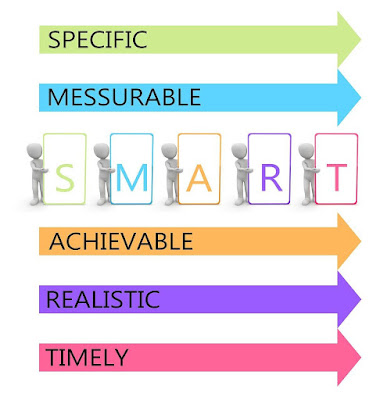
Setting goals is a fundamental aspect of effective time management, and using the SMART criteria—Specific, Measurable, Achievable, Relevant, and Time-bound—provides a framework for creating clear and actionable objectives. Specific goals clearly define what you want to achieve, such as aiming to “complete three specific tasks by the end of the day” rather than vaguely “improving productivity.” Measurable goals allow you to track progress, like “write 1,000 words” instead of “write more.” Achievable goals should be realistic and within your capacity to prevent frustration and burnout. Relevant goals align with your broader objectives and values, ensuring that the effort you invest is worthwhile. Finally, time-bound goals come with deadlines, creating a sense of urgency and maintaining focus. To create a clear and actionable plan, break down larger goals into smaller tasks, set deadlines for each task, and regularly review and adjust your plan as needed.
 

Prioritization Techniques

 
Prioritizing tasks is essential for maximizing efficiency and ensuring that important activities are completed on time. One effective method is the Eisenhower Matrix, which helps prioritize tasks based on their urgency and importance. This tool divides tasks into four categories: urgent and important tasks that need immediate attention, important but not urgent tasks that should be scheduled for later, urgent but not important tasks that can be delegated, and tasks that are neither urgent nor important, which might be eliminated. Differentiating between essential and non-essential tasks involves evaluating them based on their impact on your goals, focusing on high-impact activities that drive progress, and limiting time spent on low-priority tasks. Tools and apps like Todoist, Trello, and Asana can help with task organization and prioritization by providing visual and collaborative ways to manage tasks effectively.
 

Time Management Tactics

 
mastering-time-management-for-greater-productivity


Structuring your workday effectively is crucial for maintaining productivity. Timeboxing and time blocking are two techniques that can help. Timeboxing involves setting fixed amounts of time for each task, ensuring that activities do not extend beyond their allotted period. Time blocking reserves specific periods in your calendar for particular activities, helping to maintain focus and prevent distractions. Another effective tactic is the Pomodoro Technique, which involves working in focused intervals of usually 25 minutes, followed by a short 5 -Minute break. After completing four intervals, take a longer break of 15 to 30 minutes. This technique helps maintain high levels of concentration and reduces mental fatigue. Additionally, scheduling regular breaks prevents burnout and keeps your mind fresh, while avoiding multitasking ensures higher productivity and accuracy by allowing you to focus on one task at a time. By incorporating these strategies into your daily routine, you can enhance your time management skills, boost productivity, and achieve your goals more efficiently.


Overcoming Time Management Challenges

 
mastering-time-management-for-greater-productivity


Common time management roadblocks can significantly hinder productivity, but recognizing and addressing these obstacles can help you regain control of your time. One major roadblock is procrastination, often caused by the overwhelming nature of tasks or a lack of motivation. To combat procrastination, break tasks into smaller, more manageable steps, and use techniques like the Pomodoro Technique to maintain focus. Setting specific deadlines and holding yourself accountable can also help you stay on track.
 
Distractions, such as social media and email notifications, are another common time management challenge. To minimize these interruptions, designate specific times to check emails and social media, and use tools like website blockers to restrict access during work periods. Creating a dedicated, clutter-free workspace can also help reduce distractions and improve concentration.
 
Unforeseen interruptions, such as sudden meetings or urgent tasks, can disrupt your schedule and derail your productivity. To manage these interruptions, build flexibility into your schedule by allocating buffer times between tasks. Prioritize your to-do list to ensure that essential tasks are completed first, and practice assertiveness in managing requests from others to protect your time. By implementing these strategies, you can overcome common time management challenges and maintain a more productive and focused workday.


Building Sustainable Habits

 
mastering-time-management-for-greater-productivity


Consistency is key in implementing time management techniques successfully. Developing sustainable habits requires integrating these strategies into your daily routine. Start by setting regular times for planning your day, such as every morning or the night before. Use tools like calendars, to-do lists, and time management apps to keep track of tasks and deadlines. Regularly reviewing your progress and adjusting your plans as needed can reinforce these habits.
 
Building time management into your routine also involves setting realistic expectations and being flexible with your approach. Not every day will go as planned, and it’s important to adapt without becoming discouraged. Self-compassion plays a crucial role in this process. Understand that perfectionism can hinder progress; it’s more important to make steady progress than to complete everything perfectly. Acknowledge your efforts and celebrate small victories to stay motivated.
 
By identifying and overcoming common time management challenges and building sustainable habits, you can enhance your productivity and achieve your goals more effectively. Consistency, flexibility, and self-compassion are essential components of successful time management, enabling you to maintain a balanced and productive lifestyle.
In summary, mastering time management is essential for reducing stress, increasing productivity, and achieving a balanced life. By setting SMART goals, prioritizing tasks effectively, and utilizing techniques such as timeboxing and the Pomodoro Technique, you can transform your daily routine into a more efficient and manageable schedule. Additionally, overcoming common challenges like procrastination, distractions, and interruptions is crucial for maintaining productivity.
 
Now, it’s time to put these strategies into action. Start by setting clear, achievable goals for yourself and prioritize your tasks based on importance and urgency. Experiment with different time management techniques and find what works best for you. Stay consistent, be flexible, and practice self-compassion as you develop these new habits.
 
Stay tuned for upcoming blog posts where we’ll delve deeper into specific time management techniques, offering detailed guides and additional tips to help you further refine your approach.


Q&A
 
Q: How do I stay motivated when I feel overwhelmed?
 
A: Break tasks into smaller steps and focus on completing one step at a time. Celebrate small victories to maintain motivation.
 
Q: What should I do if I fall behind schedule?
 
A: Reassess your priorities and adjust your plan. Focus on the most critical tasks first and allocate additional time to catch up if needed.
 
Q: How can I stay focused when working from home?
 
A: Create a dedicated workspace, set clear boundaries between work and personal time, and use tools to block distractions. Establish a routine and stick to it as closely as possible.
 
Q: What if I have too many tasks and feel overwhelmed?
 
A: Use prioritization techniques like the Eisenhower Matrix to determine which tasks are most important and urgent. Break down larger tasks into smaller, manageable steps and tackle them one at a time.


Success Stories

 
mastering-time-management-for-greater-productivity


Success Story 1: Sonika, a marketing manager, struggled with meeting deadlines and managing her team’s tasks. By implementing the Eisenhower Matrix and time blocking, she was able to prioritize effectively and significantly improve her team’s productivity. This led to a noticeable increase in project completion rates and overall job satisfaction.
 
Success Story 2: Shikhar, a software developer, found himself frequently distracted by social media and emails. By adopting the Pomodoro Technique and setting specific times for checking emails, he reduced distractions and increased his focused work time. As a result, his coding efficiency and quality improved, earning him recognition from his peers and supervisors.
 
These success stories illustrate that with the right strategies and a commitment to consistent practice, anyone can enhance their time management skills and achieve greater productivity. Start today and see the positive changes unfold in your own life.


Thank you for your time and consideration ❤️ 🙏…

@Puja Singh…


      Imagine you’re juggling multiple tasks—finishing a project for work, attending a meeting, responding to emails, and trying to squeeze in some time management. The day seems to slip away, leaving you overwhelmed and short on time. This scenario is all too familiar to many of us. Effective time management, however, can transform this chaos into a structured

 Breaking Free from Negative Thought Patterns

breaking-free-from-negative-thought-patterns


Imagine waking up on a beautiful Sunday morning, the sun shining through your window, promising a day of leisure and relaxation. But as you stretch and prepare to embrace the day, a familiar heaviness settles over you. Negative thoughts begin to creep in, like unwelcome guests crashing the party of your mind. here we learn how to free from negative thought pattern.

Perhaps it starts with a fleeting worry about an upcoming deadline at work, which snowballs into a full-blown anxiety about your competence and worth. Or maybe it’s a simple comparison to your seemingly perfect neighbor, whose flawless life you can’t help but envy.
These negative thought patterns, like uninvited squatters in the house of your mind, have a remarkable ability to color every aspect of your life. They can chip away at your self-esteem, cloud your judgment, and hinder your ability to enjoy the present moment.
But what if there was a way to evict these unwanted guests and reclaim control of your thoughts and emotions? What if you could break free from the cycle of self-doubt and criticism, and instead cultivate a mindset of positivity and empowerment?
By understanding the concept of negative thought patterns and their impact on our lives, we can begin to unravel their hold on us and pave the way for a brighter, more fulfilling existence. Through mindfulness, cognitive-behavioral techniques, and self-compassion, we can learn to challenge and reframe these patterns, replacing them with thoughts that uplift and inspire us.
The benefits of overcoming negative thought patterns are manifold. Not only can it lead to improved mental and emotional well-being, but it can also enhance our relationships, boost our productivity, and open doors to new opportunities. By choosing to cultivate a mindset of positivity and resilience, we can transform our lives in ways we never thought possible.

The Grip of Negativity

 
breaking-free-from-negative-thought-patterns


Negative thought patterns are like mental shortcuts our brains take, often leading to distorted perceptions and interpretations of reality. Some common examples include catastrophizing (assuming the worst will happen), self-doubt (questioning one’s abilities or worth), and negativity bias (focusing on the negative aspects of situations while ignoring the positive).
 
These patterns can become ingrained in our thinking through repetition and reinforcement. The more we entertain negative thoughts, the stronger they become, forming deep neural pathways in our brains that make it easier for negativity to take hold.
 
The consequences of these negative thought patterns can be profound, impacting our mental and emotional well-being. Constant exposure to negativity can lead to increased stress, anxiety, and a diminished sense of self-esteem. It can also affect our relationships, performance at work or school, and overall quality of life.


Taking Back Control

 
breaking-free-from-negative-thought-patterns
Cognitive reframing offers a powerful tool for challenging negative thoughts and reclaiming control over our minds. By consciously examining and altering the way we interpret situations, we can disrupt the automatic negative patterns and cultivate a more positive outlook.
 
To begin this process, it’s essential to become aware of our negative thought patterns. Journaling can be an effective method for identifying recurring themes and triggers, while mindfulness exercises help us observe our thoughts without judgment, allowing us to recognize negative patterns as they arise.
 
Once identified, negative thoughts can be reframed using various strategies. Humor can inject levity into a bleak situation, shifting our perspective and diffusing tension. Focusing on the positive aspects of a situation helps counteract negativity bias, while actively seeking evidence to challenge catastrophic thinking promotes a more balanced and realistic view.


Building a Positive Mindset

 
breaking-free-from-negative-thought-patterns
Overcoming negative thoughts is not just about eliminating  the bad but also nurturing the good, and self-compassion is a critical part of this process. Treating yourself with kindness and understanding when you make mistakes helps in building resilience against negative self-criticism. Remember, everyone has flaws and setbacks; accepting this can alleviate the burden of perfectionism and promote a healthier self-image.
To develop a more positive and growth-oriented mindset, start by embracing challenges as opportunities for learning rather than threats. Focus on progress, not perfection, and celebrate small victories along the way. Surround yourself with positive influences and practice self-care regularly.
Incorporate practices like gratitude journaling and positive affirmations into your daily routine. By writing down things you’re grateful for each day, you shift your focus from what’s lacking to what’s abundant in your life. Positive affirmations, such as “I am capable and strong,” can help rewire your brain to think more optimistically and boost your confidence.

Living a More Empowered Life

 
breaking-free-from-negative-thought-patterns


Overcoming negative thought patterns can significantly enhance your mental and emotional well-being. Reduced stress, lower anxiety levels, and improved self-esteem are just a few of the many benefits. When your mind is free from the constant barrage of negativity, you can think more clearly, make better decisions, and build healthier relationships.
Now is the time to take action. Implement the strategies outlined in this post—practice self-compassion, develop a growth mindset, and embrace gratitude and positivity. These steps can transform the way you think and feel, empowering you to live a more fulfilling and joyful life.
So, break free from the chains of negativity. Start today by taking one small step toward a positive change. Your mind is a powerful tool, and with the right mindset, you can create a life filled with purpose, happiness, and success. Take control, believe in yourself, and embrace the journey to a more empowered you.

Resources for Further Exploration:

 
breaking-free-from-negative-thought-patterns

1.Books:

The Power of Now by Eckhart Tolle
 
•Mindset: The New Psychology of Success by Carol S. Dweck
 
•The Happiness Project by Gretchen Rubin
 
•Self-Compassion: The Proven Power of Being Kind to Yourself by Kristin Neff
 
•The Gifts of Imperfection by Brené Brown

2.Articles:

 
•”How to Stop Negative Thoughts” by Mayo Clinic
 
•”The Science of Gratitude” by Greater Good Science Center
 
•”Understanding and Overcoming Negative Thought Patterns” by Psychology Today
 

3.Websites:

Mindful.org – Resources and guides for mindfulness practices
PositivePsychology.com – Articles and tools for fostering positive thinking
Headspace – Guided meditations and mindfulness exercises


My Personal Story:

 
breaking-free-from-negative-thought-patterns


A few years ago, I found myself caught in a whirlwind of negative thoughts. Every setback felt like a personal failure, and I constantly doubted my abilities. This mental pattern not only affected my mood but also my relationships and work performance. I realized I needed a change.
I started by journaling my thoughts and soon noticed a recurring theme of self-doubt and catastrophizing. With this awareness, I began practicing mindfulness and self-compassion. Whenever a negative thought crept in, I would challenge it with evidence from past successes or reframe it with humor. Gradually, I integrated gratitude journaling and positive affirmations into my daily routine.
The transformation was profound. I felt lighter, more confident, and better equipped to handle challenges. My relationships improved, and I became more productive at work. Overcoming negative thoughts wasn’t an overnight process, but with consistent effort, I reclaimed control over my mind and life.


breaking free from negative thought pattern and Overcoming negative thought patterns  can lead to a life filled with greater joy, resilience, and fulfillment. Take the first step today by embracing the strategies discussed and exploring the resources provided. Remember, you have the power to reshape your thoughts and, in turn, your reality. Start your journey now and create the positive, empowered life you deserve.


Thank you for your time and blessings ❤️ 🙏 …

@Puja Singh…


 Breaking Free from Negative Thought Patterns       Imagine waking up on a beautiful Sunday morning, the sun shining through your window, promising a day of leisure and relaxation. But as you stretch and prepare to embrace the day, a familiar heaviness settles over you. Negative thoughts begin to creep in, like unwelcome guests crashing the party of your

10 Natural Ways to Boost Your Immune System 

 
10-natural-ways-to-boost-your-immune-system


The immune system is the body’s defense mechanism against infections, diseases, and foreign invaders. It comprises various organs, cells, and proteins that work together to identify and neutralize harmful substances.

The immune system is crucial because it helps maintain health by preventing and fighting off infections. Without a properly functioning immune system, the body would be vulnerable to pathogens, leading to illness and disease.

While there is no magic bullet to instantly boost immunity, many natural ways can support the body’s defenses. These include maintaining a balanced diet, exercising regularly, getting adequate sleep, managing stress, and practicing good hygiene.

1.Fuel Your Body Right

10-natural-ways-to-boost-your-immune-system


A balanced diet rich in fruits, vegetables, and whole grains is essential for maintaining a strong immune system. These foods provide vital nutrients and antioxidants that help the body fend off infections and illnesses. Specific nutrients known to boost immunity include:

Vitamin C: Found in citrus fruits, strawberries, bell peppers, and broccoli, it helps protect against infection by encouraging the production of white blood cells.

Vitamin D: Obtained from sunlight exposure and foods like fatty fish, fortified dairy products, and egg yolks, it plays a crucial role in modulating the immune response.

Zinc: Present in meat, shellfish, legumes, and seeds, it is vital for immune cell function and helps the body fight off invading bacteria and viruses.

2.Don’t Forget the Gut

 
10-natural-ways-to-boost-your-immune-system


The gut and immune system are closely connected, with a significant portion of the immune system residing in the gut. A healthy gut supports the immune system by fostering a balanced microbiome, which helps prevent the growth of harmful bacteria and promotes the production of beneficial immune cells.


To promote healthy gut bacteria:


Consume fermented foods: Foods like yogurt, kefir, sauerkraut, and kimchi are rich in probiotics, beneficial bacteria that support gut health.


Include prebiotics: Prebiotics are non-digestible fibers found in foods like garlic, onions, bananas, and asparagus that feed beneficial gut bacteria and help them thrive.

3.Move It or Lose It

 
10-natural-ways-to-boost-your-immune-system


Regular exercise is highly beneficial for immune function. It helps improve circulation, allowing immune cells and other substances to move through the body more efficiently, thereby enhancing the immune response. Moderate exercise, such as brisk walking, cycling, or swimming, for about 30 minutes most days of the week, is optimal for maintaining a healthy immune system.

4.Sleep is King (or Queen)

10-natural-ways-to-boost-your-immune-system


Sleep deprivation can significantly weaken the immune system, making the body more susceptible to infections. During sleep, the body repairs and regenerates, including the immune system. Aim for 7-8 hours of quality sleep each night to ensure your immune system functions at its best.

5.Manage Stress, Master Your Health

 
Chronic stress has a detrimental impact on immunity. It can lead to the continuous release of stress hormones like cortisol, which suppress the immune response. Managing stress through relaxation techniques such as deep breathing, meditation, or yoga can help maintain a strong immune system and overall health.


6.Sunshine Makes You Shine (with Vitamin D)

Vitamin D plays a crucial role in immune function, enhancing the pathogen-fighting effects of immune cells and helping to regulate the immune response. Safe sun exposure is a natural way to boost Vitamin D levels. Spending time outdoors, particularly in the morning or late afternoon, can help maintain adequate Vitamin D levels. Always consult a doctor for specific recommendations on safe sun exposure.

7.Hydration is Key

 
10-natural-ways-to-boost-your-immune-system


Water is essential for keeping the body’s systems functioning smoothly, including the immune system. It helps transport nutrients to cells, flush out toxins, and maintain proper bodily functions. Adequate hydration ensures that immune cells can move freely throughout the body and effectively combat infections. Aim to drink plenty of fluids throughout the day to stay hydrated and support immune health.

8.Wash Away Worries (and Germs)

Proper handwashing is a simple yet effective way to prevent infection and reduce the spread of germs. Encourage frequent handwashing with soap and water, especially before eating, after using the restroom, and after being in public places. Thorough handwashing helps remove bacteria and viruses from the hands, lowering the risk of illness.

9.Smoke Signals – Not the Healthy Kind

 
Smoking weakens the immune system and increases the risk of infections and illnesses. The chemicals in tobacco smoke damage immune cells, impairing their ability to function properly and defend against pathogens. Quitting smoking or avoiding exposure to secondhand smoke is essential for maintaining a strong immune system and overall health.

10.Booze in Moderation

10-natural-ways-to-boost-your-immune-system


Excessive alcohol consumption can impair immune function by suppressing the production of immune cells and disrupting the body’s inflammatory response. To support optimal immune function, it’s recommended to consume alcohol in moderation or abstain altogether. Limiting alcohol intake helps maintain a healthy immune system and reduces the risk of infections and other health problems.


Maintaining a robust immune system is crucial for overall health and well-being. One key aspect of supporting immune function is through a balanced diet rich in fruits, vegetables, and whole grains. These foods provide essential nutrients such as vitamins C and D, as well as zinc, which are known for their immune-boosting properties. Ensuring adequate hydration by drinking plenty of fluids throughout the day is also vital for supporting immune function and overall health.
Regular exercise is another essential component of a healthy lifestyle that benefits the immune system. Engaging in moderate exercise most days of the week helps improve circulation, allowing immune cells to move more efficiently throughout the body and perform their functions effectively. Additionally, prioritizing quality sleep of 7-8 hours each night is essential for immune health, as it allows the body to repair and regenerate, producing essential cytokines that fight infection and inflammation.
Proper hygiene practices, such as thorough handwashing with soap and water, are simple yet effective ways to prevent the spread of germs and reduce the risk of infections. Avoiding smoking and limiting alcohol intake are also crucial for supporting optimal immune function. Smoking weakens the immune system, making the body more susceptible to infections and illnesses, while excessive alcohol consumption can impair immune function and disrupt the body’s inflammatory response.
Incorporating these tips into daily life can help strengthen the immune system and better protect against illnesses and infections. By making healthy lifestyle choices and prioritizing immune health, individuals can enhance their overall well-being and quality of life.


Thank you for your time and consideration ❤️ 🙏.

@Puja Singh…

The immune system is the body’s defense mechanism against infections, diseases, and foreign invaders. It comprises various organs, cells, and proteins that work together to identify and neutralize harmful substances.