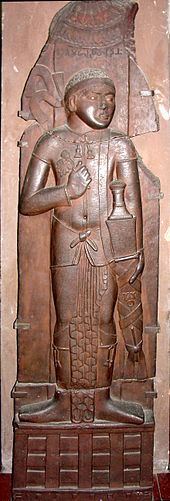
Satwahana Dynasty


satwahana-dynasty-andhras-first-empire-builders


            The Satavahanas were a significant dynasty in ancient Indian history, playing a crucial role in shaping the cultural, religious, and economic landscape of the subcontinent. Satwahana Dynasty emerged around the 1st century BCE and lasted until the 3rd century CE. Their rule was primarily concentrated in the Deccan region of India, with their capital at Pratishthana (modern-day Paithan).

The Satavahanas held sway over a vast geographical extent, spanning parts of present-day Maharashtra, Andhra Pradesh, Telangana, and Karnataka. This dynasty is known for its contributions to the revival and patronage of Hinduism, particularly during the period of Gautamiputra Satakarni. Under his rule, the Satavahanas actively supported Brahmanism and Hindu religious practices, contributing to the cultural integration of diverse regions within their empire.

Apart from their religious impact, the Satavahanas were instrumental in fostering trade and economic prosperity. The Deccan region, with its strategic location, became a hub for trade routes connecting the northern and southern parts of India. The Satavahanas actively engaged in maritime trade with Roman Egypt, which significantly boosted commerce and cultural exchange during this period.


In essence, the Satavahanas left an indelible mark on Indian history by promoting Hinduism, fostering trade, and contributing to the socio-economic development of the Deccan region during their reign.


Early expansion


Simuka was succeeded by his brother Kanha (also known as Krishna), who extended the kingdom up to Nashik in the west. His successor Satakarni I conquered western Malwa, Anupa (Narmada valley) and Vidarbha, taking advantage of the turmoil caused by Greek invasions of northern India. He performed Vedic sacrifices including Ashvamedha and Rajasuya. Instead of the Buddhists, he patronised Brahmins and donated a substantial amount of wealth to them. The Hathigumpha inscription of the Kalinga king Kharavela mentions a king named “Satakani” or “Satakamini”, who some identify with Satakarni I. The inscription describes dispatching of an army and Kharavela’s threat to a city. Since the inscription is only partially legible, different scholars interpret the events described in the inscription differently. According to R. D. Banerji and Sailendra Nath Sen, Kharavela sent out an army against Satakarni. According to Bhagwal Lal, Satakarni wanted to avoid an invasion of his kingdom by Kharavela. So, he sent horses, elephants, chariots and men to Kharavela as a tribute. According to Sudhakar Chattopadhyaya, Kharavela’s army diverted its course after failing to advance against Satakarni. According to Alain Daniélou, Kharavela was friendly with Satakarni, and only crossed his kingdom without any clashes.

Satakarni’s successor Satakarni II ruled for 56 years, during which he captured eastern Malwa from the Shungas. This allowed him access to the Buddhist site of Sanchi, in which he is credited with the building of the decorated gateways around the original Mauryan Empire and Sunga stupas. Satakarni II is known from a dedicatory inscription at Sanchi. He was succeeded by Lambodara. The coins of Lambodara’s son and successor Apilaka have been found in eastern Madhya Pradesh. However, Andrew Ollett argues that there is only one Satakarni, as the alleged first Satakarni is assigned ten years, and the second, fifty years by other scholars, but the only dated inscription of this king is Candankheda seal from his reign’s year 30, around 60 BCE, and he ruled ca. 88-42 BCE.

 The Rise of the Satwahana dynasty

 
satwahana-dynasty-andhras-first-empire-builders


Emerging from the political fragmentation following the Mauryan Empire’s decline, the Satwahana dynasty carved a unique and enduring chapter in Indian history. Their origins, though debated, are often linked to the Andhras, a region teeming with historical significance. Regardless of their exact beginnings, the Satavahanas’ rise to power was a remarkable journey, propelled by strategic leadership, military prowess, and an astute understanding of the political landscape.

Simuka, a visionary leader, laid the groundwork for the dynasty’s success. Choosing Pratishthana, a bustling trade hub, as the capital proved to be a stroke of genius. This strategic location facilitated economic growth and provided a strong base for future expansion. Under Simuka’s reign, the Satwahana dynasty established themselves as a force to be reckoned with, beginning to carve out their territory from the fractured political landscape.

Following Simuka’s reign, a succession of capable rulers further solidified the Satwahana dynasty. Satakarni I, with his westward expansion, laid claim to Maharashtra and Malwa, expanding the empire’s geographical reach. Khambhato I and Siri Satakarni continued this expansion, incorporating the fertile Konkan region in the west and pushing the boundaries northwards to encompass the Narmada River.

However, it was Gautamiputra Satakarni who truly cemented the Satwahana dynasty’s dominance. His decisive victory over the formidable Shakas, a powerful foreign tribe, earned him the revered title “Dakshinapatheshvara” (Lord of the Deccan). This victory not only secured the empire’s northern borders but also served as a potent display of Satavahana military might, reaffirming their position as the undisputed power in the Deccan region.

Beyond military prowess, the Satavahanas were shrewd diplomats and skilled administrators. They employed strategic alliances with neighboring kingdoms, fostering stability and securing their borders. Their internal governance was marked by a well-organized administrative structure, ensuring efficient management of the vast empire.

The Satwahana dynasty’s influence transcended political boundaries. They were patrons of art and culture, fostering a flourishing intellectual and artistic environment. Their reign witnessed the blossoming of Buddhist and Hindu traditions, with the construction of iconic monuments like the Ajanta and Ellora caves standing as testaments to their cultural legacy.

The Satwahana dynasty flourished for centuries, leaving an indelible mark on the Indian subcontinent. Their rise from obscurity to sovereignty remains a testament to their strategic acumen, military might, and cultural influence. Their legacy continues to inspire and inform historical discourse, offering valuable insights into the dynamics of power and governance in ancient India.

the rise of the Satavahanas to power was closely tied to the decline of the Mauryan Empire. The Mauryan Empire, founded by Chandragupta Maurya in the 4th century BCE, had started to weaken after the death of the great Emperor Ashoka. As the Mauryan Empire disintegrated, various regional powers and dynasties began to assert their independence.

The Satavahanas took advantage of this power vacuum and emerged as a formidable force in the Deccan. The early Satavahana rulers, such as Simuka, led military campaigns to expand their influence and consolidate their territories. Simuka is often considered the founder of the Satwahana dynasty, and his reign marked the beginning of their ascendancy. His successors, like Kanha and Satakarni, continued the expansion and consolidation efforts.

Gautamiputra Satakarni, one of the most notable Satavahana rulers, played a crucial role in the dynasty’s rise to prominence. His military campaigns not only expanded the Satavahana territories but also solidified their rule over a substantial part of the Deccan. Gautamiputra Satakarni’s reign, around the 2nd century CE, is particularly significant for its impact on the revival of Hinduism and the assertion of Satavahana power in the face of external threats.

Overall, the Satavahanas rose to power by capitalizing on the decline of the Mauryan Empire, leveraging their connections with the Andhra people, and employing effective military and political strategies led by key figures like Simuka and Gautamiputra Satakarni.

Political and Administrative Structure


satwahana-dynasty-andhras-first-empire-builders


Political Structure:

The political structure of the Satwahana dynasty was characterized by a monarchical system with the king at the helm of affairs. The king held central authority and was the chief executive, responsible for making important decisions related to governance, diplomacy, and military matters. The Satwahana dynasty kings often bore titles such as “Maharaja” or “Raja.”

In addition to the king, the Satavahanas had a council of ministers who played a crucial role in advising and assisting the monarch. The council of ministers, known as the “Mantri Parishad,” comprised key officials who assisted the king in governance. The ministers were responsible for various administrative functions, including finance, justice, and foreign affairs.

Administrative System:

The Satavahanas organized their kingdom into provinces, each headed by a governor or a noble appointed by the king. These provincial divisions facilitated better governance and administrative efficiency. The administrative units were known as “Ahara,” and their heads were called “Ahara-adhipatis.”

Local governance was carried out by officials at the grassroots level. Villages and towns were administered by local councils or assemblies, and decisions were often made collectively. Village heads, known as “Gramakuta” or “Gramabhojaka,” were responsible for local administration.

The Satavahanas also had a well-organized revenue system. Land revenue was a significant source of income, and officials called “Sthanikas” were appointed to assess and collect taxes. The administration focused on maintaining law and order, ensuring justice, and collecting revenue efficiently.

Military Organization and Campaigns:

The Satavahanas maintained a well-organized military to safeguard their kingdom and expand their territories. The military consisted of infantry, cavalry, and elephants. The king served as the supreme commander of the armed forces.

Military campaigns were an integral part of the Satavahana expansion. Rulers like Simuka, Kanha, and Gautamiputra Satakarni engaged in successful military expeditions to consolidate and extend their dominion. The Deccan region witnessed both territorial expansion and defense against external threats. Gautamiputra Satakarni, in particular, is celebrated for his successful military campaigns against the Western Kshatrapas, restoring Satavahana authority over western regions.

The military campaigns not only aimed at territorial expansion but also contributed to the overall prosperity of the kingdom by controlling trade routes and ensuring security. The military played a crucial role in maintaining the Satwahana dynasty’s dominance in the Deccan region throughout its existence.

Satavahana Contributions to Religion, Culture, and Trade

Religious Revival and Artistic Flourishing

The Satwahana dynasty played a pivotal role in the resurgence of Hinduism and the rise of Mahayana Buddhism. They were ardent patrons of both religions, sponsoring the construction of numerous temples, shrines, and stupas. This patronage not only fostered religious development but also spurred a vibrant artistic and cultural movement.


The Satavahanas actively patronized the revival of Vedic rituals and ceremonies, performing elaborate sacrifices like the Ashvamedha and Rajasuya. They also granted land and resources to Brahmins, solidifying their support for the Hindu faith.

During their reign, Mahayana Buddhism experienced significant growth. The Satavahanas supported the construction of renowned cave temples like Ajanta and Ellora, renowned for their magnificent murals and sculptures depicting Buddhist stories and teachings. These artistic masterpieces not only served as religious sites but also showcased the artistic prowess of the Satavahana era.

The Satavahana period also witnessed the flourishing of Prakrit literature. Scholars and poets composed a vast body of literary works, including epics, dramas, and religious texts. This literary output enriched Indian culture and contributed to the development of regional languages.

Commerce and Connectivity

The Satavahanas were astute rulers who recognized the importance of trade for economic prosperity. They established a flourishing trade network, connecting the Deccan region with Southeast Asia and the Roman world. Their ports at Broach and Sopara served as crucial hubs for maritime trade, bustling with merchants and exotic goods.

Trade with Southeast Asia brought valuable commodities like spices, pearls, and ivory to the Satwahana dynasty. The interaction with the Romans facilitated the exchange of textiles, metals, and precious stones. This robust trade network not only generated substantial wealth but also introduced new ideas, cultures, and technologies to the Indian subcontinent.

The Satavahanas‘ patronage of art, religion, and trade significantly contributed to their enduring legacy. Their contributions helped shape the cultural landscape of India and fostered a golden age of intellectual and artistic development. The monuments, sculptures, and literary works they commissioned continue to inspire and offer valuable insights into their rich and multifaceted civilization.

 The Decline and Fall of the Satwahana dynasty


The  a beacon of power and cultural influence in ancient India, eventually succumbed to the inexorable forces of internal fragmentation and external challenges. This decline, though gradual, marked a significant turning point in the political landscape of the Deccan region.


Internal Discord:


One of the key factors contributing to the Satwahana dynasty decline was the erosion of centralized control. The vastness of the empire, coupled with a decentralized administrative structure, empowered regional governors, leading to a gradual weakening of imperial unity. These regional leaders, motivated by their own aspirations, prioritized personal agendas over the collective interests of the empire. This internal discord undermined the Satwahana dynasty’s ability to respond effectively to external threats.


External Pressures: 


While internal discord was undermining the Satwahana dynasty from within, external forces relentlessly threatened its territorial integrity. The Abhiras, a powerful tribal community, encroached upon the northern frontiers, carving out their own kingdom in the Nashik region. Additionally, the Shakas in the west applied persistent pressure, stretching the Satavahana military thin and further straining their resources. These external threats, combined with internal vulnerabilities, significantly weakened the empire’s defensive capabilities.


Rise of Rivals: 


As the Satavahanas grappled with internal discord and external attacks, ambitious regional powers began to emerge, seizing the opportunity to establish their own territories. The Ikshvakus, taking advantage of the Satavahana decline, established a kingdom in the eastern Deccan, wresting control of the strategically important Andhra region. Similarly, the Pallavas in the south rose to prominence, challenging the Satavahana hegemony and expanding their influence.


The emergence of these regional powers, fueled by their own ambitions and capitalizing on the weakened Satavahana state, further accelerated the empire’s disintegration. They became formidable rivals, ultimately contributing to the fragmentation of the Satwahana dynasty domain into numerous smaller kingdoms.


Pulamavi IV: A Last Stand


satwahana-dynasty-andhras-first-empire-builders


Pulamavi IV, the last prominent Satwahana dynasty ruler, ascended the throne during the twilight years of the empire. Recognizing the precarious situation, he embarked on a series of military campaigns to reassert control over the rebellious regions and defend against external threats. However, despite his courageous efforts, Pulamavi IV was unable to stem the tide of decline. By the mid-3rd century CE, the Satwahana dynasty had fractured into numerous smaller kingdoms, marking the end of their imperial rule.


Though their reign came to an end, the Satwahana dynasty’s legacy continues to resonate across the centuries. Their contributions to art, religion, and trade remain deeply embedded in the cultural fabric of India. The Ajanta and Ellora caves stand as testaments to their artistic brilliance, while their patronage of Hinduism and Buddhism fostered a vibrant religious environment that continues to influence the cultural landscape of India.


The decline and fall of the Satwahana dynasty serve as a reminder that even the most powerful empires are susceptible to the forces of change. Their story offers valuable insights into the complexities of managing vast empires, the ever-present threat of internal discord and external rivalries, and the dynamics of power that shape the course of history. Despite their eventual downfall, the Satwahana dynasty’s legacy as a pivotal force that shaped the cultural and political landscape of the Indian subcontinent remains undeniable.


Thank you for your time and consideration 🙏…

@Puja Singh…


Satwahana Dynasty                 The Satavahanas were a significant dynasty in ancient Indian history, playing a crucial role in shaping the cultural, religious, and economic landscape of the subcontinent. Satwahana Dynasty emerged around the 1st century BCE and lasted until the 3rd century CE. Their rule was primarily concentrated in the Deccan region of India,

Kanva Dynasty 


kanva-dynasty-forgotten-one


      The Kanva dynasty or Kanvayana was the eighth ruling dynasty of Magadha, established after Vasudeva Kanva overthrew the preceding Shunga dynasty and ruled from 73 BCE to 28 BCE.

Although the Puranic literature indicates that the Kanvas ruled from the former capital of the Shungas in Pataliputra, Magadha in Eastern India, their coins are primarily found in and around the region of Vidisha in Central India, which had also been the capital of later Shunga ruler

The Kanva dynasty, founded by Vasudeva Kanva in 73 BCE after assassinating Shunga Emperor Devabhuti, allowed the remaining Shunga kings to rule in obscurity. Comprising four rulers, the Kanva dynasty is often overlooked in Indian history, existing until its downfall by the Satavahanas in 28 BCE, and left a significant yet understated impact on the historical landscape following the Shunga Dynasty.

 WHO WAS THE KANVA DYNASTY ?

The Kanva dynasty was founded by Vasudeva Kanva in 73 BCE after he assassinated Shunga Emperor Devabhuti, having served as his minister. The Kanvas allowed the Shunga kings to rule in obscurity within their former territories, and the dynasty included four rulers. According to the Puranas, the Kanva dynasty ended in 28 BCE when the Satavahanas took over, marking a lesser-known yet intriguing period in Indian history following the Shunga Dynasty.

The Shunga Dynasty, which preceded the Kanvas, had faced internal strife and external pressures, creating a power vacuum that paved the way for the rise of the Kanva Dynasty. Their reign, spanning over four decades, played a crucial role in shaping the socio-political and cultural milieu of ancient India.


The purpose of this blog is to delve into the intriguing history of the Kanva Dynasty, exploring the circumstances surrounding their ascent, the key figures who shaped their rule, and the lasting impact they had on the region. By shedding light on this often-neglected dynasty, we aim to unravel the mysteries of their governance, military exploits, and contributions to the rich tapestry of Indian history. Join us on this journey as we uncover the hidden gems of the Kanva Dynasty and appreciate their significance in the broader historical narrative.


 A Historical Inquiry into the Kanva Dynasty’s Brahmanical Origins and Rise to Power


kanva-dynasty-forgotten-one


The Kanva Dynasty traced its lineage to a Brahmanic background, indicating their roots in the priestly class of ancient India. The Brahmanic connection suggests a strong association with religious and ritualistic practices, a characteristic that likely influenced their governance and policies.

Vasudeva Kanva’s Overthrow of Devabhuti


The Kanva dynasty emerged as a significant force in ancient India, captivating historians with their intriguing origins and enigmatic rise to power. While relatively short-lived, their reign from 73 BCE to 28 BCE left an indelible mark on the subcontinent, highlighting the complex interplay of political ambition, social aspirations, and religious ideologies.


Historical records, particularly the Puranas, establish the Kanvas’ Brahmanic lineage, placing them within the esteemed priestly and scholarly class. This background likely equipped them with intellectual prowess, administrative expertise, and social capital, providing a foundation for their ascent to leadership.


The transition from Shunga to Kanva rule is shrouded in mystery, with the most compelling narrative centering around Vasudeva Kanva. Serving as a minister in the court of the last Shunga king, Devabhuti, Vasudeva is believed to have orchestrated a coup, dethroning the reigning monarch and establishing the Kanva dynasty.


While the precise motives behind this usurpation remain a subject of historical debate, several theories offer plausible explanations. Somescholars propose that Vasudeva harbored political ambitions, seeking to claim the throne and exert control over the Magadha Empire. Others suggest that he may have been driven by a desire to restore the prestige and influence of the Brahmins, who had arguably experienced marginalization under the Shungas.

Furthermore, religious and cultural factors could have played a significant role in Vasudeva’s actions. The Kanvas might have sought to revive Vedic traditions and reassert Brahmanical dominance, thereby reshaping the religious landscape of the empire.


Although the precise reasons for the Kanva takeover remain a subject of ongoing scholarship, one thing is undeniable: their rise to power marked a crucial turning point in ancient Indian history. This event ushered in a new era with the Brahmins reclaiming their place at the forefront of the Magadha Empire and shaping the course of Indian history for the next four decades. Through meticulous analysis of historical records and archaeological evidence, we can continue to unravel the mysteries surrounding the Kanva dynasty and gain a deeper understanding of this fascinating period in Indian history.

The ascension of the Kanva Dynasty to power was marked by the overthrow of the Shunga ruler, Devabhuti, by Vasudeva Kanva. According to historical accounts, Vasudeva Kanva seized the throne in 73 BCE, signaling the end of the Shunga Dynasty’s rule. The exact circumstances surrounding this event remain somewhat elusive, with theories and interpretations offering insights into the possible motivations behind this usurpation.

Possible Motivations for Usurpation:

Several factors may have motivated Vasudeva Kanva to overthrow Devabhuti and establish the Kanva Dynasty:

1. Political Instability:

   The Shunga Dynasty faced internal strife and external pressures, resulting in political instability. Vasudeva Kanva might have exploited these vulnerabilities to assert his claim to power, presenting himself as a stabilizing force.

2. Military Ambitions:

   Ambitions for military expansion and the desire to establish a more robust and assertive rule could have driven Vasudeva Kanva to overthrow the Shunga ruler. The political landscape of ancient India was often characterized by power struggles and territorial ambitions, and Vasudeva Kanva might have seen an opportunity to assert dominance.

3. Discontent among the Brahmanic Class:

   Given the Brahmanic origins of the Kanva Dynasty, discontent within the priestly class could have played a role. If the Brahmanic community felt marginalized or overlooked during Shunga rule, Vasudeva Kanva might have garnered support by promising to restore their influence and privileges.

4. Dynastic Ambitions:

   Personal aspirations for establishing a lasting dynasty and leaving a legacy could also have motivated Vasudeva Kanva. Overthrowing the Shunga Dynasty would have been a strategic move to secure a lasting imprint on Indian history.

5. Religious and Cultural Ideals:

   The Brahmanic roots of the Kanva Dynasty might have influenced their approach to governance, emphasizing religious and cultural ideals. Vasudeva Kanva could have presented himself as a ruler aligned with these values, garnering support from those who sought a return to or preservation of traditional Brahmanic principles.

 The rise of the Kanva Dynasty marked a significant transition in Indian history, with Vasudeva Kanva’s overthrow of Devabhuti opening a new chapter. The motivations behind this usurpation are multifaceted, reflecting a complex interplay of political, military, social, and cultural factors that defined the dynamics of ancient Indian kingdoms.

Overview of the Kanva Dynasty’s Reign:


kanva-dynasty-forgotten-one


The Kanva Dynasty, which ruled from 73 BCE to 28 BCE, marked a transitional period in Indian history following the decline of the Shunga Dynasty. The reign of the Kanvas saw a series of events and accomplishments that shaped the political, social, and cultural landscape of ancient India.

Geographic Reach and Capital City

The Kanva Dynasty maintained control over a significant portion of the Indian subcontinent. Their capital city was Pataliputra, an ancient city located in present-day Bihar, which served as a political and cultural hub. Pataliputra’s strategic location along the Ganges River contributed to the dynasty’s administrative and economic prominence.

Notable Rulers:

  •  Vasudeva Kanva:
  • Bhumimitra:


 An Examination of the Kanva Dynasty’s Decline and Fall


Contributions to Art, Architecture, and Religion:


  •    The Maurya Dynasty, with figures like Chandragupta Maurya and Ashoka, is celebrated for its vast territorial reach and contributions to the spread of Buddhism.
  •    The Gupta Empire, known as the “Golden Age” of Indian history, is renowned for its cultural flourishing, including advancements in science, mathematics, and art. As the founder of the dynasty, Vasudeva Kanva played a crucial role in establishing the Kanva rule. His ascent to power marked the end of the Shunga Dynasty and the beginning of a new era.


   Following Vasudeva Kanva, Bhumimitra succeeded to the throne and continued the dynasty’s governance. Though less well-documented than his predecessor, Bhumimitra’s rule contributed to the stability and continuity of the Kanva Dynasty.

Cultural Contributions:


The cultural contributions of the Kanva Dynasty are not as extensively documented as those of some other Indian dynasties. However, their patronage of Brahmanic traditions and the location of their capital in Pataliputra, a center of learning and cultural exchange, likely fostered intellectual and artistic endeavors.


The dynasty eventually came to an end in 28 BCE, making way for the rise of the Satavahana Dynasty. The transition marked another pivotal moment in Indian history, with each dynasty leaving its unique imprint on the complex tapestry of the subcontinent’s past.


The Kanva Dynasty, a brief yet significant chapter in ancient Indian history, witnessed a meteoric rise to power followed by a swift and dramatic decline. Their reign, spanning from 73 BCE to 28 BCE, left an indelible mark on the political and cultural landscape of the subcontinent. However, after flourishing for roughly four decades, the Kanva dynasty succumbed to internal strife and external pressures, eventually falling to the rising power of the Satavahanas. 


kanva-dynasty-forgotten-one


Administrative Policies:

The administrative policies of the Kanva Dynasty were likely influenced by Brahmanic ideals and a desire for stability in the aftermath of the Shunga period. The rulers aimed to maintain order and ensure effective governance. Administrative reforms may have included efforts to streamline taxation, improve infrastructure, and strengthen the bureaucracy.

Social Reforms:

While specific details regarding social reforms are scarce, the Brahmanic roots of the dynasty suggest a potential emphasis on religious and societal norms. The Kanvas may have sought to reinforce traditional values and practices, possibly drawing support from the Brahmanic class.


Internal Factors Contributing to Decline:


While the Kanva Dynasty initially enjoyed stability under the astute leadership of Vasudeva Kanva, subsequent rulers faced a series of internal challenges that weakened the empire’s core. Succession struggles, particularly between different branches of the royal family, fractured the unity of the dynasty and led to internal conflicts. Additionally, the increasing autonomy of regional governors and military commanders further eroded the central government’s control, creating vulnerabilities that would ultimately prove fatal.


Economic Instability and Trade Decline:


The economic landscape during the Kanva reign was marked by a significant decline in trade. Shifts in major trade routes meant that the empire received less revenue, hindering its ability to maintain its military and administrative apparatus. This economic instability further compounded the internal conflicts, creating a perfect storm that threatened the dynasty’s survival.


The Rise of the Satavahanas:


The emergence of the Satavahana Dynasty in the Deccan region posed a significant external challenge to the Kanva Dynasty. Under ambitious rulers like Satakarni I and Gautamiputra Satakarni, the Satavahanas amassed a powerful military and a robust economic base. Their expansionist ambitions inevitably brought them into conflict with the Kanvas, setting the stage for a fateful clash.


The Fall of the Kanvas:


The final Kanva ruler, Susarman, bravely attempted to resist the Satavahana onslaught. However, despite his valiant efforts, he was ultimately overwhelmed by the superior forces of the Satavahanas. Susarman’s defeat and demise in 28 BCE marked the end of the Kanva Dynasty and the beginning of a new era under Satavahana rule.


Lessons from the Kanva Dynasty’s Demise:


The Kanva Dynasty’s decline serves as a cautionary tale, highlighting the importance of maintaining a strong and unified central government. Their story underscores the vulnerabilities inherent in succession struggles and warns against the dangers of neglecting economic stability. Additionally, it emphasizes the need for vigilance against external threats and the importance of strategic alliances in a dynamic geopolitical landscape.


By examining the factors that led to the Kanva Dynasty’s downfall, we gain a deeper appreciation for the complexities of ancient Indian history. Their story serves as a valuable reminder of the impermanence of power and the dynamic nature of empires, offering valuable insights into the forces that shape historical narratives and the enduring legacy of past civilizations.


kanva-dynasty-forgotten-one


Legacy and Significance:

Despite its relatively short duration, the Kanva Dynasty left a lasting impact on Indian history, contributing to the cultural and political evolution of the subcontinent. While not as extensively documented as some other dynasties, the Kanvas played a crucial role in shaping the transition from the Shunga Dynasty to the Satavahana Dynasty.

1. Brahmanic Influence:

   The Brahmanic roots of the Kanva Dynasty likely influenced religious practices and cultural norms. Their patronage of Brahmanic traditions may have contributed to the preservation and promotion of religious rituals and ceremonies.

2. Cultural Exchange:

   Pataliputra, the capital of the Kanva Dynasty, was a center of cultural exchange and learning. This likely fostered intellectual pursuits, artistic endeavors, and the development of various cultural expressions.

3. Architectural Endeavors:

   Specific architectural contributions of the Kanva Dynasty are not well-documented, but as patrons of Brahmanic culture, they likely supported the construction and maintenance of religious structures and places of learning.

Legacy in Comparison to Other Dynasties:

In comparison to other ancient Indian dynasties, the Kanva Dynasty’s legacy is often overshadowed by more prominent rulers and longer-lasting empires. The Maurya Dynasty, the Gupta Empire, and the later Chola and Vijayanagara Empires are frequently highlighted for their expansive territories, administrative achievements, and cultural contributions.

However, the Kanva Dynasty holds significance as a transitional period in Indian history. They served as a bridge between the Shunga Dynasty and the emerging powers like the Satavahanas. The Kanvas played a role in the unfolding narrative of political shifts and cultural developments during this dynamic era.

Comparison with the Mauryas and Guptas:

In contrast, the Kanva Dynasty’s significance lies in its role as a transitional force, setting the stage for the political realignment that followed.

While the Kanva Dynasty may not enjoy the same level of prominence as some other ancient Indian dynasties, its legacy remains embedded in the broader narrative of Indian history. The Kanvas, with their Brahmanic roots and contributions to cultural exchange, played a pivotal role in the ebb and flow of power during a critical period of transition. Understanding the Kanva Dynasty enriches our appreciation of the complex and multifaceted history of ancient India.


Thank you for your support and valuable time 🙏…

@Puja singh…


Kanva Dynasty              The Kanva dynasty or Kanvayana was the eighth ruling dynasty of Magadha, established after Vasudeva Kanva overthrew the preceding Shunga dynasty and ruled from 73 BCE to 28 BCE. Although the Puranic literature indicates that the Kanvas ruled from the former capital of the Shungas in Pataliputra, Magadha in Eastern India, their coins are primarily found in and around the region of Vidisha in Central India, which had also been the


sunga-dynasty-glimpse-into-post-mauryan-india


      The Sunga dynasty emerged as the successor to the Mauryan Empire in ancient India, marking a significant transition in the political landscape of the Indian subcontinent. The Mauryan Empire, led by the illustrious Emperor Ashoka, had reached its zenith in the 3rd century BCE, but by the mid-2nd century BCE, it began to decline, paving the way for the rise of the Sunga dynasty.


The Sunga dynasty took control of northern and central India around 185 BCE after the fall of the Mauryan Empire. Its founder, Pushyamitra Sunga, is said to have been the commander-in-chief of the last Mauryan ruler, Brihadratha. The emergence of the Sunga dynasty occurred in a backdrop of political instability, as the Mauryan Empire disintegrated, providing an opportunity for new powers to assert themselves.


The Sunga dynasty ruled during a crucial period in Indian history, known as the post-Mauryan or Shunga period, lasting until approximately 73 BCE. This era witnessed a complex interplay of political, social, and cultural developments. The Sunga rulers faced the challenge of consolidating power and stabilizing the political landscape after the Mauryan decline.


One of the key significances of the Sunga dynasty lies in its patronage of Brahmanical traditions, particularly Hinduism. Pushyamitra Sunga, the first ruler, is believed to have been a staunch supporter of Brahmanical orthodoxy. This marked a shift away from the Buddhist orientation of the Mauryan Empire, as the Sunga rulers sought to reestablish the dominance of traditional Vedic practices. Despite this emphasis on Brahmanism, the Sunga period also witnessed a continuation of Buddhist influence, with some rulers supporting Buddhism alongside Hinduism.


The Sunga dynasty’s contributions to Indian art and architecture are also noteworthy. Although not as monumental as the Mauryan legacy, the Sunga period saw the development of early forms of Indian art, with the creation of sculptures and reliefs that depicted both Hindu and Buddhist themes. These artistic endeavors laid the foundation for the rich artistic traditions that would flourish in later centuries.


Rise and Establishment of the Sunga Dynasty


sunga-dynasty-glimpse-into-post-mauryan-india


Pushyamitra Sunga and the Mauryan Downfall:

Pushyamitra Sunga, the founder of the Sunga dynasty, played a crucial role in the downfall of the Mauryan Empire. He is believed to have been the military commander under the last Mauryan ruler, Brihadratha. According to historical accounts, Pushyamitra assassinated Brihadratha and seized power, marking the end of the Mauryan dynasty. The exact reasons for this act are not explicitly documented, but it is often attributed to a power struggle or discontent within the military.


Pushyamitra Sunga is often portrayed as a staunch Brahmanical ruler, and his ascent marked a shift in the religious orientation of the Indian subcontinent. While the Mauryan Empire, under Ashoka, had embraced Buddhism, Pushyamitra Sunga and subsequent rulers favored Brahmanical traditions, which influenced the cultural and religious landscape of the Sunga period.


Reasons for the Decline of the Mauryan Empire and the Rise of the Sunga Dynasty:

The decline of the Mauryan Empire can be attributed to a combination of internal and external factors. Ashoka’s successors faced challenges in maintaining the vast territorial extent of the empire, and regional governors began to assert greater autonomy. The vast administrative machinery, coupled with the economic strain of maintaining a large standing army, might have contributed to internal instability.


Externally, the Mauryan Empire faced incursions from foreign invaders and external pressures. The northwest regions were particularly vulnerable to attacks from Central Asian and Greek forces. The weakening central authority and military challenges left the Mauryan Empire susceptible to fragmentation.


The emergence of the Sunga dynasty can be seen as a response to the power vacuum created by the Mauryan decline. Pushyamitra Sunga, with his military prowess and support from Brahmanical circles, seized the opportunity to establish a new ruling dynasty.


Extent of the Sunga Empire and Administrative Structure:

The Sunga dynasty covered substantial parts of northern and central India. Its core territories included the Gangetic plains, extending from present-day Uttar Pradesh to the northern regions of the Indian subcontinent. The exact territorial boundaries may have fluctuated during different reigns.


The administrative structure of the Sunga dynasty followed a pattern similar to the Mauryan model, with provinces or regions administered by governors. The empire was likely organized into districts (janapadas), and local administration was carried out by officials appointed by the central authority. The administrative machinery also played a role in revenue collection, which was crucial for sustaining the empire.


Despite the Brahmanical leanings of the rulers, there was a degree of religious tolerance, and Buddhism continued to coexist alongside Hinduism. The Sunga period laid the groundwork for the subsequent development of Indian polity and culture, contributing to the diverse historical tapestry of ancient India.


Wars of the Shungas

War and conflict characterised the Shunga period. They are known to have warred with the Kalingas, Satavahanas, the Indo-Greeks, and possibly the Panchalas and Mathuras.

The Shunga dynasty’s wars with the Indo-Greek Kingdom figure greatly in the history of this period. From around 180 BCE the Greco-Bactrian ruler Demetrius conquered the Kabul Valley and is theorised to have advanced into the trans-Indus to confront the Shungas.The Indo-Greek Menander I is credited with either joining or leading a campaign to Pataliputra with other Indian rulers; however, very little is known about the exact nature and success of the campaign. The net result of these wars remains uncertain.

sunga-dynasty-glimpse-into-post-mauryan
Vedika pillar with “Yavana” Greek warrior. Bharhut, Madhya Pradesh, Shunga Period, c. 100-80 BC. Reddish brown sandstone. Indian Museum, Calcutta.

Literary evidenceedit

Several works, such as the Mahabharata and the Yuga Purana describe the conflict between the Shungas and the Indo-Greeks.

Military expeditions of the Shungasedit

Scriptures such as the Ashokavadana claim that Pushyamitra toppled Emperor Brihadratha and killed many Buddhist monks. Then it describes how Pushyamitra sent an army to Pataliputra and as far as Sakala (Sialkot), in the Punjab, to persecute Buddhist monks.

War with the Yavanas (Greeks)edit

The Indo-Greeks, called Yavanas in Indian sources, either led by Demetrius I or Menander I, then invaded India, possibly receiving the help of Buddhists. Menander in particular is described as a convert to Buddhism in the Milindapanha.

The Hindu text of the Yuga Purana, which describes Indian historical events in the form of a prophecy, relates the attack of the Indo-Greeks on the Shunga capital Pataliputra, a magnificent fortified city with 570 towers and 64 gates according to Megasthenes, and describes the impending war for city:

Then, after having approached Saketa together with the Panchalas and the Mathuras, the Yavanas, valiant in battle, will reach Kusumadhvaja “the town of the flower-standard”, Pataliputra. Then, once Puspapura (another name of Pataliputra) has been reached and its celebrated mud-walls cast down, all the realm will be in disorder

— Yuga Purana

However, the Yuga Purana indicates that the Yavanas (Indo-Greeks) did not remain for long in Pataliputra, as they were faced with a civil war in Bactria.

Western sources also suggest that this new offensive of the Greeks into India led them as far as the capital Pataliputra:

Those who came after Alexander went to the Ganges and Pataliputra

— Strabo 

Battle on the Sindhu riveredit

An account of a direct battle between the Greeks and the Shunga is also found in the Mālavikāgnimitram, a play by Kālidāsa which describes a battle between a squadron of Greek cavalrymen and Vasumitra, the grandson of Pushyamitra, accompanied by a hundred soldiers on the “Sindhu river“, in which the Indians defeated a squadron of Greeks and Pushyamitra successfully completed the Ashvamedha Yagna. This river may be the Indus river in the northwest, but such expansion by the Shungas is unlikely, and it is more probable that the river mentioned in the text is the Sindh River or the Kali Sindh River in the Ganges Basin.

Epigraphic and archaeological evidenceedit

Dhanadeva-Ayodhya inscriptionedit

Ultimately, Shunga rule seems to have extended to the area of Ayodhya. Shunga inscriptions are known as far as Ayodhya in northern central India, in particular, the Dhanadeva-Ayodhya inscription refers to a local king Dhanadeva, who claimed to be the sixth descendant of Pushyamitra. The inscription also records that Pushyamitra performed two Ashvamedhas (victory sacrifices) in Ayodhya.

Yavanarajya inscriptionedit

sunga-dynasty-glimpse-into-post-mauryan
The Yavanarajya inscription, dated to “year 116 of Yavana hegemony”, probably 70 or 69 BCE, was discovered in Mathura. Mathura Museum.

The Greeks seem to have maintained control of Mathura. The Yavanarajya inscription, also called the “Maghera inscription”, discovered in Mathura, suggests that the Indo-Greeks were in control of Mathura during the 1st century BCE. The inscription is important in that it mentions the date of its dedication as “The last day of year 116 of Yavana hegemony (Yavanarajya)”. It is considered that this inscription is attesting the control of the Indo-Greeks in the 2nd and 1st centuries BCE in Mathura, a fact that is also confirmed by numismatic and literary evidence. Moreover, it does not seem that the Shungas ever ruled in Mathura or Surasena since no Shunga coins or inscriptions have been found there.

The Anushasana Parva of the Mahabharata affirms that the city of Mathura was under the joint control of the Yavanas and the Kambojas.

Later however, it seems the city of Mathura was retaken from them, if not by the Shungas themselves, then probably by other indigenous rulers such as the Datta dynasty or the Mitra dynasty, or more probably by the Indo-Scythian Northern Satraps under Rajuvula. In the region of Mathura, the Arjunayanas and Yaudheyas mention military victories on their coins (“Victory of the Arjunayanas”, “Victory of the Yaudheyas”), and during the 1st century BCE, the Trigartas, Audumbaras and finally the Kunindas also started to mint their own coins, thus affirming independence from the Indo-Greeks, although the style of their coins was often derived from that of the Indo-Greeks.

Heliodorus pillaredit

sunga-dynasty-glimpse-into-post-mauryan
The Heliodorus pillar was built in Vidisha under the Shungas, at the instigation of Heliodorus, ambassador of the Indo-Greek king Antialcidas. The pillar originally supported a statue of Garuda. Established circa 100 BCE.

Very little can be said with great certainty. However, what does appear clear is that the two realms appeared to have established normalised diplomatic relations in the succeeding reigns of their respective rulers. The Indo-Greeks and the Shungas seem to have reconciled and exchanged diplomatic missions around 110 BCE, as indicated by the Heliodorus pillar, which records the dispatch of a Greek ambassador named Heliodorus, from the court of the Indo-Greek king Antialcidas, to the court of the Shunga emperor Bhagabhadra at the site of Vidisha in central India.


Religion and Culture in the Sunga Period:


Shift towards Brahmanism and Revival of Vedic Rituals:

The Sunga dynasty marked a notable shift in the religious landscape of ancient India. Pushyamitra Sunga and subsequent rulers were patrons of Brahmanism and actively supported the revival of Vedic rituals. This marked a departure from the Buddhist orientation of the preceding Mauryan Empire under Ashoka. The Sunga rulers sought to reestablish the dominance of traditional Vedic practices, promoting the authority of Brahmanical priests and the performance of Vedic rituals.


The revival of Vedic rituals during the Sunga period had a significant impact on society, influencing both religious and social practices. The support for Brahmanism contributed to the development of a Brahmanical orthodoxy that continued to shape Indian culture for centuries to come.


Evolving Relationship between Buddhism and the Ruling Dynasty:

While the Sunga rulers were proponents of Brahmanism, they did not entirely abandon Buddhism. The relationship between Buddhism and the ruling dynasty during the Sunga period was complex and nuanced. Some rulers were more tolerant towards Buddhism, and there is evidence that both religions coexisted during this time.


The Sunga dynasty did not engage in the large-scale persecution of Buddhists, as witnessed during the later Gupta period. However, the state’s patronage shifted towards Brahmanical traditions, leading to a decline in the royal support for Buddhism. Despite this, Buddhism continued to thrive at the regional and local levels, with monastic communities and Buddhist teachings persisting in various parts of the subcontinent.


Contributions in Art, Literature, and Architecture:

The Sunga period made significant contributions to Indian art, literature, and architecture. Although not as monumental as the Mauryan legacy, the artistic endeavors of the Sunga dynasty laid the foundation for the subsequent development of these cultural aspects.


sunga-dynasty-glimpse-into-post-mauryan-india


Sanchi Stupa and Bharhut Stupa:

One of the most enduring legacies of the Sunga period is the construction of stupas, with the most notable examples being the Sanchi Stupa and the Bharhut Stupa. These stupas served as important religious monuments and were adorned with intricately carved reliefs depicting scenes from the life of Buddha, Jataka tales, and various other motifs.


The Sanchi Stupa, in particular, stands as a remarkable achievement of Sunga architecture. It was initially commissioned by the Mauryan Emperor Ashoka and later expanded and renovated by the Sunga rulers. The stupa is a UNESCO World Heritage site and remains an iconic symbol of Indian Buddhist art and architecture.


The Bharhut Stupa, located in Madhya Pradesh, is another significant structure from the Sunga period. It features a wealth of sculptural panels portraying diverse aspects of life and culture during that time.


These stupas, with their elaborate carvings and architectural finesse, exemplify the synthesis of religious and artistic expression during the Sunga period, contributing to the rich cultural tapestry of ancient India.


Trade and Economy during the Sunga Rule:

Trade and commerce were integral components of the Sunga dynasty’s economic landscape. The empire’s strategic location, well-connected trade routes, and effective administration contributed to economic prosperity and stability during this period, leaving a lasting impact on the cultural and historical development of ancient India.

Importance of Trade and Commerce:

Trade and commerce played a crucial role in the economic dynamics of the Sunga dynasty. The Sunga period witnessed the continuation and expansion of trade networks that had been established during the earlier Mauryan Empire. The economic activities of the time were diverse, involving both internal and external trade, contributing significantly to the prosperity and stability of the Sunga Empire.

Flourishing Trade Routes and Role of the Sunga Empire:

The Sunga Empire was strategically located in the fertile Gangetic plains, providing an ideal geographical setting for economic activities. The Ganges River served as a vital waterway, facilitating inland transportation and trade. The empire was well-connected to important trade routes that crisscrossed the Indian subcontinent and extended to regions beyond.


The Grand Trunk Road, a major ancient trade route, passed through the heart of the Sunga Empire, connecting key cities and facilitating the movement of goods. This road played a pivotal role in promoting both internal and external trade, fostering economic exchanges between different regions.


Externally, the Sunga dynasty engaged in trade with neighboring regions, including Central Asia and the Hellenistic kingdoms. The contacts established through trade contributed to cultural exchanges and the flow of goods and ideas.


Economic Prosperity and Stability:


sunga-dynasty-glimpse-into-post-mauryan-india


The Sunga period is generally associated with economic prosperity and stability. The agricultural sector thrived in the fertile Gangetic plains, contributing to food surplus and supporting a growing population. The stability of the empire, combined with effective administration and infrastructure development, created an environment conducive to economic growth.


The administration of revenue collection, which was crucial for the sustenance of the empire, was likely well-organized. The surplus generated from agricultural activities and trade would have played a role in financing state expenditures, including the maintenance of the military and infrastructure projects.The economic prosperity of the Sunga period is also reflected in the patronage of art, literature, and architecture. The construction of stupas, like the Sanchi Stupa, and other cultural endeavors, suggests a degree of financial affluence and the availability of resources to support such projects.


 Trade and commerce were integral components of the Sunga dynasty’s economic landscape. The empire’s strategic location, well-connected trade routes, and effective administration contributed to economic prosperity and stability during this period, leaving a lasting impact on the cultural and historical development of ancient India.


Decline and Fall of the Sunga Dynasty


The Sunga Dynasty, which emerged in 185 BCE after the Mauryan Empire’s decline, brought about a significant shift in Indian history. However, despite its initial prosperity and achievements, the dynasty eventually succumbed to internal and external pressures, leading to its downfall in 73 BCE.


  • Factors Contributing to the Decline:
 

Several factors contributed to the eventual decline of the Sunga Dynasty. Some of the most significant include:


1. Internal Conflicts:


    • Dynastic Struggles: The Sunga dynasty witnessed several power struggles within the royal family, weakening its central authority and stability.


    • Rebellions: Disgruntled regional rulers and powerful families often challenged the Sunga authority, leading to internal rebellions and unrest.


    • Economic Instability: The later Sunga rulers faced economic challenges due to factors like over-expansion of the empire and mismanagement of resources.


2. External Threats:


    • Foreign Invasions: The Sunga dynasty faced repeated invasions from foreign powers like the Indo-Greeks and the Shakas, leading to territorial losses and military exhaustion.
    • Rise of Regional Kingdoms: Powerful regional kingdoms like the Satavahanas and the Kalingas challenged the Sunga supremacy, further destabilizing the empire.


3. Loss of Popular Support:

    • Shifting Religious Landscape: The Sunga dynasty’s emphasis on Brahmanism and revival of Vedic rituals alienated some sections of the populace, particularly those following Buddhism.


    • Declining Administrative Efficiency: Growing corruption and inefficiencies in the administration led to dissatisfaction among the people and weakened the dynasty’s legitimacy.


4. Rise of the Kanvas:

In 73 BCE, Vasudeva Kanva, a Brahmin minister in the Sunga court, assassinated the last Sunga ruler, Devabhuti. This marked the beginning of the Kanva dynasty, which ruled for another 45 years before being overthrown by the Satavahanas.

Fall of the Sunga Dynasty:


The combined impact of internal conflicts, external threats, and declining popular support led to the Sunga dynasty’s gradual decline. The assassination of Devabhuti by Vasudeva Kanva marked the final nail in the coffin, signaling the end of the Sunga rule.


Despite its decline, the Sunga dynasty left behind a significant legacy. Some of its notable contributions include:


    • Revival of Brahmanism: The Sunga dynasty played a crucial role in reviving Vedic rituals and restoring the dominance of Brahmanism.


    • Development of Art and Architecture: The Sunga period saw the construction of several important monuments like the Sanchi Stupa and the Bharhut Stupa, showcasing remarkable artistic achievements.


    • Literary Contributions: The Sunga period witnessed the flourishing of Sanskrit literature, with works like the Malavikagnimitra and the Brihatkatha being composed during this time.


Sources:


Legacy of the Sunga Dynasty:


sunga-dynasty-glimpse-into-post-mauryan-india


The legacy of the Sunga dynasty encompasses cultural, religious, artistic, and economic contributions that left a lasting imprint on the trajectory of Indian history. The shift towards Brahmanism, the construction of iconic stupas, and the economic prosperity of the Sunga period collectively played a crucial role in shaping the future development of Indian civilization.
1. Cultural and Religious Shifts:
The most enduring legacy of the Sunga dynasty lies in its influence on Indian culture and religion. The shift towards Brahmanism initiated by the Sunga rulers marked a significant departure from the Buddhist-centric policies of the preceding Mauryan Empire. This shift contributed to the coexistence of Hinduism and Buddhism in Indian society, shaping the religious landscape for centuries to come.
 
2. Art and Architecture:
The Sunga period made noteworthy contributions to Indian art and architecture. The construction of stupas, such as the Sanchi Stupa and the Bharhut Stupa, exemplifies the synthesis of Buddhist and Brahmanical influences. The intricate carvings and reliefs on these stupas laid the foundation for the rich artistic traditions that flourished in subsequent centuries. The artistic endeavors of the Sunga period played a pivotal role in shaping the visual and sculptural heritage of India.
 
3. Literature and Intellectual Developments:
While specific literary works from the Sunga period may not be as well-documented, the cultural and intellectual climate of the time contributed to the development of Indian literature. The support for Brahmanism and the revival of Vedic rituals likely influenced the literary production of the period. Additionally, the flourishing trade and cultural exchanges during the Sunga period facilitated the exchange of ideas, contributing to intellectual developments in various fields.
 
4. Economic Contributions:
The Sunga dynasty presided over a period of economic prosperity and stability. The empire’s strategic location, well-connected trade routes, and effective administration contributed to economic growth. The economic achievements of the Sunga period provided a foundation for subsequent economic developments in the Indian subcontinent.
 
5. Political Transition:
The rise and fall of the Sunga dynasty marked a crucial political transition in ancient Indian history. The decline of the Mauryan Empire and the subsequent emergence of regional powers, including the Sunga and later Kanva dynasties, set the stage for a fragmented political landscape. This period of political decentralization paved the way for the rise of diverse regional kingdoms and political entities, shaping the complex political map of ancient India.

 A Legacy of Cultural Renewal and Political Transformation


Though relatively brief in its duration (185 BCE – 73 BCE), the Sunga Dynasty occupies a pivotal space in the annals of Indian history. Its reign, characterized by significant cultural, political, and artistic developments, left an enduring legacy that continues to resonate even today.


From Mauryan Ashes to Regional Powerhouse:


Emerging from the ashes of the Mauryan Empire, the Sunga Dynasty ushered in a period of political transformation. Instead of a centralized Mauryan administration, a dynamic tapestry of regional kingdoms emerged, with the Sungas playing a pivotal role. This shift paved the way for the rise of powerful regional players like the Satavahanas and Kalingas, reshaping the political landscape of India and laying the groundwork for centuries of diverse regional power dynamics.


Renewing the Vedic Flame:


Marked by a significant cultural revival, the Sunga Dynasty witnessed a resurgence of Brahmanism. Under their patronage, Vedic rituals and scriptures regained prominence, significantly impacting the social and religious fabric of the era. This cultural shift not only solidified the core tenets of Hinduism but also influenced the artistic and literary expressions of the time.


A Golden Age of Artistic Expression:


The Sunga period witnessed a flourishing of art and literature. The sunga dynasty’s artistic legacy is etched in stone, with magnificent monuments like the Sanchi and Bharhut stupas standing as testaments to exquisite craftsmanship and intricate stone carvings. These architectural marvels continue to capture the imagination, serving as a window into the artistic sensibilities of the time.

sunga-dynasty-glimpse-into-post-mauryan-india


Literary Luminaries:


The Sunga period also nurtured the growth of literary brilliance. Sanskrit flourished under the dynasty’s patronage, giving rise to renowned authors like Kalidasa and Aryabhatta. Kalidasa’s timeless masterpieces, such as “Malavikagnimitra” and “Abhijñānaśākuntalam,“ continue to be celebrated for their lyrical beauty and captivating narratives. Aryabhatta, on the other hand, made significant advancements in mathematics and astronomy, leaving a lasting impact on scientific thought.


A Legacy that Continues to Shape:


The influence of the Sunga Dynasty extends far beyond its reign, shaping the future of India in profound ways:


1. Foundations of Hinduism: The Sunga revival of Vedic traditions laid the groundwork for the development of Hinduism as we know it today. This period paved the way for the rise of powerful Hindu empires like the Guptas, further solidifying the influence of Vedic practices and beliefs on Indian society.


2. A Decentralized Landscape: The Sunga reign marked a pivotal turning point from centralized empires to a more decentralized political structure. This shift fostered a diverse political landscape, with regional kingdoms vying for power and shaping the political landscape of India for centuries to come.


3. An Enduring Artistic Legacy: The Sunga period’s architectural marvels and literary masterpieces continue to inspire artists and scholars alike. Their influence can be seen in later artistic movements and literary works, serving as a constant reminder of the dynasty’s creative heritage.


An Invitation to Further Exploration:


The Sunga Dynasty offers a captivating glimpse into a transformative period of Indian history. Its rich tapestry of political, cultural, and artistic achievements invites further exploration and study. By delving deeper into the dynasty’s fascinating history, we gain a deeper understanding of the foundations that shaped India into the nation it is today. So, let us embark on this journey of discovery, unearthing the hidden treasures of the Sunga legacy and appreciating its enduring impact on the Indian subcontinent.


Thank you for your time and consideration 🙏…

@Puja Singh…


            The Sunga dynasty emerged as the successor to the Mauryan Empire in ancient India, marking a significant transition in the political landscape of the Indian subcontinent. The Mauryan Empire, led by the illustrious Emperor Ashoka, had reached its zenith in the 3rd century BCE, but by the mid-2nd century BCE, it began to decline, paving


Ashoka the Great

Bindusara died in 272 BCE, and was succeeded by his son, Ashoka the Great (304-232 BCE). As a young prince, Ashoka (r. 272-232 BCE) was a brilliant commander who crushed revolts in Ujjain and Taxila. As monarch, he was ambitious and aggressive, reasserting the Empire’s superiority in southern and western India. But it was his conquest of Kalinga (262-261 BCE) that proved to be the pivotal event of his life. Although Ashoka’s army succeeded in overwhelming Kalinga forces of royal soldiers and civilian units, an estimated 100,000 soldiers and civilians were killed in the furious warfare, including over 10,000 of Ashoka’s own men.

Hundreds of thousands of people were adversely affected by the destruction and fallout of war. When he personally witnessed the devastation, Ashoka began feeling remorse. Although the annexation of Kalinga was completed, Ashoka embraced the teachings of Buddhism, and renounced war and violence. He sent out missionaries to travel around Asia and spread Buddhism to other countries.

king-ashoka-and-its-legecy
Courtesy -Google

credit:Extent of the Maurya Empire at its height in 265 BCE: Ashoka the Great extended into Kalinga during the Kalinga War c. 265 BCE, and established superiority over the southern kingdoms.

As ruler, Ashoka implemented principles of ahimsa (the principle of “to not injure”) by banning hunting and violent sports activities, and ending indentured and forced labor (many thousands of people in war-ravaged Kalinga had been forced into hard labor and servitude). While he maintained a large and powerful army to keep the peace, Ashoka expanded friendly relations with states across Asia and Europe, and sponsored Buddhist missions.

                  He undertook a massive public works building campaign across the country. Among these works were the construction of stupas, or Buddhist religious structures, containing relics. One notable stupas created during the reign of Ashoka was The Great Stupa, which stands in Sanchi, India. Over 40 years of peace, harmony, and prosperity made Ashoka one of the most successful and famous monarchs in Indian history. He remains an idealized figure of inspiration in modern India.

The Edicts of Ashoka

Perhaps one of the greatest-known accomplishments of Ashoka was his creation of his edicts, which were erected between 269 BCE and 232 BCE. The Edicts of Ashoka, set in stone, are found throughout the Subcontinent. Ranging from as far west as Afghanistan, and as far south as Andhra (Nellore District), Ashoka’s edicts state his policies and accomplishments. Although predominantly written in Prakrit, two of them were written in Greek, and one in both Greek and Aramaic. Ashoka’s edicts refer to the Greeks, Kambojas, and Gandharas as peoples forming a frontier region of his empire.

They also attest to Ashoka’s envoys’ travels to the Greek rulers in the west as far as the Mediterranean. Ashoka’s edicts also mentioned social and cultural attributes of his empire, emphasizing Buddhism, though not condemning other religions. For this, the Edicts of Ashoka are known as an early document that promoted religious tolerance.

mauryan-empire
Courtesy -Google

An Edict of Asoka: Bilingual inscription (Greek and Aramaic) by king Asoka, from Kandahar. Kabul Museum


Early Life and Rise to Power 

 Ashokaa, born in 273 BC, was the son of Emperor Bindusara and Queen Dharma. His birthplace, Pataliputra (modern-day Patna, India), marked the heart of the Mauryan Empire. Raised in a royal environment, Asoka received a comprehensive education that included military training, philosophy, and statecraft. His early life was marked by a spirit of adventure and curiosity, traits that would later shape his reign.

His Ascension to the Mauryan Throne:

 After the death of his father, Asoka’s ascent to the throne was not immediate. A power struggle for the Mauryan Empire ensued among several claimants. Asoka, displaying his military prowess and leadership skills, eventually emerged victorious and assumed the title of Emperor in 268 BC. His rise to power marked a significant turning point in Mauryan history.

Initial Expansion of the Mauryan Empire: 

One of Asoka’s initial acts as emperor was to expand the Mauryan Empire further. He embarked on a series of military campaigns, which saw the Mauryan Empire extending its boundaries to regions in the Deccan Plateau, Kalinga, and modern-day Afghanistan. His early rule was characterized by military conquests and the consolidation of power within the vast empire.

This phase of Asoka’s life set the stage for the dramatic transformation he would undergo following the Kalinga War, a turning point in his reign and the history of the Mauryan Empire.

The Kalinga War

ashoka-great-indias-iconic-emperor-of

Details of the Kalinga War and its Impact on Ashoka:

 The Kalinga War, fought around 261 BC, was a pivotal event in Ashoka’s life and his rule as the Mauryan Emperor. It was a conflict between the Mauryan Empire, led by Ashoka, and the powerful Kalinga region, located on the eastern coast of India. The war was marked by intense bloodshed and massive casualties on both sides. The Mauryan army emerged victorious, but the cost of this victory was significant.

The impact of the Kalinga War on Asoka was profound. Witnessing the devastating consequences of the conflict, including the loss of countless lives and the suffering of the people, deeply affected him. Ashoka was struck by remorse and guilt, realizing the futility of war and conquest. He realized that the pursuit of power through violence had a heavy human toll.


The Moral and Emotional Awakening Experienced by Ashokaa During and After the War: 

The Kalinga War triggered a moral and emotional awakening in Asokaa. He experienced a profound change of heart, transitioning from a ruthless conqueror to a ruler deeply committed to non-violence and compassion. Asokaa’s transformation is often described as a conversion to the principles of Buddhism, which emphasized ahimsa (non-violence) and compassion towards all living beings.

After the war, Asoka was filled with remorse, and he adopted a policy of “Dhamma,” which promoted peace, tolerance, and the welfare of his subjects. He actively sought to make amends for the suffering caused by the Kalinga War. His inscriptions and edicts, which were prominently displayed throughout his empire, conveyed his commitment to moral and ethical principles. The Kalinga War served as a catalyst for Asoka’s commitment to promoting peace and the betterment of his people, marking a profound transformation in his reign and the history of the Mauryan Empire.


Thank you for your time and blessings 🙏❤️….

 @Puja Singh


  Ashoka the Great Bindusara died in 272 BCE, and was succeeded by his son, Ashoka the Great (304-232 BCE). As a young prince, Ashoka (r. 272-232 BCE) was a brilliant commander who crushed revolts in Ujjain and Taxila. As monarch, he was ambitious and aggressive, reasserting the Empire’s superiority in southern and western India. But it was his conquest of Kalinga (262-261 BCE) that proved to be


What is Ayurveda?


Considered by many scholars to be the oldest healing science, Ayurveda is a holistic approach to health designed to help people live long, healthy, balanced lives. The term Ayurveda is taken from the Sanskrit words ayus, meaning life or lifespan, and veda, meaning knowledge. It has been practiced in India for at least 5,000 years, and has recently become popular in Western cultures. The basic principle of Ayurveda is to prevent and treat illness by maintaining balance in the body, mind, and consciousness through proper drinking, diet, and lifestyle, as well as herbal remedies.


There are two main types of Ayurveda: traditional and Maharishi. Maharishi is a version of traditional Ayurveda based on translations from the classical texts by Maharishi Mahesh Yogi. Both types of Ayurvedic practitioners:Prescribe herbs Believe that disease results from an imbalance in the doshas (basic energy types)Use many of the same remedies for treating illness


Maharishi Ayurveda emphasizes the role of supreme consciousness in maintaining good health and promotes transcendental meditation (TM) as a way to experience the pure consciousness of the universe. It also highlights the expression of positive emotions and the need to attune your life to the natural rhythms of your body.


The-Ayurvedic-Approach-to-Wellness


Ayurveda emphasizes the importance of a daily routine or “Dinacharya” that aligns with your dosha to maintain balance and harmony. Your daily routine may include practices like oil pulling, tongue scraping, and meditation. These practices help cleanse the body, calm the mind, and promote overall well-being.


Ayurvedic Diet and Nutrition


Diet plays a pivotal role in Ayurveda. It’s believed that food is not just sustenance but also medicine. Ayurvedic dietary principles are tailored to your dosha. For example:Vata types benefit from warm, nourishing foods and should avoid cold and dry foods.Pitta types thrive on cooling foods like cucumbers and melons, while spicy and oily foods should be limited.Kapha types require light, warming foods and should avoid heavy, oily meals.Herbs and spices are also integral to Ayurvedic cuisine. Turmeric, ginger, and cinnamon are among the many herbs used for their therapeutic properties.


Ayurvedic Herbs and Remedies

Ayurveda harnesses the healing power of numerous herbs and plants. Here are a few commonly used Ayurvedic herbs and their benefits:


Ashwagandha: Known as an adaptogen, ashwagandha helps the body adapt to stress and supports overall vitality.


Turmeric: Renowned for its anti-inflammatory and antioxidant properties, turmeric is used to alleviate a range of ailments.


Triphala: A blend of three fruits, triphala aids digestion, detoxifies the body, and supports healthy bowel movements.


Neem: Neem is a potent antimicrobial herb used for skin issues and oral health.


Ayurveda


Ayurveda and Mental Health


Ayurveda recognizes the deep connection between the mind and the body. It offers holistic approaches to address mental health concerns, including yoga, meditation, and Pranayama (breathing exercises). These practices help reduce stress, anxiety, and promote mental clarity.
Ayurveda


Ayurvedic Treatments and Therapies


In addition to lifestyle and dietary adjustments, Ayurveda offers a wide array of treatments and therapies. These may include:


Panchakarma: A comprehensive detoxification and rejuvenation program that involves therapies like oil massages, herbal steam baths, and enemas.
Abhyanga: A traditional Ayurvedic oil massage that promotes relaxation and balances the doshas.
Shirodhara: A therapy in which warm oil is poured onto the forehead, calming the nervous system and enhancing mental clarity.


Three doshas


According to Ayurvedic philosophy, each person’s constitution is made up of three doshas: vata, pitta and kapha. You can think of doshas as energy types: each of these doshas is believed to dictate your emotional strengths and weaknesses, the foods your body needs and wants, the exercises that might work the best for you and more. Ayurvedic practitioners seek to help you find a balance among all three doshas. When the doshas are out of balance, illness occurs. The Ayurvedic practitioner uses nutrition, stress management, exercise and sometimes herbs to help a person regain health and balance.


Here’s what you need to know about each dosha.


Vata dosha
According to Ayurveda philosophy, vata controls the flow of movement in your body and mind. Vata determines your flexibility, the movement of your muscles and joints, your blood flow and the way you breathe.


If you’re dominant in vata, you’re creative, flexible and quick to action. As you’re snappy, you also have the downside of worrying or feeling anxious when you have too much vata. For someone with excessive vata, an Ayurvedic practitioner may suggest grounding techniques like sticking to a regular sleep-eat schedule, meditation, rest and relaxation. “A walking meditation is a lovely meditation for someone that feels like they can’t sit still, especially if it’s in the morning as the sun is coming up,” says Warren.


Pitta dosha


Pitta is loosely translated as “fire,” so think of this energy type as something that consumes other things. Pitta, in Ayurvedic theory, is responsible for controlling digestion, hormones and metabolism.


If you’re dominant in pitta, you tend to be dominant in leadership, competitive, strong-willed, confident and focused. In Ayurveda, when your pitta is off balance, you might be quick to anger or excitement, make rash decisions or participate in self-destructive behavior. Pitta imbalance also presents itself in inflammation, rashes, skin conditions like eczema or acne, and digestive issues like irritable bowel syndrome, diarrhea and more. To balance pitta, Ayurvedic practitioners might suggest participating in cool, calming activities. Eating cooler foods or a Mediterranean diet that helps with inflammation are also possible suggestions.


Kapha dosha


Kapha is the element that holds everything together, from your cells to your muscles, bones and ligaments. The densest of the three doshas, kapha is known for endurance and lubrication.If you’re dominant in kapha, you may be comfortable sticking to a routine. Emotionally, you like to set expectations and hold to them. Kapha-dominant individuals are loyal, nurturing and dependent on others. But when imbalanced, kapha can cause excessive fatigue, weight gain, swelling, disinterest in new activities and inability to let things go. To combat an imbalance of kapha, essential oils may be helpful. Individuals are steered away from comfort foods to lighter fare like fruits and vegetables in smaller portions throughout the day. Increasing physical activity to get blood flowing is also a good practice.


What is Ayurveda good for?


The goal of Ayurvedic medicine is to prevent diseases. Studies have suggested that Ayurveda may be effective at reducing the risk of heart disease. For example, one study found that Ayurveda helped reduce plaque and reverse the thickening of artery walls known as atherosclerosis in both healthy adults, as well as adults at high risk for heart disease. Atherosclerosis is a slow, complex disease in which cholesterol, fats, and other substances build up in the inner lining of an artery. This buildup, known as plaque, can lead to heart attack and stroke.


Combining yoga with certain Ayurvedic herbal remedies may reduce pain and disability in people with chronic pain conditions, such as arthritis and fibromyalgia.A number of Ayurvedic herbal remedies have been examined, though high-quality studies are lacking. For example, guggul (Commiphora mukul), a traditional Ayurvedic medication used to treat high cholesterol, is widely used in India. It appears to block production of cholesterol in the liver, lowering cholesterol levels. Fenugreek (Trigonella foenum graecum) seeds can lower LDL (bad) cholesterol and triglycerides (fats in the blood), and raise HDL (good) cholesterol levels. Its effects seem to come from its ability to lower the absorption of cholesterol in the intestine, and may be related to the high fiber content of the seed. The high fiber content of fenugreek seeds may also help control blood sugar if you have diabetes.


Other Ayurvedic herbs are being studied as treatments for many health conditions, including:


Alzheimer disease


  • Anxiety
  • Asthma
  • Cancer
  • Dementia
  • Dysmenorrhea (painful menstruation)
  • Herpes
  • High blood pressure
  • Parkinson disease
  • Perimenopausal problems
  • Premenstrual syndrome (PMS)


Ayurvedic herbs combined with conventional medications may also be helpful for:


Acne
  • Chronic constipation
  • Chronic fatigue syndrome (CFS)
  • Irritable bowel syndrome (IBS)
  • Obesity
  • Uterine fibroids


Are there any risks?


Most Ayurvedic therapies, such as pranayama and rasayana, are unlikely to have negative side effects in people who are psychologically healthy. People with serious mental health issues may benefit from these therapies. But they should only pursue them under the guidance of a knowledgeable psychiatrist or psychologist.


Ayurvedic herbs may interact with medications. Like all herbs, they are not right for every person. So speak with your physician. In addition, heavy metals such as lead and mercury have contaminated some Ayurvedic herb supplements. Ask your health care provider about choosing quality supplements for you and your family. Be sure to talk to your doctor before trying Ayurveda, especially if you take medicines or have to eat a special diet (to control diabetes, for example).
Thank you for your time and blessings 🙏…
 
@Puja Singh…


    What is Ayurveda?     Considered by many scholars to be the oldest healing science, Ayurveda is a holistic approach to health designed to help people live long, healthy, balanced lives. The term Ayurveda is taken from the Sanskrit words ayus, meaning life or lifespan, and veda, meaning knowledge. It has been practiced in India for at least 5,000 years,

 King Rudradaman and its legacy 

 Describe Rudradaman’s Rule and the Extent of His Empire

Rudradaman’s reign as the Western Satrap was characterized by both territorial expansion and the consolidation of his rule in the western regions of the Indian subcontinent. His empire extended across what is now Gujarat and parts of Maharashtra, with his capital at Ujjain. Under his leadership, the Western Satraps became a prominent regional power in the 2nd century AD, influencing the political dynamics of the time.

Rudradaman’s rule was known for its stability and efficient administration. He managed to create a well-structured governance system that allowed for the effective collection of revenue, maintenance of law and order, and the development of trade and commerce. This stability contributed to the prosperity of his subjects and his empire.

 Highlight His Major Achievements and Contributions as a Ruler

Military Campaigns: Rudradaman was a formidable military leader who conducted successful campaigns, both in defense of his territory and in expanding his dominion. He managed to defend his realm against external threats and enhance his territories, ensuring the security of his subjects.

Economic Prosperity: Under Rudradaman’s rule, the economy of the Western Satraps flourished. His administration promoted trade and commerce, contributing to the economic well-being of the region. This prosperity is evident from the numerous coins minted during his reign, reflecting the stability and wealth of his empire.

Cultural Patronage: Rudradaman was not just a military leader; he was also a patron of art and culture. His support for cultural endeavors led to the creation of various architectural and artistic marvels in his domain. This cultural patronage added to his legacy and the cultural richness of his territories.

Infrastructure Development: Rudradaman is associated with the construction of various monuments and inscriptions, including the famous Junagadh Inscription. His contributions to infrastructure and historical records have provided valuable insights into the socio-political landscape of his time.

Rudradaman’s rule as the Western Satrap was marked by a balanced approach to governance, combining military prowess with economic prosperity and cultural enrichment. His achievements and contributions as a ruler left a lasting legacy that continues to be studied and appreciated today.

Rudradaman-I

Conflict with the Satavahanas

 Explanation of Historical Conflicts and Interactions

Rudradaman’s reign was marked by significant historical conflicts and interactions with the Satavahanas, who ruled over much of the Deccan region during the same period. The primary source of these conflicts was territorial expansion and the desire to assert dominance over key strategic regions.

Rudradaman and the Satavahana ruler, Gautamiputra Satakarni, clashed over the control of the western Deccan, including parts of present-day Maharashtra. The conflict arose due to the overlapping territorial ambitions of both rulers. Both Rudradaman and Gautamiputra sought to extend their influence over these fertile and resource-rich lands.

These conflicts were not just military in nature but also had a diplomatic dimension. Both rulers engaged in strategic alliances and negotiations to gain the upper hand. The Deccan region became a battleground for asserting dominance, and the interactions between the Western Satraps and the Satavahanas were significant in shaping the political landscape of the time.

 Outcome and Significance of These Conflicts

The outcome of the conflicts between Rudradaman and the Satavahanas was not decisively in favor of either party, and they often resulted in shifting territorial boundaries. These conflicts, however, had several noteworthy consequences.

Stalemate: The clashes between the Western Satraps and the Satavahanas often resulted in a stalemate, with neither ruler achieving a complete victory. This led to a dynamic and constantly changing political landscape in the region.

Territorial Boundaries: The conflicts influenced the shifting of territorial boundaries, which sometimes favored one side over the other. The Deccan region continued to be a contested zone for years to come.

Cultural Exchange: The interactions between the two powers facilitated cultural exchange, trade, and the movement of people and ideas. This exchange enriched the cultural diversity of the region.

Historical Documentation: These conflicts are documented in historical inscriptions, such as the Junagadh Inscription, which provides valuable insights into the power struggles and diplomacy of the time.

The significance of these conflicts lies in their role in shaping the complex and multifaceted history of the 2nd century AD in the Indian subcontinent. The interactions between the Western Satraps and the Satavahanas are a testament to the intricate web of regional powers and their influence on each other during this era.

Cultural and Architectural Legacy

 Rudradaman’s Contributions to Art, Culture, and Architecture

Rudradaman’s rule was not only defined by his military and political achievements but also by his significant contributions to art, culture, and architecture. His reign witnessed a flourishing of these aspects, leaving a lasting impact on the cultural landscape of his empire.

Cultural Patronage: Rudradaman’s patronage of art and culture encouraged the development of various artistic forms. He was known for supporting poets, scholars, and artists who contributed to the enrichment of the cultural milieu of his time.

 Notable Monuments or Structures Associated with Him

While the specifics of architectural achievements associated with Rudradaman are limited, one notable and widely recognized monument linked to him is the Junagadh Inscription. This inscription is a remarkable historical record that provides insights into Rudradaman’s reign and the contemporary political and cultural climate.

The Junagadh Inscription is engraved on a rock in the Girnar Hill region of present-day Gujarat. It is not just a monument but a historical testament. The inscription details Rudradaman’s achievements, including his military campaigns, victories, and territorial conquests. It also sheds light on his patronage of various religious sects, especially Buddhism. This inscription, written in the Brahmi script, is a valuable source for historians and archaeologists in understanding the political and cultural context of the time.

Additionally, Rudradaman’s reign likely saw the construction of other structures and monuments, but many have not survived to the present day, making the Junagadh Inscription a particularly crucial relic for studying his architectural legacy.

Rudradaman’s contributions to art, culture, and architecture, as exemplified by the Junagadh Inscription, showcase his role as a ruler who recognized the importance of not only political power but also the preservation and promotion of the cultural heritage of his realm. His legacy in this aspect continues to be an intriguing subject of study for historians and archaeologists.

Thank you for your time and consideration…
@Puja Singh…

 King Rudradaman and its legacy   Describe Rudradaman’s Rule and the Extent of His Empire Rudradaman’s reign as the Western Satrap was characterized by both territorial expansion and the consolidation of his rule in the western regions of the Indian subcontinent. His empire extended across what is now Gujarat and parts of Maharashtra, with his capital at Ujjain. Under his leadership,

 Wars of the Shungas

War and conflict characterised the Shunga period. They are known to have warred with the Kalingas, Satavahanas, the Indo-Greeks, and possibly the Panchalas and Mathuras.

The Shunga Empire’s wars with the Indo-Greek Kingdom figure greatly in the history of this period. From around 180 BCE the Greco-Bactrian ruler Demetrius conquered the Kabul Valley and is theorised to have advanced into the trans-Indus to confront the Shungas.The Indo-Greek Menander I is credited with either joining or leading a campaign to Pataliputra with other Indian rulers; however, very little is known about the exact nature and success of the campaign. The net result of these wars remains uncertain.

wars-of-shungas-dynasty
Vedika pillar with “Yavana” Greek warrior. Bharhut, Madhya Pradesh, Shunga Period, c. 100-80 BC. Reddish brown sandstone. Indian Museum, Calcutta.

Literary evidence


edit

Several works, such as the Mahabharata and the Yuga Purana describe the conflict between the Shungas and the Indo-Greeks.

Military expeditions of the Shungas

edit

Scriptures such as the Ashokavadana claim that Pushyamitra toppled Emperor Brihadratha and killed many Buddhist monks. Then it describes how Pushyamitra sent an army to Pataliputra and as far as Sakala (Sialkot), in the Punjab, to persecute Buddhist monks.

War with the Yavanas (Greeks)


edit

The Indo-Greeks, called Yavanas in Indian sources, either led by Demetrius I or Menander I, then invaded India, possibly receiving the help of Buddhists. Menander in particular is described as a convert to Buddhism in the Milindapanha.

The Hindu text of the Yuga Purana, which describes Indian historical events in the form of a prophecy, relates the attack of the Indo-Greeks on the Shunga capital Pataliputra, a magnificent fortified city with 570 towers and 64 gates according to Megasthenes, and describes the impending war for city:

Then, after having approached Saketa together with the Panchalas and the Mathuras, the Yavanas, valiant in battle, will reach Kusumadhvaja “the town of the flower-standard”, Pataliputra. Then, once Puspapura (another name of Pataliputra) has been reached and its celebrated mud-walls cast down, all the realm will be in disorder

— Yuga Purana

However, the Yuga Purana indicates that the Yavanas (Indo-Greeks) did not remain for long in Pataliputra, as they were faced with a civil war in Bactria.

Western sources also suggest that this new offensive of the Greeks into India led them as far as the capital Pataliputra:

Those who came after Alexander went to the Ganges and Pataliputra

— Strabo 
wars-of-shungas-dynasty

Battle on the Sindhu river


edit

An account of a direct battle between the Greeks and the Shunga Dynasty is also found in the Mālavikāgnimitram, a play by Kālidāsa which describes a battle between a squadron of Greek cavalrymen and Vasumitra, the grandson of Pushyamitra, accompanied by a hundred soldiers on the “Sindhu river”, in which the Indians defeated a squadron of Greeks and Pushyamitra successfully completed the Ashvamedha Yagna. This river may be the Indus river in the northwest, but such expansion by the Shunga dynasty is unlikely, and it is more probable that the river mentioned in the text is the Sindh River or the Kali Sindh River in the Ganges Basin.

Epigraphic and archaeological evidence

edit

Dhanadeva-Ayodhya inscription

edit

Ultimately, Shunga dynasty seems to have extended to the area of Ayodhya. Shunga inscriptions are known as far as Ayodhya in northern central India, in particular, the Dhanadeva-Ayodhya inscription refers to a local king Dhanadeva, who claimed to be the sixth descendant of Pushyamitra. The inscription also records that Pushyamitra performed two Ashvamedhas (victory sacrifices) in Ayodhya.

Yavanarajya inscription

edit

wars-of-shungas-dynasty
The Yavanarajya inscription, dated to “year 116 of Yavana hegemony”, probably 70 or 69 BCE, was discovered in Mathura. Mathura Museum.

The Greeks seem to have maintained control of Mathura. The Yavanarajya inscription, also called the “Maghera inscription”, discovered in Mathura, suggests that the Indo-Greeks were in control of Mathura during the 1st century BCE. The inscription is important in that it mentions the date of its dedication as “The last day of year 116 of Yavana hegemony (Yavanarajya)”. It is considered that this inscription is attesting the control of the Indo-Greeks in the 2nd and 1st centuries BCE in Mathura, a fact that is also confirmed by numismatic and literary evidence. Moreover, it does not seem that the Shungas ever ruled in Mathura or Surasena since no Shunga coins or inscriptions have been found there.

wars-of-shungas-dynasty


The Anushasana Parva of the Mahabharata affirms that the city of Mathura was under the joint control of the Yavanas and the Kambojas.

Later however, it seems the city of Mathura was retaken from them, if not by the Shungas themselves, then probably by other indigenous rulers such as the Datta dynasty or the Mitra dynasty, or more probably by the Indo-Scythian Northern Satraps under Rajuvula. In the region of Mathura, the Arjunayanas and Yaudheyas mention military victories on their coins (“Victory of the Arjunayanas”, “Victory of the Yaudheyas”), and during the 1st century BCE, the Trigartas, Audumbaras and finally the Kunindas also started to mint their own coins, thus affirming independence from the Indo-Greeks, although the style of their coins was often derived from that of the Indo-Greeks.

Heliodorus pillar

edit

wars-of-shungas-dynasty
The Heliodorus pillar was built in Vidisha under the Shungas, at the instigation of Heliodorus, ambassador of the Indo-Greek king Antialcidas. The pillar originally supported a statue of Garuda. Established circa 100 BCE.


Very little can be said with great certainty. However, what does appear clear is that the two realms appeared to have established normalised diplomatic relations in the succeeding reigns of their respective rulers. The Indo-Greeks and the Shungas seem to have reconciled and exchanged diplomatic missions around 110 BCE, as indicated by the Heliodorus pillar, which records the dispatch of a Greek ambassador named Heliodorus, from the court of the Indo-Greek king Antialcidas, to the court of the Shunga emperor Bhagabhadra at the site of Vidisha in central India.


Thank you for your time and consideration 🙏…

@Puja Singh…

 Wars of the Shungas War and conflict characterised the Shunga period. They are known to have warred with the Kalingas, Satavahanas, the Indo-Greeks, and possibly the Panchalas and Mathuras. The Shunga Empire’s wars with the Indo-Greek Kingdom figure greatly in the history of this period. From around 180 BCE the Greco-Bactrian ruler Demetrius conquered the Kabul Valley and is theorised to have advanced into the trans-Indus to confront the Shungas.The

 Puducherry

exploring-charm-of-puducherry


          Puducherry, formerly known as Pondicherry, gained its significance as “The French Riviera of the East” after the advent of French colonialisation in India. Puducherry is the Tamil interpretation of “new town” and mainly derives from “Poduke”, the name of the marketplace or “port town” for Roman trade in the 1st century, as mentioned in the Periplus of the Erythraean Sea. The settlement was once an abode of learned scholars versed in the Vedas, hence it was also known as Vedapuri.

History

The history of Puducherry can broadly be classified into two periods: pre-colonial and colonial. The pre-colonial period started with the reign of the Pallavas, who ruled the empire from 325 to 900, after which came the Chola dynasty, from 900 to 1279, and the Pandya dynasty, from 1279 to 1370. During the 14th century, the city was under the rule of Naikship of Gingee of the Vijayanagara Empire, from 1370 to 1614, when it was conquered by the Sultan of Bijapur, who ruled it from 1614 to 1638. It was during this period that Portuguese and Danish merchants used it as a trading center.

The colonial period began with the Portuguese, the first Europeans to conduct trade in textiles, in 1521, and subsequently, the Dutch and the Danes in the 17th century.

The prospering trade of Puducherry attracted the French, and the predominant feature of the town was laid by the French pioneer Francois Martin in the form of a French settlement, in 1674. In 1693, Puducherry was captured by the Dutch and subsequently restored in 1699, with the Treaty of Ryswick.

The French acquired Mahé in 1720, Yanam in 1731, and Karaikal in 1738. The British captured the city from the French but returned it following the Treaty of Paris, in 1763. This Anglo-French war continued until 1814, where France found itself in control of the settlements of Puducherry, Mahé, Yanam, Karaikal, and Chandernagor, even during the British period, until 1954. It was a reign of 138 years under the French, who on 31 October 1954 left Indian shores following a de facto transfer of power.

Nearby places such as Arikamedu, Ariyankuppam, Kakayanthoppe, Villianur, and Bahour, which were colonised by the French East India Company over a period of time and later became the union territory of Pondicherry, have recorded histories that predate the colonial period.

Poduke or Poduca (marketplace) was a Roman trading destination from the third century BCE. Poduca has been identified as possibly being Arikamedu (now part of Ariyankuppam), located about 2 miles (3.2 km) from the modern city of Pondicherry. The area was part of the Pallava Kingdom of Kanchipuram in the 4th century. The Cholas of Thanjavur held it from the 10th to the 13th centuries, until it was replaced by the Pandya Kingdom, in the 13th century. The Vijayanagar Empire took control of almost all of southern India in the 14th century and maintained control until 1638, when they were supplanted by the Sultan of Bijapur.

In 1674, the French East India Company set up a trading centre at Pondicherry, and this outpost eventually became the chief French settlement in India. The French governor François Martin made remarkable improvements to the city and its commercial ties, facing at the same time strong opposition from the Dutch and the English. He entered into extended negotiations with the sultans of Golconda through the intercession of several roving French merchants and doctors who were in favour with the sultan.

Trading in jewellery and precious stones, which had become highly fashionable in European courts, was one among many activities. Five trading posts were established along the south Indian coast between 1668 and 1674. The city was separated by a canal into the French Quarter and the Indian Quarter.

exploring-charm-of-puducherry


On 21 August 1693, during the Nine Years’ War, Pondicherry was captured by the Dutch. The governor of Dutch Coromandel, Laurens Pit the Younger, sailed with a fleet of seventeen ships and 1,600 men from Nagapattinam and bombarded Pondicherry for two weeks, after which Francois Martin surrendered it. At the Peace of Ryswick, it was agreed by all parties to return conquered territories, and in 1699, Pondicherry was handed back to the French.

On 16 January 1761, the British captured Pondicherry from the French, but it was returned under the Treaty of Paris (1763), at the conclusion of the Seven Years’ War. The British took control of the area again in 1793, at the Siege of Pondicherry, amid the Wars of the French Revolution, and returned it to France in 1814.


On 18 March 1954, a number of resolutions were passed by the municipalities in Pondicherry, demanding an immediate merger with India. Some days later, similar resolutions were passed by the municipalities in Karaikal. The resolutions had the full support of the French Indian Councillors, popularly known as ministers, and the president of the representative assembly.

These municipalities represented roughly 90% of the population of the French possessions, and they called upon the government of France to take urgent and necessary measures to give effect to the wishes of the people. The government of India had made it clear that the cultural and other rights of the people would be fully respected.

They were not asking for the immediate transfer of de jure sovereignty of France. Their suggestion was that a de facto transfer of the administration should take place immediately, while French sovereignty should continue until the constitutional issue had been settled. Both India and France would have to make necessary changes in their respective constitutions. All this would take time, while the demand of the people was for an immediate merger without a referendum. The government of India was convinced that the suggestion which they made would help to promote a settlement, which they greatly desired.

On 18 October 1954, in a general election involving 178 people in municipal Pondicherry and the Commune of Panchayat, 170 people were in favour of the merger, and eight people voted against. The de facto transfer of the French Indian territories from French governance to the Indian union took place on 1 November 1954 and was established as the union territory of Pondicherry. The treaty effecting the de jure transfer was signed in 1956. However, due to opposition in France, the ratification of this treaty by the French National Assembly only took place on 16 August 1962.

Topography

The topography of Pondicherry is the same as that of coastal Tamil Nadu. Pondicherry’s average elevation is at sea level and includes a number of sea inlets, referred to locally as “backwaters“. Pondicherry experiences extreme coastal erosion as a result of a breakwater constructed in 1989, just to the south of the city. Where there was once a broad, sandy beach, now the city is protected against the sea by a 2-km-long seawall that sits at a height of 8.5 m above sea level.

Whilst there was an early seawall made by the French government in 1735, this was not “hard structure coastal defence” so much as an adjunct to the old shipping pier and a transition from the beach to the city.


A stroll through the French Quarter in New Orleans offers a captivating glimpse into the enduring influence of French culture on the city’s architecture, streets, and charming cafes.

exploring-charm-of-puducherry


Architecture:The architecture of the French Quarter is a visual feast that reflects its historical roots. Elegant buildings with wrought-iron balconies, hidden courtyards, and vibrant facades showcase a blend of French Creole and Spanish colonial styles. Walking along the narrow streets, one can’t help but feel transported to a bygone era, where the architectural legacy of French settlers is preserved in every corner.

Streets:The very layout of the streets in the French Quarter whispers tales of a French past. Names like Chartres, Bourbon, and Royal harken back to the city’s European origins. The cobblestone streets, meandering and filled with history, contribute to the area’s unique charm. It’s a place where the city’s French heritage is not just seen but felt underfoot, creating an ambiance that pays homage to centuries gone by.

Charming Cafes:Cafes in the French Quarter are not merely places to grab a quick bite; they are immersive experiences that transport visitors to a Parisian ambiance. Sidewalk cafes adorned with wrought-iron furniture and shaded by lush greenery beckon patrons to savor the moment. The leisurely pace, coupled with the aromatic allure of coffee, mirrors the unhurried charm of French cafe culture, providing a haven for both locals and visitors alike.

Enduring Legacy in Lifestyle:Beyond the physical aesthetics, the French influence continues to shape the lifestyle of New Orleans. The laissez-faire attitude prevails, encouraging residents and visitors alike to embrace the celebration of life. Music, art, and spontaneous gatherings are hallmarks of the city’s spirited lifestyle, mirroring the French joie de vivre that permeates the atmosphere.

Cuisine:The culinary scene in New Orleans is a delectable fusion of French, African, and Spanish flavors. The French influence on the city’s cuisine is unmistakable, with classic dishes like gumbo, jambalaya, and beignets showcasing a mastery of French culinary techniques. The art of savoring a meal, appreciating fresh ingredients, and embracing culinary diversity all speak to the enduring impact of French gastronomy on the city’s culinary identity.

Spiritual Retreats – Auroville and Aurobindo Ashram

Puducherry, a serene coastal town on the southeastern coast of India, is renowned for its spiritual retreats that attract seekers from around the world. Two prominent spiritual centers, Auroville and Aurobindo Ashram, stand as beacons of spiritual exploration and contemplation, offering a unique and transformative experience for visitors.


  • Auroville


Auroville, often referred to as the “City of Dawn,” was founded in 1968 by Mirra Alfassa, also known as “The Mother,” and designed by the architect Roger Anger. This experimental township is a harmonious blend of diverse cultures, traditions, and spiritual practices. The Matrimandir, a golden globe at the heart of Auroville, symbolizes the town’s spiritual focus and serves as a place for silent meditation. Auroville’s core philosophy is to realize human unity and promote sustainable living, making it a haven for those seeking inner peace, self-discovery, and a connection with the universal spirit.

exploring-charm-of-puducherry


Impact on Visitors

For visitors, Auroville offers a transformative experience. The serene ambiance, coupled with the emphasis on community living and spiritual exploration, fosters a sense of unity and connection. Many come seeking personal growth, introspection, and a break from the hustle and bustle of everyday life. The communal atmosphere and the focus on sustainable living leave a lasting impression on visitors, encouraging a reevaluation of priorities and a deeper connection with the world and oneself.

  • Aurobindo Ashram: A Center of Integral Yoga:

Founded by Sri Aurobindo and The Mother in the early 20th century, Aurobindo Ashram is a spiritual institution dedicated to the practice of Integral Yoga. The ashram’s main building, known as the Samadhi, is the final resting place of Sri Aurobindo and The Mother, and it attracts spiritual seekers and devotees from all walks of life. The ashram emphasizes the integration of the spiritual and material aspects of life, promoting a holistic approach to personal and collective well-being.

Impact on Visitors:

Visitors to Aurobindo Ashram often find solace in the peaceful surroundings and the emphasis on inner transformation. The teachings of Sri Aurobindo and The Mother guide individuals on a journey of self-discovery and spiritual evolution. The ashram provides a supportive environment for meditation, self-reflection, and the pursuit of a higher state of consciousness. Many visitors report a sense of tranquility and a renewed perspective on life after spending time within the ashram’s spiritual embrace.

 Along Puducherry’s Beaches


Puducherry’s coastline boasts pristine beaches that offer a haven for relaxation and adventure. Two of the most popular beaches are:


Promenade Beach:


  • This iconic promenade stretches for 1.5 kilometers, offering breathtaking views of the Bay of Bengal.
  • The beach is lined with French colonial architecture, vibrant street vendors, and swaying palm trees.
  • Popular activities include:
    • Witnessing the mesmerizing sunrise or sunset over the ocean.
    • Taking a leisurely stroll or jog along the promenade.
    • Building sandcastles with children.
    • Relaxing on the golden sand and soaking up the sun.
    • Indulging in delicious seafood at a charming beach shack.


Paradise Beach:


  • This idyllic beach is located about 8 kilometers from the city center and offers a tranquil escape from the city’s hustle.
  • Turquoise waters lap at pristine shores, and swaying palm trees provide shade for relaxation.
  • Popular activities include:
    • Sunbathing on the soft sand.
    • Swimming in the crystal-clear waters.
    • Trying thrilling water sports like surfing, kayaking, and paddleboarding.
    • Embarking on a scenic boat trip along the coast.
    • Spotting playful dolphins frolicking in the waves.


Additional Leisure Activities:


  • Auroville Beach: This secluded beach is located in Auroville, an international community dedicated to human unity and sustainable living. It offers a peaceful atmosphere and is perfect for swimming, sunbathing, and meditation.
  • Serenity Beach: This beach is known for its calm waters and clean sand. It is perfect for families with young children and those seeking a quiet escape.
  • Karaikal Beach: This beach is located about 130 kilometers from Puducherry and is known for its black sand and unique rock formations. It is a popular spot for birdwatching and exploring the nearby fishing villages.


Water Sports:


Puducherry offers a variety of water sports for the adventurous traveler. Some popular options include:


  • Surfing: The waves at Auroville Beach and Serenity Beach are perfect for surfing, especially for beginners.
  • Kayaking: Explore the mangroves and backwaters of Puducherry on a guided kayaking tour.
  • Paddleboarding: Enjoy the stunning coastline from a unique perspective on a stand-up paddleboard.
  • Banana boating: This thrilling ride is perfect for families and groups of friends.
  • Jet skiing: Experience the adrenaline rush of riding a jet ski across the waves.


Boat Trips:


  • Embark on a scenic boat trip along the Puducherry coastline.
  • Witness breathtaking views of the city, beaches, and historical monuments.
  • Spot playful dolphins frolicking in the waves.
  • Enjoy the cool sea breeze and the sound of the waves.
  • Choose from a variety of boat tours, ranging from short sunset cruises to longer day trips.


Festivals and Events:


Puducherry’s vibrant cultural calendar adds to its lively atmosphere. Some of the most popular festivals and events include:


  • International Kite Festival: Held in January, this festival sees the sky filled with colorful kites from all over the world.


  • International Theatre Festival: Held in February, this festival features a diverse range of theatrical performances from around the globe.
  • French Food Festival: Held in August, this festival celebrates the best of French cuisine with cooking demonstrations, tastings, and workshops.


  • Puducherry International Film Festival: Held in December, this festival showcases independent and international films from around the world.
  • Pongal: Celebrated in January, this South Indian harvest festival is marked by colorful processions, traditional dances, and special food offerings.


These festivals and events create a sense of community and cultural exchange, making Puducherry a dynamic and vibrant city. 


 A Fusion of Flavors in Puducherry

Puducherry’s culinary scene is a captivating tapestry, skillfully woven with threads of French and South Indian flavors. This unique blend promises an unforgettable culinary adventure for every traveler.

Must-Try Dishes:

  • Chettinad Cuisine: This fiery South Indian cuisine tantalizes the taste buds with its bold spices and aromatic curries. Don’t miss the Chettinad chicken, fish curry, and mutton biryani.
  • Fresh Seafood: Puducherry’s coastline offers an abundance of fresh seafood, cooked to perfection with a touch of French influence. Sample dishes like grilled prawns, coconut fish curry, and seafood platters.
  • Crêpes: Indulge in the classic French crêpes, available in both sweet and savory options. From the traditional crêpe Suzette to savory crêpes filled with cheese and vegetables, there’s something for everyone.
  • Filter Coffee: This strong, aromatic coffee is a must-try for all coffee lovers. Enjoy it in a traditional filter, or try it in a French café with a croissant.
  • French Pastries: Puducherry boasts a plethora of charming cafes serving delightful French pastries. From delicate macarons and buttery croissants to decadent cakes and éclairs, these pastries are a treat for the senses.

Popular Dining Spots:

  • Appachi: Experience the fiery flavors of Chettinad cuisine at Appachi, renowned for its authentic dishes and vibrant atmosphere.
  • Le Dupleix: This elegant French restaurant offers a fine dining experience with a menu showcasing classic French dishes alongside local seafood specialties.


  • La Maison Rose: Immerse yourself in the charm of Puducherry at this iconic pink-hued cafe. Enjoy delectable French crêpes, pastries, and coffee in a relaxed setting.


  • Bistro de Pondicherry: This charming bistro offers a delightful blend of French and Indian flavors. Sample its signature dishes like duck confit and fish tikka masala, while enjoying the colonial-era ambiance.


  • Auroville Bakery: Indulge in the freshly baked bread, pastries, and cakes at Auroville Bakery, known for its use of organic ingredients and sustainable practices.


  • Street Food Stalls: Don’t miss the vibrant street food scene in Puducherry. Sample local favorites like dosa, vada, and samosas, or try unique street food creations like French fries with masala chai.

Additional Culinary Delights:

  • French Fondue: Enjoy this classic French dish at a cozy restaurant, perfect for a romantic evening.
  • South Indian Thali: Immerse yourself in the traditional South Indian thali, featuring a variety of dishes served on a banana leaf.
  • Creole Cuisine: Discover the unique blend of French, Indian, and Tamil influences in Creole cuisine, offering dishes like seafood stew and chicken curry.
  • Coffee Culture: Explore the vibrant coffee culture in Puducherry, with cafes serving a variety of coffee styles from around the world.
  • Cooking Classes: Learn the secrets of French and South Indian cuisine by attending a cooking class, a fun and interactive way to experience the local flavors.


Whether you’re craving fiery South Indian curries, delicate French pastries, or a unique fusion of flavors, Puducherry’s culinary scene offers something to tantalize every taste bud. So, prepare to embark on a delicious adventure and discover the magic of Puducherry’s cuisine.


Finding Treasures in Puducherry’s Markets and Boutiques

Puducherry is a shopper’s paradise, offering a treasure trove of goods ranging from local handicrafts and textiles to unique souvenirs and international fashion. Get ready to embark on a shopping spree through bustling markets and charming boutiques, discovering hidden gems and authentic treasures.

Bustling Markets:

  • Goubert Market: This historic market is a must-visit for experiencing the vibrant local culture. Explore the stalls overflowing with fresh produce, spices, flowers, and handcrafted goods.
  • Sunday Market: This vibrant market comes alive every Sunday, showcasing a diverse range of local crafts, textiles, jewelry, and souvenirs.


  • Jipmer Market: This market specializes in handmade goods, offering a wide selection of leather bags, textiles, and handcrafted souvenirs.


Boutiques:

  • Kalinka Art Gallery: Discover a treasure trove of exquisite hand-painted fabrics, home decor items, and unique souvenirs at this renowned art gallery.


  • Anokhi: Immerse yourself in the colorful world of Indian textiles at Anokhi, offering a wide range of handcrafted cotton clothing and accessories for both men and women.


  • Auroville Handloom & Handicraft Emporium: Support sustainable practices and local artisans by exploring the Auroville Handloom & Handicraft Emporium, offering a diverse range of handcrafted goods made with natural materials.

Unique Souvenirs:

  • Hand-painted silks: Puducherry is known for its exquisite hand-painted silks, a perfect souvenir to bring home.
  • Hand-carved wooden sculptures: Discover intricate wooden sculptures depicting deities, animals, and other motifs.
  • Traditional incense and spices: Immerse yourself in the aromatic world of Indian spices and incense, a wonderful way to recreate the scents of Puducherry.
  • Locally handcrafted jewelry: Adorn yourself with unique and beautiful jewelry made from silver, gold, and precious stones.
  • Traditional textiles: Take home a piece of Indian culture with handloom sarees, cotton kurtas, and other traditional garments.

Practical Tips😎:

  • Bargaining: Don’t be afraid to bargain in the markets, especially with street vendors.
  • Local currency: Carry Indian rupees for purchases in the markets and smaller shops.
  • Eco-friendly choices: Support sustainable businesses and artisans by buying locally made and eco-friendly products.
  • Respectful interactions: Be mindful of local customs and dress modestly when visiting religious sites and markets.
  •  
exploring-charm-of-puducherry


Puducherry, a top tourist city in India, captivates visitors with its unique blend of French and Indian cultures. The city’s French Quarter showcases ornate architecture, charming streets, and inviting cafes, providing a glimpse into its colonial past. Spiritual retreats like Auroville and Aurobindo Ashram offer transformative experiences, emphasizing inner peace and self-discovery. The picturesque beaches, including Promenade Beach and Paradise Beach, offer seaside serenity with water sports and relaxation.

Puducherry’s diverse culinary scene combines French and South Indian flavors, inviting travelers to savor fusion cuisine. Cultural festivals, heritage villages, and bustling markets contribute to the city’s lively atmosphere, ensuring a vibrant calendar year-round. From exploring historical landmarks to indulging in a shopping extravaganza, Puducherry promises a rich tapestry of experiences. Encouraging readers to embark on their own journey, Puducherry beckons with its enchanting beauty, promising a travel adventure that seamlessly intertwines history, spirituality, and coastal charm.


Thank you for your time and your support 🙏🙏…

@Puja Singh…


 Puducherry           Puducherry, formerly known as Pondicherry, gained its significance as “The French Riviera of the East” after the advent of French colonialisation in India. Puducherry is the Tamil interpretation of “new town” and mainly derives from “Poduke”, the name of the marketplace or “port town” for Roman trade in the 1st century, as mentioned in


comprehensive-guide-to-goa


        Goa, state of India, comprising a mainland district on the country’s southwestern coast and an offshore island. It is located about 250 miles (400 km) south of Mumbai (Bombay). One of India’s smallest states, it is bounded by the states of Maharashtra on the north and Karnataka on the east and south and by the Arabian Sea on the west. The capital is Panaji (Panjim), on the north-central coast of the mainland district. Formerly a Portuguese possession, it became a part of India in 1962 and attained statehood in 1987. Area 1,429 square miles (3,702 square km). Pop. (2011) 1,457,723.


Panaji the state’s capital, while Vasco da Gama is its largest city. The historic city of Margão in Goa still exhibits the cultural influence of the Portuguese, who first voyaged to the subcontinent in the early 16th century as merchants, and conquered it soon thereafter, whereupon Goa became an overseas territory of the Portuguese Empire, part of what was then known as Portuguese India, and remained as such for about 456 years until it was annexed by India in 1961. Goa’s official language, which is spoken by a majority of its inhabitants, is Konkani.

Goa is visited by large numbers of international and domestic tourists each year because of its white-sand beaches, active nightlife, places of worship, and World Heritage-listed architecture. It also has rich flora and fauna because it lies very close to the North Western Ghats rainforests, one of the rare biodiversity hotspots of the world.

ediAir Travel:Goa is well-connected by air, with Dabolim Airport serving as the primary gateway. The airport is located near Vasco da Gama and connects Goa to major cities in India as well as international destinations. Airlines operate regular flights to and from Goa, providing convenient options for travelers. The airport is about 29 kilometers from the capital city, Panaji, and various transportation options, including taxis and rental cars, are available for the onward journey.

Train Journeys:


Goa has a well-established rail network, and traveling by train is a scenic and popular option. The two main railway stations in Goa are Madgaon Junction and Thivim. Madgaon Junction is a major railway station in South Goa, while Thivim serves the northern part of the state. Several trains connect Goa to major cities across India, offering a comfortable and picturesque journey through the Western Ghats and Konkan region. Travelers can choose from a range of classes, including sleeper, AC, and first-class, depending on their preferences and budget.


Road Trips:

comprehensive-guide-to-goa

Road trips to Goa are a popular choice for those who enjoy the flexibility of traveling at their own pace. Goa is well-connected by road, and the state has a network of national highways and well-maintained roads. Visitors can opt for self-drive cars, rental vehicles, or private buses. Several bus services operate from neighboring states, providing an economical and convenient mode of transportation. Additionally, taxi services and app-based cab aggregators are available for local travel within Goa.


Rock art engravings found in Goa are one of the earliest known traces of human life in India. Goa, situated within the Shimoga-Goa Greenstone Belt in the Western Ghats (an area composed of metavolcanics, iron formations and ferruginous quartzite), yields evidence for Acheulean occupation. Rock art engravings (petroglyphs) are present on laterite platforms and granite boulders in Usgalimal near the west flowing Kushavati river and in Kajur. 

In Kajur, the rock engravings of animals, tectiforms and other designs in granite have been associated with what is considered to be a megalithic stone circle with a round granite stone in the centre. Petroglyphs, cones, stone-axe, and choppers dating to 10,000 years ago have been found in various locations in Goa, including Kazur, Mauxim, and the Mandovi–Zuari basin. Recently these petroglyphs have been included in the tentative list of UNESCO world heritage sites.

In the 3rd century BC, Goa was part of the Maurya Empire, ruled by the Buddhist emperor, Ashoka of Magadha. Buddhist monks laid the foundation of Buddhism in Goa. Between the 2nd century BC and the 6th century AD, Goa was ruled by the Bhojas of Goa. Chutus of Karwar also ruled some parts as feudatories of the Satavahanas of Kolhapur (2nd century BC to the 2nd century AD), Western Kshatrapas (around 150 AD), the Abhiras of Western Maharashtra, Bhojas of the Yadav clans of Gujarat, and the Konkan Mauryas as feudatories of the Kalachuris.

 The rule later passed to the Chalukyas of Badami, who controlled it between 578 and 753, and later the Rashtrakutas of Malkhed from 753 to 963. From 765 to 1015, the Southern Silharas of Konkan ruled Goa as the feudatories of the Chalukyas and the Rashtrakutas. Over the next few centuries, Goa was successively ruled by the Kadambas as the feudatories of the Chalukyas of Kalyani. They patronised Jainism in Goa.

In 1312, Goa came under the governance of the Delhi Sultanate. The kingdom’s grip on the region was weak, and by 1370 it was forced to surrender it to Harihara I of the Vijayanagara Empire. The Vijayanagara monarchs held on to the territory until 1469 when it was appropriated by the Bahmani sultans of Gulbarga. After that dynasty crumbled, the area fell into the hands of the Adil Shahis of Bijapur, who established as their auxiliary capital the city known under the Portuguese as Velha Goa (or Old Goa).


Goa’s allure lies in its pristine beaches that stretch along the Arabian Sea, offering not only golden sands and crystal-clear waters but also a serene ambiance that invites relaxation and rejuvenation. From the popular shores of Calangute and Baga to the secluded beaches like Palolem and Anjuna, each has its own character, attracting sun-seekers, water sports enthusiasts, and those seeking tranquil retreats alike.

Beyond the beaches, Goa’s lush hinterland is a treasure trove of biodiversity, featuring spice plantations, dense forests, and winding rivers. Exploring the verdant landscapes reveals a different facet of Goa’s beauty, with opportunities for trekking, bird watching, and encounters with the state’s rich flora and fauna.

The vibrant nightlife and pulsating music scene add a contemporary vibe to Goa’s charm. The state is renowned for its lively beach parties, music festivals, and a plethora of cafes and bars that come alive after sunset, making it a hotspot for those seeking an energetic and dynamic atmosphere.

Getting to Goa is relatively convenient, thanks to its well-connected transportation options. Whether by air, train, or road, travelers have various choices to reach this coastal paradise.


Transportation options:


comprehensive-guide-to-goa


1. Air travel:


Goa is served by Dabolim Airport (GOI), which is approximately 29 kilometers from the state’s capital, Panaji. The airport is well-connected to major cities in India and some international destinations. Domestic airlines operate regular flights to and from Goa, making it one of the most popular and efficient ways to reach the state. Upon arrival, taxis, rental cars, and pre-paid cab services are available at the airport for convenient transportation to different parts of Goa.
2. Train journeys:


The extensive railway network in India includes several trains that connect Goa to major cities across the country. There are two major railway stations in Goa: Margao (Madgaon) and Vasco da Gama. These stations are well-connected to cities like Mumbai, Delhi, Kolkata, and Bangalore. Travelers can choose from various classes of trains, including sleeper class and air-conditioned classes, depending on their preferences and budget. Train journeys to Goa offer picturesque views of the countryside, adding a scenic element to the travel experience.
3. Road trips:


Road trips to
Goa are popular among those who enjoy the adventure of driving through scenic landscapes. The state is well-connected by a network of national highways and state roads. Depending on the starting point, travelers can take buses, hire private cabs, or drive their own vehicles to Goa. Many nearby cities and states have well-maintained roads leading to Goa, making road trips a viable option. Additionally, several car rental services operate in major cities and at the airport, providing the flexibility to explore Goa at one’s own pace.
 

whether by air, train, or road, getting to Goa is a seamless experience with multiple transportation options catering to the preferences and convenience of different travelers. The mode of transportation chosen often depends on factors such as distance, budget, and the desire for a particular travel experience.


When to visit Goa depends on individual preferences, as the state offers a variety of experiences throughout the year. The climate, peak tourist seasons, and special events play crucial roles in determining the ideal time for a visit.

Overview of the climate:

Goa experiences a tropical climate, characterized by distinct wet and dry seasons.


1. Monsoon (June to September): The monsoon season brings heavy rainfall and high humidity to Goa. During this period, the landscapes become lush and green, but outdoor activities may be limited due to the rain. Some travelers seeking a quieter, more serene atmosphere choose to visit during the monsoon.

2. Post-Monsoon (October to November): After the monsoon, the weather begins to improve, with a gradual decrease in rainfall. The landscape remains vibrant, and this period can be a good time for those looking to experience Goa with fewer tourists.

3. Winter (December to February): Winter is the peak tourist season in Goa. The weather is mild and dry, with temperatures ranging from comfortable to slightly cool. This season attracts visitors from around the world, seeking to escape colder climates and enjoy the beaches, festivals, and outdoor activities.

4. Pre-Monsoon (March to May): As summer approaches, temperatures start to rise. This period is warm, and humidity increases, but it is still a viable time to visit for those who prefer warmer weather and want to avoid the crowds of the peak season.

comprehensive-guide-to-goa

Peak tourist seasons:

The peak tourist seasons in Goa are during the winter months, from December to February. During this time, the weather is pleasant, and the state comes alive with tourists enjoying the beaches, water sports, and various cultural events. Accommodations and popular attractions may experience higher demand, so it’s advisable to book in advance during these months.


Special events and festivals

1. Christmas and New Year (December): The Christmas and New Year celebrations in Goa are renowned for their festive atmosphere. Many tourists flock to the state during this period to experience the vibrant decorations, parties, and cultural events.


2. Carnival (February/March): Goa’s Carnival is a lively and colorful pre-Lenten festival with parades, music, dance, and elaborate floats. It is a major attraction, especially for those who want to witness the cultural vibrancy of the state.


3. Shigmo (March): Shigmo is a spring festival celebrated with colorful processions, folk dances, and traditional music. It showcases Goa’s rich cultural heritage and is a great time to experience the local traditions.

The best time to visit Goa depends on personal preferences, whether it’s enjoying the vibrant atmosphere of the peak tourist season, experiencing the cultural festivities, or seeking a quieter and more laid-back ambiance during the off-peak seasons.

Beaches of Bliss

  • Anjuna Beach:

Anjuna Beach, located in North Goa, is a popular destination known for its unique charm and vibrant atmosphere.

  1. Hippie Culture: Anjuna Beach gained fame in the 1960s as a gathering place for the hippie community. The remnants of this era can still be felt in the relaxed and bohemian vibe of the beach.

  2.  

  3. Wednesday Flea Market: One of the highlights of Anjuna is its famous Wednesday Flea Market. Visitors can explore a diverse range of stalls offering handicrafts, jewelry, clothing, and souvenirs.

  4.  

  5. Nightlife: Anjuna is renowned for its vibrant nightlife. Numerous beachfront shacks and clubs come alive after sunset, offering music, dance, and a lively atmosphere for partygoers.

  6.  

  7. Water Sports: Adventure enthusiasts can indulge in various water sports activities, including parasailing and jet-skiing, while enjoying the scenic views of the Arabian Sea.

  • Baga Beach:

Baga Beach, situated in North Goa, is known for its energetic ambiance, water sports, and vibrant nightlife.

  1. Water Sports Hub: Baga is a hotspot for water sports activities, offering options such as parasailing, banana boat rides, and jet-skiing. It’s perfect for those seeking an adrenaline rush by the sea.

  2.  

  3. Nightlife: The beach comes alive in the evening with numerous beach shacks and clubs hosting lively parties. Baga’s nightlife is a major draw for those looking to dance the night away.

  4.  

  5. Baga Creek: The scenic Baga Creek, flowing into the sea, adds an extra dimension to the beach experience. Boat rides on the creek provide a more serene escape from the bustling beach.

  6.  

  7. Shacks and Cuisine: Baga is lined with shacks and restaurants serving a variety of cuisines, especially fresh seafood. Visitors can enjoy delicious meals with a view of the Arabian Sea.

  • Palolem Beach:

Palolem Beach, located in South Goa, is renowned for its picturesque beauty, serene ambiance, and unique attractions.

  1. Crescent-Shaped Bay: Palolem is known for its crescent-shaped bay with soft golden sands and clear blue waters. The calm and relatively quieter atmosphere make it a peaceful getaway.


comprehensive-guide-to-goa


  1. Silent Noise Parties: Palolem is famous for its “Silent Noise” parties where participants wear headphones, creating a silent yet vibrant party experience without disturbing the tranquil surroundings.

  2.  

  3. Dolphin Spotting: Boat trips from Palolem offer the opportunity to spot dolphins in the Arabian Sea. The serene waters make it an ideal location for such excursions.

  4.  

  5. Yoga Retreats: Palolem has become a destination for yoga enthusiasts and wellness seekers. The serene environment provides an ideal setting for yoga and meditation.

Each of these beaches offers a distinct experience, catering to different preferences, whether it’s the lively and historic Anjuna, the energetic and bustling Baga, or the serene and picturesque Palolem. Visitors to Goa can choose based on their desired atmosphere and activities.


Cultural Encounters in Goa

Goa’s cultural tapestry is a vibrant blend of influences, reflecting its rich history and diverse population. Here are some ways to encounter this unique culture:

Spice plantations:


Image of Spice plantations in GoaOpens in a new windowA Comprehensive Guide to Goawww.thrillophilia.com


Embark on a journey through verdant spice plantations, where fragrant aromas fill the air. Learn about the cultivation and processing of spices like cardamom, cinnamon, and nutmeg, and discover their traditional uses in Goan cuisine and medicine.

Local markets and bazaars:


Image of Local markets and bazaars in GoaOpens in a new windowA Comprehensive Guide to Goawww.luxuryvillasstay.com


Immerse yourself in the bustling atmosphere of local markets and bazaars. Explore an array of stalls overflowing with colorful textiles, handcrafted souvenirs, fresh produce, and exotic spices. Engage with friendly vendors, bargain for unique treasures, and experience the vibrant pulse of Goan life.

Traditional Goan cuisine:


Image of Traditional Goan cuisineOpens in a new windowA Comprehensive Guide to Goawww.elitehavens.com


Indulge in the delectable flavors of Goan cuisine, a fusion of Portuguese, Indian, and local influences. Savor dishes like fish curries, vindaloos, sorpotel, and xacuti, accompanied by fluffy rice and warm Goan bread. Don’t miss the opportunity to try local sweets like bebinca and dodol.

Adventure Awaits in Goa

Water sports:


Goa’s pristine coastline offers a plethora of adrenaline-pumping water sports.

Parasailing:

Soar high above the turquoise waters and witness breathtaking panoramic views of the coastline.

Jet skiing:

Feel the exhilarating rush as you zoom across the waves on a powerful jet ski.

Scuba diving:

Explore the vibrant underwater world teeming with colorful marine life, coral reefs, and shipwrecks.

Trekking and nature trails:


Image of Trekking and nature trails in GoaOpens in a new windowA Comprehensive Guide to Goawww.spectacularvillasgoa.com


Embark on invigorating treks through lush forests and scenic landscapes. Hike along the Dudhsagar Falls, explore the Bhagwan Mahavir Wildlife Sanctuary, or discover hidden waterfalls and secluded beaches.

Wildlife sanctuaries:


Image of Wildlife sanctuaries in GoaOpens in a new windowA Comprehensive Guide to Goaen.wikipedia.org


Get closer to nature in Goa’s diverse wildlife sanctuaries. Spot exotic animals like tigers, leopards, elephants, and a variety of bird species in their natural habitat. These sanctuaries offer guided safaris, jeep rides, and opportunities to learn about conservation efforts.


Stay Options in Goa

Goa offers a diverse range of accommodation options to cater to all budgets and preferences. Here’s a brief overview of some popular choices:

Luxury resorts:


Image of Luxury resorts in GoaOpens in a new windowA Comprehensive Guide to Goatraveltriangle.com


Indulge in ultimate comfort and luxury at lavish resorts. These properties offer spacious rooms, impeccable service, gourmet dining experiences, world-class amenities like swimming pools, spas, and fitness centers, and stunning settings overlooking the beach or amidst lush greenery.

Boutique hotels:


Immerse yourself in a unique and intimate atmosphere at charming boutique hotels. These properties often feature beautifully designed interiors, personalized service, and a focus on local culture and sustainability. You can find boutique hotels in diverse locations, from bustling beach towns to tranquil villages.

Budget-friendly accommodations:


Image of Budgetfriendly accommodations in GoaOpens in a new windowA Comprehensive Guide to Goawww.cntraveller.in


Goa offers plenty of affordable options for budget-conscious travelers. These include cozy guesthouses, beach huts, hostels, and homestays. While they may lack the same level of luxury as other options, they offer clean and comfortable accommodations at a fraction of the cost.

Wellness and Yoga in Goa

Goa is renowned as a haven for wellness and yoga enthusiasts. Here are some ways to experience this aspect of Goan culture:

Yoga retreats:


Image of Yoga retreats in GoaOpens in a new windowA Comprehensive Guide to Goatraveltriangle.com


Unwind and rejuvenate at a dedicated yoga retreat. These retreats offer a structured program of yoga sessions, meditation classes, Ayurvedic treatments, healthy meals, and workshops on personal growth. You can find yoga retreats in various locations, ranging from secluded beach settings to lush ashrams.

Ayurveda and wellness centers:


Image of Ayurveda and wellness centers in GoaOpens in a new windowA Comprehensive Guide to Goawww.vedafive.com


Indulge in the ancient healing practices of Ayurveda at specialized centers. These centers offer personalized consultations, therapeutic treatments like massages and herbal remedies, and a holistic approach to wellness. You can choose from a range of programs, from short detox retreats to longer rejuvenating packages.

Goa’s diverse accommodation options and renowned wellness centers ensure that you can tailor your vacation to your individual needs and preferences. Whether you seek luxurious indulgence, intimate charm, or budget-friendly comfort, you’ll find the perfect place to relax and enjoy your Goan adventure.


Thank you for your time and consideration 🙏🙏…

@Puja Singh


             Goa, state of India, comprising a mainland district on the country’s southwestern coast and an offshore island. It is located about 250 miles (400 km) south of Mumbai (Bombay). One of India’s smallest states, it is bounded by the states of Maharashtra on the north and Karnataka on the east and south and by the Arabian Sea on the west. The capital is Panaji (Panjim), on the

Nainital

A Comprehensive Nainital Tourist Guide


the-captivate-of-nainital-as-tourist

           Nestled in the lap of the majestic Himalayas, Nainital stands as a testament to the sublime beauty that Uttarakhand, India, has to offer. This picturesque hill station, situated at an elevation of 1,938 meters above sea level, has earned its place as a jewel in the crown of Indian tourism. In this guide, we delve into the enchanting allure of Nainital, exploring its rich history, captivating landscapes, and the myriad experiences it unfolds for visitors.

Nainital, also known as the “Lake District of India,” is renowned for its emerald-green lakes, lush forests, and panoramic views. The centerpiece of this town is the Naini Lake, surrounded by rolling hills and charming colonial architecture. The crisp mountain air and pleasant weather add to the overall charm, making Nainital a year-round destination for nature lovers, adventure enthusiasts, and those seeking a serene escape.

The significance of Nainital as a tourist destination extends beyond its natural beauty. Its historical importance dates back to the British colonial era when it served as a summer retreat for officials seeking respite from the scorching heat of the plains. Over the years, Nainital has evolved into a diverse destination that caters to a wide range of interests. Whether you seek tranquility by the lakeside, wish to embark on thrilling adventures, or want to explore the local culture and heritage, Nainital has something to offer for every traveler.

Purpose of the Guide

This guide is crafted with the aim of providing a comprehensive resource for anyone planning a visit to Nainitaal. Whether you are a first-time traveler or a seasoned adventurer, our guide is designed to help you make the most of your Nainital experience. From iconic attractions and cultural landmarks to off-the-beaten-path gems, we’ll navigate the terrain of Nainitaal, offering insights, tips, and recommendations to ensure your journey is not just a trip but a memorable exploration of this Himalayan haven.


Getting to Know Nainital

Nainital is strategically perched in the Kumaon region of the Indian state of Uttarakhand. The town is situated around the uniquely shaped Naini Lake and is surrounded by lush hills, making it an ideal retreat for nature enthusiasts. Its coordinates at 29.3805° N latitude and 79.4630° E longitude place it in the midst of the breathtaking Himalayan landscape. The geographical setting contributes significantly to the town’s pleasant climate and stunning vistas.

Steeped in history, Nainital’s origins can be traced back to the British colonial period in the 19th century. The town was established as a hill station by P. Barron, a sugar trader, in 1841. Initially, it served as a summer refuge for the British, who were captivated by its cool climate and pristine surroundings. Over time, Nainital evolved into a prominent tourist destination, maintaining its historical charm through colonial-era architecture and landmarks.

Nainital experiences a temperate climate that varies throughout the year, making it an enticing destination regardless of the season. Summers, from March to June, are mild and pleasant, with temperatures ranging between 10°C to 27°C. This period is ideal for outdoor activities and exploration. Monsoons, from July to September, bring refreshing rainfall but may limit certain activities due to wet conditions.

The best time to visit Nainital, however, is during the post-monsoon and autumn months, from October to February. This period offers crisp, clear skies and cool temperatures ranging from 0°C to 15°C. The winter season, in particular, brings a magical touch to Nainital, transforming it into a snowy wonderland. Visitors during this time can enjoy snowfall and partake in winter sports, adding an extra layer of enchantment to their Nainital experience.


Top Attractions in Nainital


Nainital is a beautiful hill station in the Kumaon region of India, nestled amidst the Himalayas. It is a popular tourist destination, known for its stunning scenery, lakes, mountains, and charming colonial architecture. Here are some of the top attractions in Nainital:


A. Naini Lake

Naini Lake is the heart and soul of Nainital. This picturesque lake, surrounded by hills, is a popular spot for boating and yachting. You can also stroll along the Thandi Sadak, a scenic walk alongside the lake.

B. Naina Devi Temple

Dedicated to Goddess Naina Devi, this ancient temple is one of the most important religious sites in Nainitaal. The temple complex is beautifully constructed and offers stunning views of the surrounding hills.


C. Snow View Point

For breathtaking panoramic views of the Himalayas, head to Snow View Point. You can also enjoy a thrilling cable car ride to the top. Snow View Point is a popular spot for adventure activities like paragliding and trekking.

D. The Mall Road

The Mall Road is the main shopping street in Nainital. It is lined with shops selling souvenirs, handicrafts, and local delicacies. The Mall Road is also a great place to relax and enjoy the cool mountain air.


Additional attractions in Nainital:

the-captivate-of-nainital-as-tourist


  • Eco Cave Gardens: A unique garden with caves and waterfalls


  • High Altitude Zoo: Home to a variety of animals and birds


  • Naina Peak: Offers breathtaking views of the Himalayas


  • Lands End: A scenic point with panoramic views of the valley


  • Bhimtal Lake: A popular spot for boating and fishing


  • Kilbury Bird Sanctuary: A haven for migratory birds


  • Kainchi Dham: A pilgrimage site dedicated to Neem Karoli Baba


  • Naukuchiatal Lake: A serene lake surrounded by hills


  • Pangot and Kilbury Bird Sanctuary: A haven for birdwatchers


These are just a few of the many attractions that Nainital has to offer. With its beautiful scenery, pleasant weather, and charming atmosphere, Nainital is a perfect getaway for a relaxing and enjoyable vacation.

Cultural Immersion

  •  Jim Corbett’s Residence

   Gurney House holds a special place in the cultural tapestry of Nainital as it was the residence of Jim Corbett, the legendary hunter and conservationist. This colonial-era house, built in 1881, served as Corbett’s home during his years in Nainital. The house is an embodiment of his deep connection with the region’s wildlife and the foundation of his conservation efforts.

 Museum and Artifacts

Today, Gurney House has been converted into a museum, preserving the legacy of Jim Corbett. Visitors can explore the rooms where Corbett lived and gain insights into his life and work. The museum displays a collection of artifacts, including personal belongings, letters, and photographs, providing a captivating glimpse into the bygone era. It serves as a tribute to Corbett’s contributions to wildlife conservation and his association with the Kumaon region.

the-captivate-of-nainital-as-tourist

Hanuman Garhi

  Hanuman Garhi, situated at an altitude of 6,401 feet, is a significant religious site in Nainital. Dedicated to Lord Hanuman, the temple holds immense cultural and spiritual importance for locals and visitors alike. The temple complex is known for its serene atmosphere and the sacred idol of Lord Hanuman, attracting devotees seeking blessings and solace.

Sunset Views

Beyond its religious significance, Hanuman Garhi offers breathtaking panoramic views of the surrounding mountains and the town of Nainital. Sunset at Hanuman Garhi is a mesmerizing experience, with the fading sunlight casting a warm glow over the landscape. Visitors can witness the spectacle of the sun setting behind the hills, creating a picturesque backdrop that adds to the cultural and spiritual ambiance of the place.

Accommodation Options in Nainital

Nainital offers a wide range of accommodation options to suit different budgets and preferences. Here are some of the most popular types:

A. Luxury Resorts

For an indulgent and luxurious stay, Nainital has several top-rated resorts with stunning views, world-class amenities, and impeccable service. Some popular luxury resorts include:

These resorts offer spacious and well-appointed rooms, some with private balconies and stunning lake views. They also boast of amenities like swimming pools, spas, fitness centers, and fine dining restaurants.

B. Boutique Hotels


For a more personalized and intimate experience, Nainital offers several charming boutique hotels. These hotels offer a unique blend of modern amenities and traditional charm, with a focus on personalized service and attention to detail. Some popular boutique hotels include:

  • IVY The Boutique Hotel By Sukhmani Resorts
  • Hotel Prince Mall Road
  • Sangita Resorts
  • Aman The Lake Side Hotel
  • central hotel by RB group- Mall Road

These hotels offer stylish and comfortable rooms, often with balconies and lake views. They also provide amenities like rooftop terraces, restaurants with local cuisine, and personalized concierge services.

C. Budget-Friendly Stays


Nainital also offers a range of budget-friendly stays for those on a tighter budget. These options include guesthouses, homestays, hostels, and budget hotels. Some popular options include:

These options offer clean and comfortable rooms with basic amenities. They are a great option for budget-conscious travelers who want to explore Nainital without breaking the bank.

Local Cuisine and Dining in Nainital

Popular Local Dishes


Opens in a new window


chevron_right


The Captivate of Nainital as a Tourist Destination


The cuisine of Nainital is unique and flavorful, reflecting the rich cultural heritage of the Kumaon region. Here are some of the most popular local dishes you must try:

    • Bhatt ki Churkani: A tangy and spicy chutney made with mashed bhant (a local green vegetable), tomatoes, and spices.


    • Kafuli: A savory dish made with spinach, lentils, and spices.


    • Aloo ke Gutke: Potato dumplings deep-fried and served with chutneys.


    • Baadi: A thick lentil stew flavored with herbs and spices.


    • Chainsoo: A sweet dish made with mashed pumpkin, ghee, and sugar.


    • Momos and Thukpa: Tibetan delicacies widely available in Nainital.


    • Bal Mithai: A sweet made with milk and sugar, a popular offering to Goddess Naina Devi.


    • Ras: A sweet candy made with sugar and nuts.


  • Gulgula: A sweet treat similar to malpuas, soaked in sugar syrup.
 

Must-Try Restaurants and Cafes


Image of Pine Wood Restaurant, NainitalOpens in a new window


chevron_right


Nainital boasts a diverse range of restaurants and cafes catering to different tastes and budgets. Here are some of the most recommended places to try local cuisine:


  • Sakley’s Restaurant: Offers a wide range of Kumaoni delicacies.
  • Machan Restaurant: Provides delicious North Indian and Kumaoni dishes with stunning mountain views.
  • Pine Wood Restaurant: Serves mouthwatering Kumaoni and Continental cuisine.
  • The Lake Hill Restaurant Café: Offers a delightful ambience with a view of the lake and serves delicious food.
  •  KitchenZooby’s: A popular spot for Tibetan and Continental cuisine.
  • Café LakeSide: A lakeside cafe offering a relaxed atmosphere and delicious snacks and beverages.
  • Brittneys Cafe and Restaurant: A family-friendly restaurant with a diverse menu.
  • Giannis Pure Veg: A vegetarian restaurant serving delicious North Indian and Chinese dishes.
  • Naveen Juice & Coffee Bar: A budget-friendly option for quick bites and beverages.
  • Dilli Darbaar DLX: A popular spot for North Indian cuisine.
  • Sweet Home Cuisine Restaurant: A family-run restaurant serving authentic Kumaoni food.

Tips for Travelers

 
the-captivate-of-nainital-as-tourist

Packing Essentials


  • Comfortable walking shoes: Nainital offers plenty of opportunities for exploring on foot, so comfortable walking shoes are essential.
  • Warm clothing: Nainital can get chilly, especially in the evenings, so pack layers of warm clothing.
  • Rain gear: Nainital experiences monsoon rains, so pack a raincoat and umbrella.
  • Sunscreen and sunglasses: The sun can be strong at high altitudes, so remember to pack sunscreen and sunglasses.
  • Hat and scarf: To protect yourself from the sun and cold.
  • Personal toiletries and medications: Pack all your essential toiletries and any medications you might need.
  • Camera: Capture the beauty of Nainital with your camera.
  • Books and games: For entertainment during your travels.


Local Etiquette and Customs


  • Dress modestly: Nainital is a religious town, so dress modestly when visiting temples or religious sites.
  • Respect local customs: Be mindful of local customs and traditions.
  • Bargain politely: Bargaining is common in Nainital markets, so don’t be afraid to haggle for a good price.
  • Greet locals with a smile and a “Namaste”: This is a sign of respect.
  • Be mindful of your surroundings: Nainital can be crowded, especially during peak season, so be mindful of your surroundings and belongings.


Safety Precautions


  • Be aware of your surroundings: Keep an eye on your belongings and avoid walking alone in deserted areas at night.
  • Carry identification: Always carry a valid ID card with you.
  • Be careful with your money: Keep your money and valuables safe.
  • Drink bottled water: Avoid drinking tap water.
  • Beware of monkeys: Monkeys can be aggressive, so be careful and avoid carrying food or valuables openly.
  • Follow traffic rules: Pay attention to traffic rules and drive safely.
  • Respect the environment: Be responsible and dispose of waste properly.


By following these tips, you can have a safe and enjoyable experience in Nainital.

Thank you for your time and consideration 🙏…
 
@Puja singh…


Nainital A Comprehensive Nainital Tourist Guide              Nestled in the lap of the majestic Himalayas, Nainital stands as a testament to the sublime beauty that Uttarakhand, India, has to offer. This picturesque hill station, situated at an elevation of 1,938 meters above sea level, has earned its place as a jewel in the crown of

Diginamadic24

"Your One-Stop Destination for Insights, Ideas, and Inspiration!"

Skip to content ↓