Jagaddala Mahavihara

Jagaddala Mahavihara, a name steeped in history and spirituality, stands as a testament to the profound influence of Buddhism in ancient India. Situated in the northern part of the Indian subcontinent, Jagaddala  Mahavihara was one of the most prominent Mahaviharas of its time. Founded during a period of great intellectual and spiritual ferment, this vihara played a pivotal role in shaping the course of Buddhism, not just within India but across the world.


jagaddala-mahavihara-jagaddala

Significance of Jagaddala Mahavihara:


Jagaddala Mahavihara holds immense significance in the history of Buddhism and ancient India for several reasons.

Firstly, it was one of the key centers of Buddhist learning, scholarship, and monastic life during its zenith. Like Nalanda and Odantapuri, Jagaddala attracted scholars and students from various parts of the Indian subcontinent and beyond. It was a hub of intellectual exchange, where profound Buddhist teachings, philosophy, and arts were nurtured.

Secondly, the vihara’s location in the Bengal region made it a crucial bridge between India and other parts of Asia. The teachings and practices that emerged from Jagaddala had a profound impact on the transmission of Buddhism to Tibet, Southeast Asia, and beyond. This vihara’s legacy continues to be felt in the spiritual traditions and cultures of these regions.


Purpose of the Blog Post:


The purpose of this blog post is to delve into the rich history, cultural significance, and enduring legacy of Jagaddala Mahavihara. We will explore the historical context that gave rise to this great institution, its golden era of intellectual and spiritual flourishing, the architectural marvels it housed, and its profound impact on Buddhism and ancient India.

Through this exploration, we aim to shed light on the importance of preserving and understanding ancient Buddhist heritage. Jagaddala Mahavihara’s story is not only a part of India’s history but a global narrative of the spread and influence of Buddhism. By uncovering the past, we can gain insights into the complexities of a bygone era and find inspiration for the present.

Join us on this journey as we unveil the hidden treasures of Jagaddala Mahavihara and celebrate its enduring significance in the tapestry of human knowledge and spirituality.

Early History of Buddhism in India:
The early history of Buddhism in India is a tale of profound transformation and dissemination of a spiritual philosophy. It all began in the 6th century BCE with the birth of Siddhartha Gautama, who later became known as Buddha, the Enlightened One. He articulated the Four Noble Truths and the Eightfold Path, which formed the core teachings of Buddhism.
Over the centuries, Buddhism gained a substantial following in India and divided into various schools of thought. It was during this period that monastic institutions, or viharas, played a critical role in preserving and disseminating Buddhist teachings. These monastic centers, often attached to stupas and chaityas, not only served as places of meditation and monastic life but also as centers of learning and scholarship.
 
Emergence of Mahaviharas:
The Mahaviharas, or “Great Monasteries,” emerged as significant centers of Buddhist learning and scholarship during the first millennium CE. These institutions were renowned for their rigorous academic curricula, which included the study of Buddhist scriptures, philosophy, logic, and a range of other subjects. Monks at the Mahaviharas engaged in deep meditation, spiritual practice, and academic pursuits, making them key figures in preserving and advancing Buddhist thought.
Role of Nalanda, Odantapuri, and Jagaddala as Prominent Mahaviharas:
Nalanda, Odantapuri, and Jagaddala were among the most prominent Mahaviharas of ancient India, each contributing uniquely to the evolution and propagation of Buddhism.
Nalanda: Nalanda Mahavihara, located in modern-day Bihar, was the most famous of the Mahaviharas. Founded in the 5th century CE, it attracted scholars and students from across Asia. Nalanda played a pivotal role in the development of the Mahayana school of Buddhism and produced many renowned philosophers and scholars, including Nagarjuna and Dharmapala.
Odantapuri: Odantapuri, situated in present-day Bihar, was another renowned center of Buddhist learning, founded during the Gupta period. It was particularly influential in the transmission of Buddhism to Tibet, and its legacy can still be seen in Tibetan Buddhist traditions.
Jagaddala: Jagaddala Mahavihara, located in the Bengal region, was celebrated for its contributions to the field of Vajrayana Buddhism. It was established during the Pala Dynasty and became an important hub for Tantric Buddhism, attracting scholars and practitioners from various regions.

Founding of Jagaddala Mahavihara:

Jagaddala Mahavihara was founded during the Pala Dynasty, a period known for its patronage of Buddhism and its encouragement of intellectual pursuits. The exact date of its establishment is debated among historians, but it is generally believed to have been in the 11th century CE. The vihara’s founder is traditionally attributed to the Pala king Ramapala.
Jagaddala’s strategic location in the Bengal region, with access to trade routes and cultural exchange, contributed to its rise as a prominent Mahavihara. It was not only a center for religious and philosophical studies but also a hub for the study of art, medicine, and astrology. This vihara became a vibrant melting pot of ideas and spiritual practices, fostering a rich intellectual environment.
The Flourishing Period of Jagaddala Mahavihara:

Jagaddala Mahavihara enjoyed a golden era of prosperity and influence during its existence. This period, which spanned several centuries, saw the vihara thrive as a hub of Buddhist learning, attracting scholars and students from far and wide. The vihara’s reputation for academic excellence, combined with its location in the vibrant cultural milieu of the Bengal region, contributed to its flourishing.
Renowned Scholars and Teachers Associated with the Vihara:

Jagaddala Mahavihara was graced by the presence of numerous renowned scholars and teachers. These figures played a pivotal role in shaping the intellectual landscape of the vihara and contributed significantly to the wider field of Buddhist studies. Some of the notable scholars and teachers associated with Jagaddala include:
Atisha Dipankara Shrijnana: Atisha, a renowned Buddhist scholar and teacher, spent a significant part of his life at Jagaddala. He is best known for his role in revitalizing Buddhism in Tibet and propagating the Vajrayana tradition.
Ratnakarasanti: A prolific writer and philosopher, Ratnakarasanti was an eminent scholar who taught at Jagaddala. His commentaries on Buddhist texts were highly regarded in both India and Tibet.
Jnanasrimitra: A prominent teacher and philosopher, Jnanasrimitra’s works had a significant influence on the development of Buddhist epistemology and the Yogacara school.
Dharmapala: Another notable teacher associated with Jagaddala, Dharmapala, made important contributions to Buddhist philosophy, particularly in the realm of Madhyamaka .
The Curriculum and Educational System:
Jagaddala Mahavihara was known for its comprehensive curriculum and rigorous educational system. The vihara offered a wide range of subjects, including the study of Buddhist scriptures, philosophy, logic, grammar, and the fine arts. The educational system was based on a traditional guru-shishya (teacher-disciple) model, where students received personal guidance from experienced teachers.
Monastic life at Jagaddala was marked by a strict adherence to Vinaya (the monastic code) and a focus on meditation and spiritual development. The integration of meditation and intellectual pursuits allowed students to not only gain theoretical knowledge but also experience the practical aspects of Buddhist practice.
Influence of Jagaddala on the Spread of Buddhism:
Jagaddala Mahavihara’s significance extended well beyond its immediate vicinity. Its scholars and teachings had a profound impact on the spread of Buddhism across Asia. Here are a few key aspects of Jagaddala’s influence:
 
Transmission of Tantric Buddhism: Jagaddala was a center for Tantric Buddhism, and it played a vital role in transmitting Vajrayana teachings to Tibet and other regions. Atisha, who spent time at Jagaddala, played a crucial role in introducing Vajrayana practices in Tibet.
Scholarly Exchange: Scholars from Jagaddala engaged in extensive scholarly exchanges with other Mahaviharas and Buddhist centers, contributing to the evolution of Buddhist philosophy and thought.
Cultural Exchange: The vihara’s location in Bengal, a region known for its cultural diversity, facilitated cultural exchanges between different Buddhist traditions and other schools of thought, enriching the intellectual landscape.
Jagaddala’s legacy lives on through the teachings and practices that spread from its halls to various parts of the world. In the next sections of this blog post, we will explore the architectural marvels of the vihara and the daily life of its monks and students, shedding light on the broader cultural and historical context of this remarkable institution.


jagaddala-mahavihara-jagaddala
Description of Jagaddala Mahavihara’s Architecture:

Jagaddala Mahavihara was a remarkable center of Buddhist learning and spirituality, and its architectural features were a testament to the grandeur and significance of the institution. The vihara’s architecture reflected the rich cultural and religious heritage of the Bengal region. Here’s an overview of its architectural elements:
Main Vihara Building: The heart of Jagaddala was its main vihara building, a spacious and impressive structure. It typically consisted of multiple halls, meditation rooms, and lecture halls. The vihara was designed to accommodate a large number of monks and students.
Stupas and Chaityas: Jagaddala, like many Buddhist monastic centers, featured stupas and chaityas. These were not only places of worship but also important structures for the veneration of relics and the commemoration of Buddhist figures.
Courtyards and Gardens: The vihara was surrounded by beautifully landscaped courtyards and gardens. These areas were conducive to meditation and served as peaceful retreats for monks.
Library and Study Rooms: The importance of learning was evident in the presence of libraries and study rooms within the vihara. They housed a vast collection of Buddhist scriptures and other texts for scholars and students.

Residential Quarters: Monks and students residing at Jagaddala had their living quarters within the vihara complex. These quarters were simple yet functional, designed to facilitate a life of monastic discipline and meditation.

Importance of the Main Stupa and Other Structures:


The main stupa at Jagaddala Mahavihara held a central place in the architectural layout and spiritual life of the institution. The stupa was a significant symbol in Buddhism, representing the Buddha’s enlightenment. It served as a focal point for religious ceremonies and rituals.
Other structures, such as smaller stupas and chaityas, also held importance. These structures were often dedicated to revered Buddhist figures, making them places of pilgrimage and devotion for both monks and laypeople.

The significance of these structures extended beyond the spiritual realm. They were instrumental in preserving the relics of enlightened beings and commemorating historical events and individuals. These architectural elements connected the vihara’s inhabitants to their spiritual heritage and provided a sense of continuity with the Buddha’s teachings.

Sculptures, Artwork, and Inscriptions at Jagaddala:


Jagaddala Mahavihara was adorned with intricate sculptures, artwork, and inscriptions that added to its cultural and spiritual richness. These elements included:
Buddha Images: Statues and images of the Buddha were a common sight within the vihara. These artistic representations served as objects of devotion and inspiration for the monks and visitors.
Bodhisattva Figures: Images of Bodhisattvas, enlightened beings who chose to remain in the world to help others, were prevalent. These figures symbolized compassion and the aspiration for enlightenment.
Inscriptions: The walls and structures of the vihara featured inscriptions, often in the form of dedicatory plaques. These inscriptions documented the contributions of patrons, kings, and individuals who supported the vihara’s activities.
Mural Paintings: The walls of the vihara were adorned with mural paintings, illustrating stories from the life of the Buddha, Jataka tales, and other significant Buddhist narratives.
The sculptures, artwork, and inscriptions at Jagaddala not only added to the aesthetic beauty of the vihara but also served as a means of conveying Buddhist teachings and preserving the history and cultural heritage of the institution.
In the next section of this blog post, we will explore the monastic life at Jagaddala, shedding light on the daily routines, spiritual practices, and the impact of the vihara on the local culture and beyond.
Monastic Life at Jagaddala

Monastic life at Jagaddala Mahavihara was characterized by a strict adherence to Buddhist precepts, a focus on spiritual development, and a commitment to scholarly pursuits. The vihara served as a refuge for monks seeking a life of contemplation and learning. Here is an overview of monastic life at Jagaddala:
Vinaya Adherence: Monks at Jagaddala followed the Vinaya, a set of ethical guidelines and rules of conduct for monastic life. This code emphasized principles such as non-violence, celibacy, and simplicity in daily living.
Meditation and Spiritual Practice: Meditation was a central aspect of monastic life. Monks at Jagaddala engaged in daily meditation sessions, aiming to attain higher states of consciousness and spiritual realization. The practice of mindfulness and concentration played a crucial role in their journey toward enlightenment.
Chanting and Rituals: Monks gathered for communal chanting and religious rituals, which helped foster a sense of community and devotion. These rituals often revolved around venerating the Buddha, Bodhisattvas, and other revered figures in Buddhism.

Alms Rounds: Monks went on alms rounds in nearby villages, receiving food and offerings from the local community. This practice served as a means of sustenance for the monastic community and a way for laypeople to accumulate merit.

Daily Routine and Activities:


The daily routine at Jagaddala Mahavihara was marked by a structured schedule that balanced spiritual practices and academic pursuits:
Pre-Dawn Meditation: The day typically began with pre-dawn meditation, allowing monks to start their day with a focused and tranquil mind.
Scriptural Studies: Monks engaged in the study of Buddhist scriptures, philosophy, and logic. The curriculum was comprehensive, and students were expected to gain a deep understanding of Buddhist teachings.
Lectures and Debates: The vihara hosted lectures and debates, encouraging intellectual exchange and the refinement of philosophical and theological ideas.
Writing and Research: Scholars at Jagaddala were often engaged in writing commentaries and treatises on Buddhist topics. These works contributed to the broader field of Buddhist scholarship.
Continued Meditation: Monks returned to meditation sessions throughout the day, maintaining a balance between intellectual and spiritual pursuits.

Evening Chanting and Rituals: The day often concluded with evening chanting and rituals, providing a sense of closure and reflection.

Research and Scholarly Pursuits:


Jagaddala Mahavihara was renowned for its contributions to Buddhist scholarship. The scholars and students at the vihara engaged in a range of research and academic pursuits, including:
Commentaries and Treatises: Many scholars at Jagaddala wrote extensive commentaries and treatises on Buddhist texts, providing in-depth explanations and interpretations of important scriptures.
Philosophical Debates: Debates were a common practice, fostering intellectual exchange and the refinement of philosophical ideas. These debates helped sharpen the understanding of complex Buddhist concepts.
Scriptural Preservation: The vihara played a crucial role in preserving and transcribing Buddhist scriptures, ensuring that the teachings were safeguarded for future generations.
Connection Between Spiritual and Academic Development:

Jagaddala  Mahavihara emphasized the profound connection between spiritual and academic development. Monks and scholars at the vihara believed that a well-rounded education, which included both rigorous academic study and deep spiritual practice, was essential for a holistic understanding of Buddhism.
The vihara’s curriculum was designed to foster not only intellectual knowledge but also a direct experiential understanding of Buddhist principles. This approach helped individuals progress on their spiritual path while simultaneously contributing to the broader field of Buddhist scholarship.


jagaddala-mahavihara-jagaddala
Factors Contributing to the Decline of Jagaddala Mahavihara:

Jagaddala Mahavihara, like many ancient institutions, faced a decline that can be attributed to various factors:
Political Instability: The political landscape in India during the medieval period was marked by instability and the rise of various dynasties. This instability often disrupted the patronage and support that institutions like Jagaddala depended on.
Muslim Invasions: The Bengal region experienced invasions by various Muslim rulers during the medieval period, which resulted in the destruction of many Buddhist monasteries, including Jagaddala. These invasions, particularly by the Delhi Sultanate, led to the decline of Buddhism in the region.
Social and Cultural Changes: Over time, the social and cultural dynamics in the Bengal region evolved, with a shift towards different religious and philosophical beliefs. This shift affected the vihara’s relevance and patronage.

Erosion of Buddhist Influence: As Hinduism and Islam gained prominence in the Indian subcontinent, Buddhism gradually lost its dominant position. The decline of Buddhism as a major religious force contributed to the vihara’s decline.

The Revival of Interest in the Site in Modern Times:


In recent years, there has been a renewed interest in Jagaddala Mahavihara, driven by a growing appreciation of India’s rich Buddhist heritage and the need to preserve historical sites. This revival of interest has several key aspects:
Archaeological Exploration: Archaeological surveys and excavations have been conducted at the site to uncover its historical and cultural significance. These efforts have shed light on the layout and artifacts of the vihara.
Tourism and Cultural Promotion: Jagaddala Mahavihara has been included in tourism initiatives aimed at promoting India’s Buddhist heritage. Visitors and scholars from around the world are drawn to the site, contributing to its resurgence.

Academic Research: Scholars and researchers have taken a keen interest in studying Jagaddala’s history and contributions to Buddhism. This research helps in understanding the broader context of Buddhist monastic institutions.

Current Efforts in Preservation and Research:


The preservation and research of Jagaddala Mahavihara are ongoing endeavors to ensure the site’s legacy is safeguarded for future generations. These efforts include:
Conservation: Conservation initiatives aim to protect the vihara’s structures and artifacts from further deterioration. This includes structural restoration and the preservation of sculptures, inscriptions, and other historical elements.
Documentation: Ongoing documentation and cataloging of the artifacts and inscriptions found at the site are essential for historical and archaeological research.
Educational Initiatives: Efforts to promote the study of Jagaddala’s history and Buddhism in academic institutions help keep the legacy of the vihara alive.
Public Awareness: Promoting public awareness about the historical and cultural significance of Jagaddala Mahavihara through educational programs, publications, and exhibitions is vital for its preservation.
The Impact of Jagaddala Mahavihara on Buddhism:
Jagaddala Mahavihara left an indelible mark on Buddhism, shaping its development and dissemination in significant ways. The impact of the vihara on Buddhism is profound:
Propagation of Tantric Buddhism: Jagaddala was a pivotal center for Tantric Buddhism, a form of Vajrayana Buddhism. The vihara played a crucial role in the transmission of Tantric teachings, rituals, and practices to Tibet, thereby influencing Tibetan Buddhism’s development.
Scholarly Exchange: The scholars and students of Jagaddala engaged in extensive scholarly exchanges with other Mahaviharas and centers of learning. This dialogue enriched Buddhist philosophy and contributed to the evolution of Buddhist thought.
Philosophical Contributions: Scholars associated with Jagaddala made significant contributions to various Buddhist philosophical schools, such as Madhyamaka and Yogacara. Their writings and commentaries continue to be studied and revered in Buddhist scholarship.

Reform and Revitalization: The presence of figures like Atisha Dipankara Shrijnana at Jagaddala played a crucial role in the revitalization and reform of Buddhism, particularly in Tibet. Atisha’s teachings had a transformative effect on Tibetan Buddhism.

Contributions to the Wider Knowledge Base:


Jagaddala Mahavihara’s impact extended beyond Buddhism, contributing to the broader knowledge base in several ways:
Art and Iconography: The vihara’s sculptures and artwork served as valuable sources for the study of ancient Indian art and iconography. They offered insights into the depiction of Buddhist deities, religious symbols, and artistic techniques of the time.
Preservation of Buddhist Texts: Jagaddala played a role in preserving and transcribing Buddhist scriptures, contributing to the preservation of the vast knowledge contained in Buddhist texts.

Cultural Exchange: The vihara’s location in the culturally diverse Bengal region facilitated cultural exchanges between different Buddhist traditions and other schools of thought. This contributed to a broader understanding of Indian culture.

jagaddala-mahavihara-jagaddala

Influence on Art, Culture, and Philosophy:


Jagaddala Mahavihara had a profound influence on various aspects of art, culture, and philosophy:
Art and Sculpture: The vihara’s intricate sculptures and artwork have influenced the development of artistic styles and iconography, not only within the region but also in regions where Buddhist art has spread.
Literature and Philosophy: The philosophical and literary works produced by scholars at Jagaddala continue to be studied and revered in academic and philosophical circles, shaping the discourse on Buddhism.
Religious Syncretism: The vihara’s location in Bengal, known for its religious diversity, contributed to the syncretism of religious and philosophical ideas. This had a lasting impact on the cultural milieu of the region.
Cultural Continuity: Jagaddala’s enduring legacy has contributed to the continuity of Buddhist culture, rituals, and traditions, especially in regions influenced by the Vajrayana tradition.
Summarizing the Importance of Jagaddala Mahavihara:

Jagaddala Mahavihara, an ancient center of Buddhist learning in the Bengal region, holds immense historical and cultural significance. It played a crucial role in the propagation of Tantric Buddhism, the exchange of scholarly ideas, and the development of Buddhist philosophy. Its contributions extended beyond Buddhism, influencing art, culture, and philosophy in the wider Indian subcontinent. The vihara’s rich heritage reflects the profound connection between spiritual and intellectual development.
Reflecting on Its Enduring Legacy:

The enduring legacy of Jagaddala Mahavihara is a testament to its profound impact on the world of Buddhism and intellectual pursuits. It continues to inspire scholars, researchers, and enthusiasts who seek to unravel the treasures of its history. The vihara’s influence can be seen in the growth of Tibetan Buddhism, the preservation of Buddhist texts, the development of art and philosophy, and the broader cultural milieu.
Encouraging Further Exploration and Research:

To fully understand and appreciate the legacy of Jagaddala Mahavihara, continued exploration and research are essential. Efforts to preserve the site, document its artifacts, and conduct academic studies will ensure that its significance is not lost to history. By encouraging further exploration and research, we can uncover more hidden treasures and expand our knowledge of this remarkable institution, preserving its rich heritage for future generations. Jagaddala Mahavihara invites us to embark on a journey of discovery, celebrating the enduring importance of ancient centers of learning in our evolving world.
Thank you for your time and consideration 🙏…
 
@Puja Singh…


                                   Jagaddala Mahavihara Jagaddala Mahavihara, a name steeped in history and spirituality, stands as a testament to the profound influence of Buddhism in ancient India. Situated in the northern part of the Indian subcontinent, Jagaddala  Mahavihara was one of the most prominent Mahaviharas of

Morning Routine

morning routine


Mornings are more than just the start of your day—they set the tone for everything that follows. Whether you’re an early bird or a night owl, how you approach the first few hours after waking can profoundly impact your mood, focus, and productivity. Your morning routine should also align with your broader life goals.

Habits formed in the morning are easier to stick to because of a phenomenon called habit stacking, where small, intentional actions build momentum for bigger goals. Additionally, morning rituals can boost brain function and reduce stress by providing structure and a sense of control.

In this blog, we’ll dive into practical tips to create a powerful morning routine, explore mindset shifts to embrace mornings, and share inspiring examples of routines that have worked for highly successful people. Ready to make your mornings matter? Let’s get started!

1. The Importance of a Morning Routine


morning routine

🌅 Starting your day with intentional habits allows you to take control instead of letting the day control you. Research shows that morning routine  help reduce decision fatigue, improve focus, and set a positive tone for the hours ahead. With the right start, you’re more likely to tackle challenges confidently and achieve more throughout your day. 💪✨


Take inspiration from successful individuals: Oprah Winfrey begins her day with meditation and journaling for mindfulness. 🧘‍♀️📓 Tim Cook, the CEO of Apple, wakes up early for exercise and email review to kickstart his productivity. 🏋️‍♂️📧 Even Barack Obama incorporated morning workouts and family breakfast into his daily routine, striking a balance between health and relationships. 🍳💖 The common thread? Their routines reflect their priorities and goals.


Still skeptical? You’re not alone! If you’re thinking, “I’m not a morning person,” start small. ⏰ Wake up just 10–15 minutes earlier and use that time for something calming, like stretching or deep breathing. 🧘‍♂️ If “I don’t have time” feels like your roadblock, consider adjusting your evening habits—going to bed earlier or cutting distractions can free up precious morning minutes. Even a short, focused start to your day can make a difference! 🌟

2. Setting Clear Goals for Your Morning Routine 🎯


Morning Routine

First, ask yourself: What do I want to achieve in the mornings? Whether you’re aiming for mental calm, productivity, or physical fitness, your routine should be designed around those goals. If you’re looking for 🧘‍♀️ mental calm, activities like meditation or journaling can set a peaceful tone. If you’re after 💼 productivity, dedicating time to plan your day and tackle high-priority tasks can set you up for success. If staying in shape is your focus, incorporating 🏋️‍♂️ exercise into your morning routine will help you stay consistent.


Your morning routine should also align with your broader life goals. Let’s say your main focus is career growth—you might use your mornings for professional development, such as reading industry news or learning new skills. If your goal is better health, prioritizing morning workouts and preparing a healthy breakfast could be your focus. When your morning habits are directly connected to your larger aspirations, each day becomes a step toward your long-term goals. By setting clear intentions and aligning them with your life’s bigger picture, you’ll start each morning with purpose and momentum. 🌟

3. Components of an Effective Morning Routine


How to Create a Morning Routine That Sets You Up for Success

Wake-up Time: Consistency is Key

Waking up at the same time every day helps regulate your body’s internal clock, making it easier to rise feeling refreshed. Consistency also reduces the grogginess often associated with irregular sleep schedules. The right wake-up time depends on your natural rhythm and daily demands. Aim for a time that allows you to complete your routine without feeling rushed. Importantly, avoid hitting the snooze button—it disrupts your sleep cycle and can leave you feeling more tired.

Hydration and Nutrition: Fuel Your Body

After a night of rest, your body is dehydrated and in need of fuel. Starting with a glass of water not only rehydrates but also jumpstarts your metabolism. Pair this with a simple, nutrient-rich breakfast. Foods like oatmeal, eggs, or yogurt with fruit provide long-lasting energy and help maintain focus throughout the morning.

Physical Activity: Wake Up Your Muscles

Adding movement to your morning boosts circulation, enhances mood, and clears mental fog. Whether it’s a quick yoga session, a brisk walk, or a full workout, physical activity helps energize your body for the day ahead. Even 5–10 minutes of stretching can improve flexibility and release tension from sleep. Choose an activity that aligns with your fitness goals and feels enjoyable, so it’s easy to stick with.

Mindfulness or Mental Clarity: Center Your Mind

Incorporating mindfulness practices like meditation, journaling, or gratitude exercises can set a calm and focused tone for the day. Meditation reduces stress and increases mental clarity, while journaling offers a space to reflect, process thoughts, or set intentions. Gratitude practices, such as writing down three things you’re thankful for, can help shift your mindset to a positive and motivated state.

Prioritization: Plan Your Day

Spending a few minutes planning your day ensures you approach tasks with clarity and purpose. Whether it’s reviewing your goals or creating a to-do list, this step can help you focus on what truly matters. Knowing your priorities from the start reduces overwhelm and helps you tackle the day with confidence.

Examples of Customizable Routines

A morning routine can be as short or long as your schedule allows. For a 20-minute routine, you might spend five minutes stretching, five minutes meditating, and ten minutes reviewing your day over coffee. A one-hour routine might include ten minutes of yoga, ten minutes of journaling, twenty minutes of exercise, and twenty minutes for breakfast and planning. The key is to design a sequence that fits your lifestyle and energizes you for the day ahead.

4. Tips for Designing Your Personalized Routine


How to Create a Morning Routine That Sets You Up for Success

Creating a personalized morning routine is a process of trial and error. The key is to find what works for you while maintaining flexibility to adjust as needed.

Experiment and Adjust

There’s no universal formula for the perfect morning routine. Experiment with different activities, timings, and sequences to discover what feels most effective and enjoyable. You might find that starting with exercise energizes you, or that journaling helps clear your mind before diving into work. Treat the process as an opportunity to explore and refine.

Start Small: Build Gradually

Adapt to Your Lifestyle

Consider your unique schedule and responsibilities when designing your routine. If you have limited time, focus on high-impact activities like stretching and prioritization. If you’re balancing work, family, or other commitments, your routine might look different from someone with more flexibility. The key is to make it work for your lifestyle rather than trying to force an unrealistic schedule.

Prepare the Night Before

A successful morning often begins the night before. Simple preparations like laying out your workout clothes, prepping breakfast ingredients, or writing your to-do list can save time and reduce decision fatigue. When your mornings feel seamless, it’s easier to stick with your routine and start the day on the right note.

5. Common Pitfalls and How to Overcome Them

How to Create a Morning Routine That Sets You Up for Success

Building a morning routine can be transformative, but it’s easy to stumble into common challenges. Overcoming these hurdles is key to creating a sustainable and effective routine.

Overloading Your Morning Routine 🏋️

One of the biggest mistakes people make is trying to pack too much into their mornings. While enthusiasm is great, an overstuffed routine can leave you feeling overwhelmed and rushed. The solution? Keep it simple. Focus on 2–3 habits that have the greatest impact on your day. For example, instead of cramming in meditation, journaling, exercise, and meal prep all at once, choose a few priorities and build from there. A manageable routine is far easier to sustain than an overly ambitious one.

Struggling with Consistency 🎯

Consistency is the cornerstone of any routine , but maintaining it can be challenging. Busy schedules, low energy, or lack of motivation can derail even the best intentions. To stay on track, set small, realistic goals and track your progress. Apps like Streaks or a simple habit tracker can be motivating as you watch your successes add up. Rewards, even small ones—like treating yourself to your favorite coffee after a week of consistency—can also keep you motivated. Remember, consistency doesn’t mean perfection; it’s about showing up more often than not.

Dealing with Disruptions 🌪

Life is unpredictable, and disruptions are inevitable. Late nights, unexpected events, or changes in schedule can throw off your morning. The key is to bounce back without guilt. If you miss a day, adjust your routine to fit your circumstances rather than skipping it altogether. For example, on a hectic day, do a shorter version of your routine—five minutes of stretching or planning instead of your usual 30-minute session. Flexibility is your ally when disruptions arise.


6. Real-Life Examples and Case Studies

Looking at how others navigate their mornings can inspire you to craft a routine that works for your lifestyle. Here are examples of morning routines tailored to different circumstances:

A Busy Professional 💼

Sarah, a marketing manager, wakes up at 6:30 AM. She begins with 10 minutes of meditation to clear her mind, followed by 20 minutes of exercise to energize her body. She then spends 15 minutes planning her top three work priorities for the day. For Sarah, the lesson is clear: even a short, focused routine helps her manage stress and boost productivity.

A Parent Managing Household and Work 👨‍👩‍👧‍👦

James, a father of two, starts his day at 5:30 AM to enjoy some personal time before the household wakes up. He drinks water, does a quick 5-minute stretch, and spends 10 minutes journaling about his goals and reflections. James finds that these small but meaningful actions create a sense of calm and clarity, which are crucial for managing a busy household and career.

A Student Preparing for Exams 📚

Priya, a college student, begins her day at 7:00 AM with 20 minutes of yoga to center herself. She then dedicates 30 minutes to reviewing her study notes and ends with a healthy breakfast. Her biggest takeaway is that starting her mornings with mindfulness and preparation reduces stress and improves focus during exam season.

7. Tools and Resources to Enhance Your Morning Routine

The right tools and resources can make your mornings smoother and more enjoyable. From apps to books, these can support you in building habits and staying motivated.

Recommended Apps 📱

  • Headspace or Calm for guided meditation to improve focus and reduce stress.
  • Habitica or Streaks to track your habits and celebrate progress.
  • Todoist or Trello for organizing tasks and priorities, ensuring a productive start to your day.


Books or Podcasts for Inspiration 📖🎙

  • Atomic Habits by James Clear offers actionable advice for forming sustainable habits.
  • The Miracle Morning by Hal Elrod is a motivational guide to building a transformative morning routine.
  • Podcasts like The Tim Ferriss Show or The Daily Stoic provide insights on productivity, mindset, and morning rituals.

Products to Simplify Your Mornings 🛠

  • A sunrise alarm clock can wake you gently with light, making mornings feel less abrupt.
  • A planner or journal can help you map out your goals and tasks for the day.
  • A high-quality water bottle or an insulated mug makes it easier to stay hydrated or enjoy your morning coffee on the go.


Using these resources can make your morning routine not only effective but also enjoyable, giving you a sense of control and inspiration as you start your day. 🌟

Mornings are more than just the start of your day—they set the tone for everything that follows. Whether you’re an early bird or a night owl, how you approach the first few hours after waking can profoundly impact your mood, focus, and productivity.

Science supports the idea that a solid morning routine can be transformative. Habits formed in the morning routine are easier to stick to because of a phenomenon called habit stacking, where small, intentional actions build momentum for bigger goals. Additionally, morning rituals can boost brain function and reduce stress by providing structure and a sense of control.

In this blog, we’ll dive into practical tips to create a powerful morning routine, explore mindset shifts to embrace mornings, and share inspiring examples of routines that have worked for highly successful people. Ready to make your mornings matter? Let’s get started!

Thank You for Your Time & Consideration😍❤️

@ Puja Singh…


Morning Routine   Mornings are more than just the start of your day—they set the tone for everything that follows. Whether you’re an early bird or a night owl, how you approach the first few hours after waking can profoundly impact your mood, focus, and productivity. Your morning routine should also align with your broader life goals. Habits formed in

Cultural festivals

https://diginamad24.in/best-cultural-festivals-in-the-world/

Cultural festivals are more than just events; they are bridges that connect people across cultures, traditions, and borders. These celebrations offer a unique window into a country’s heart and soul, showcasing its rich heritage, music, dance, food, and art.

In this blog, we’ll embark on a global journey to explore some of the most captivating cultural festivals worldwide. From the dazzling lights of Diwali to the energetic rhythms of Songkran, we’ll delve into the significance and unique experiences that these festivals offer.

Asia’s Top Cultural Festivals

: https://diginamad24.in/best-cultural-festivals-in-the-world/

Diwali (India)

Overview: Diwali, known as the Festival of Lights, is a major celebration for Hindus, Sikhs, and Jains, symbolizing the triumph of light over darkness and good over evil.

Key Highlights: Diwali is marked by the lighting of oil lamps or diyas, bursting of fireworks, family gatherings, and the sharing of sweets. The festival is an opportunity for people to clean and decorate their homes, pray for prosperity, and strengthen bonds with loved ones.

Unique Experiences: Visitors can witness entire cities illuminated with vibrant lights and participate in local customs, from decorating homes to exchanging gifts, immersing themselves in the warmth and joy that Diwali brings.

Chinese New Year (China)

Overview: Chinese New Year, also known as the Lunar New Year, celebrates the beginning of a new year according to the traditional Chinese calendar. The festival is steeped in rich traditions and is a time for family reunions, feasts, and honoring ancestors.

Key Highlights: The festivities feature dazzling dragon and lion dances, intricate lantern festivals, vibrant red decorations, and the giving of red envelopes filled with money as a symbol of good luck. Massive parades and fireworks displays light up cities across China and other parts of Asia.
Unique Experiences: Travelers can join the celebrations in iconic cities like Beijing, Hong Kong, or Singapore, marveling at the large-scale parades, cultural performances, and the festive energy that fills the streets.

Songkran Water Festival (Thailand)

Overview: Songkran is Thailand’s traditional New Year, celebrated with a nationwide water festival. It is a joyful time when families come together to pay respect to elders, visit temples, and make merit.

Key Highlights: The most famous aspect of Songkran is the water splashing, symbolizing the washing away of bad luck and welcoming the new year. Streets turn into battlegrounds for playful water fights, with people armed with buckets, hoses, and water guns.

Unique Experiences: One of the best places to experience Songkran is in Chiang Mai, where the city transforms into the world’s biggest water fight. Alongside the fun, you can participate in cultural activities like visiting temples and witnessing traditional ceremonies.

These festivals showcase Asia’s rich cultural diversity, offering unforgettable experiences and a deeper understanding of local traditions.

Europe’s Celebrated Cultural Festivals

BEST CULTURAL FESTIVALS IN THE WORLD


Oktoberfest (Germany)

Oktoberfest, held annually in Munich, Germany, is one of the world’s most iconic celebrations of beer and Bavarian culture. Originating in 1810 as a royal wedding celebration, Oktoberfest has grown into a global event that attracts millions of visitors each year. The festival is famous for its lively beer tents filled with traditional Bavarian music, hearty German food, and a wide array of local brews. Oktoberfest isn’t just about beer; it’s a celebration of Bavarian heritage, complete with colorful costumes, including dirndls and lederhosen, that transport attendees to a time when folk traditions were at the heart of German life. The atmosphere is joyful and inviting, offering guests a chance to connect with Bavarian culture in a truly festive environment.

The unique experience of Oktoberfest lies in its authenticity and energy. Visitors can savor classic German dishes like pretzels, sausages, and roasted meats while joining locals in folk dances and singing along to traditional songs. Each beer tent has its own character, some filled with live bands and others showcasing Bavarian folk traditions. Oktoberfest offers a warm welcome to anyone looking to enjoy the spirited camaraderie of Germany’s most famous festival, making it an unforgettable cultural experience for those who attend.

La Tomatina (Spain)

La Tomatina, held every August in the small town of Buñol, Spain, is an exhilarating festival that epitomizes Spanish spontaneity and zest for life. What began as a small, local food fight in the 1940s has grown into a world-renowned event, with participants from all over the globe gathering to hurl ripe tomatoes at each other. The festival kicks off with a “palo jabón,” a greasy pole climb, and once the tomatoes are released, the streets are soon covered in a sea of red. With dancing, music, and lively parades accompanying the messy, carefree event, La Tomatina captures the joy and playfulness of Spanish culture.

Participating in La Tomatina is a unique experience that goes beyond the thrill of a giant tomato fight. It’s a chance to witness the welcoming spirit of Spain and feel the communal energy that permeates the crowd. The festival’s lighthearted atmosphere fosters an inclusive sense of community, where everyone, regardless of background, can let loose and enjoy the simple joy of a friendly food fight. For visitors, La Tomatina offers a playful escape and a vibrant introduction to Spain’s dynamic festival culture.

Venice Carnival (Italy)

The Venice Carnival is an enchanting pre-Lenten celebration that has captivated visitors for centuries. Known for its opulent costumes and intricate masks, the carnival transforms Venice into a scene from a historical painting. This festival dates back to the Middle Ages and carries a sense of mystery and elegance that has endured through the ages. During the carnival, Venice’s narrow alleyways and picturesque canals are filled with revelers dressed in elaborate Venetian masks and period costumes, creating a surreal, dreamlike atmosphere. Parades, street performances, and masquerade balls add to the sense of magic that fills the air.

Experiencing the Venice Carnival is like stepping into a different world. Visitors can don their own masks and become part of the mysterious crowd, blending into the city’s unique blend of tradition and spectacle. For an unforgettable experience, attending a masquerade ball offers a glimpse into Venice’s glamorous past, with guests dancing beneath crystal chandeliers in historic Venetian palaces. The Venice Carnival is a celebration of art, history, and pageantry, making it a truly exceptional way to experience Italy’s cultural heritage.

Each of these festivals showcases a unique aspect of Europe’s cultural landscape, offering travelers an immersive journey into local traditions and unforgettable celebrations.

The Best Cultural Festivals in the Americas

https://diginamad24.in/best-cultural-festivals-in-the-world/

Carnival (Brazil)

Carnival in Brazil is one of the most famous festivals worldwide, celebrated with unmatched enthusiasm and grandeur. This pre-Lenten festival brings Brazil to life with vibrant samba music, dazzling costumes, and captivating street parades. The most iconic celebrations take place in Rio de Janeiro, where millions of revelers and performers flood the streets, turning the city into a sea of color, rhythm, and excitement. Carnival is deeply rooted in Brazilian culture and showcases a unique blend of Afro-Brazilian traditions, Catholic influences, and local customs, making it an unforgettable celebration of life and joy.

Attending Rio Carnival is a once-in-a-lifetime experience. Visitors can immerse themselves in the spectacle of flamboyant parades, each with its own samba school competing in an impressive display of dance, music, and elaborate floats. Beyond the parades, street parties, or “blocos,” allow locals and visitors alike to dance freely and celebrate together. With samba as the heartbeat of the festival, Carnival offers a thrilling insight into Brazilian culture and leaves festival-goers with memories of its electrifying energy.

Mardi Gras (USA)

Mardi Gras in New Orleans is a lively festival that merges French, African, and American cultures into a unique, colorful celebration. Held on the day before Lent, Mardi Gras is famous for its vibrant floats, elaborate costumes, and the tradition of tossing beads to onlookers from the parades. The festival’s mix of traditions reflects New Orleans’ diverse cultural heritage and offers an exciting atmosphere of music, dance, and festivity that draws people from across the United States and the world.

Visitors to Mardi Gras can participate in the famous parades, which are a cornerstone of the festival, and enjoy the rich, festive spirit of New Orleans. Alongside the parades, tasting Creole cuisine—such as jambalaya and beignets—is essential to the experience, as is enjoying live jazz music, a staple of the city’s nightlife. Mardi Gras showcases New Orleans’ rich cultural tapestry, making it one of the most immersive and unique festivals in the United States.

Day of the Dead (Mexico)

The Day of the Dead, or Día de los Muertos, is a Mexican festival dedicated to honoring deceased loved ones. Far from being a somber occasion, the festival is a vibrant celebration of life and remembrance, with families setting up decorative altars, or “ofrendas,” adorned with flowers, candles, and photos of those who have passed. Skulls and skeleton motifs, often seen in makeup and artwork, are central symbols of the event, representing the blending of Indigenous beliefs with Catholic traditions.

For an authentic Day of the Dead experience, visitors can travel to Oaxaca or Mexico City, where the celebrations are especially rich in culture and color. The festival includes lively parades, music, and dancing, creating a warm and welcoming atmosphere. Visitors are invited to partake in the festivities, witness the beautifully decorated cemeteries, and learn about the deep cultural meaning behind this celebration. Day of the Dead is an extraordinary festival that provides insight into Mexico’s unique approach to life, death, and memory.

Unique Cultural Festivals in Africa

https://diginamad24.in/best-cultural-festivals-in-the-world/

Timkat (Ethiopia)

Timkat, the Ethiopian Orthodox celebration of Epiphany, is one of the most important religious festivals in Ethiopia. It commemorates the baptism of Jesus in the Jordan River and is celebrated with vibrant, large-scale processions, prayers, and special church services. Priests, dressed in traditional robes, carry replicas of the Ark of the Covenant (called tabots) in a grand procession to nearby bodies of water, where the water is blessed and used to reenact the baptism of Christ. The festival lasts for three days and is celebrated across the country, with particularly impressive celebrations in cities like Addis Ababa and Gondar.

Visitors to Timkat can immerse themselves in the rich religious traditions of Ethiopia by witnessing the blessing of the water, watching the colorful processions, and experiencing the spiritual atmosphere that pervades the festival. The celebration offers a deep connection to Ethiopia’s ancient Christian heritage, with the added opportunity to explore its unique cultural practices and religious customs.

Gerewol Festival (Niger)

The Gerewol Festival is a unique and captivating courtship festival celebrated by the Wodaabe people of Niger. It is an annual event where young Wodaabe men participate in beauty contests to attract potential partners, performing elaborate dances and singing in hopes of winning the favor of the women watching. The men wear traditional attire, including striking face paint, ornate costumes, and decorative accessories designed to enhance their appearance. The dances, known as the Yaake, are a central part of the festival, where physical beauty, charm, and grace are put on display.

For visitors, the Gerewol Festival offers a rare opportunity to observe the unique beauty rituals and courtship traditions of the Wodaabe people. The festival provides an intimate glimpse into the culture of a nomadic group that places a strong emphasis on aesthetics and social relationships. Attending Gerewol is a journey into a fascinating cultural world, where tradition, beauty, and performance come together in a mesmerizing celebration of life and love.

Cultural Festivals in Oceania

https://diginamad24.in/best-cultural-festivals-in-the-world/

Te Matatini (New Zealand)

Te Matatini is New Zealand’s premier Maori cultural festival, held every two years to celebrate the richness of Maori heritage through dance, music, and performance. This vibrant event showcases kapa haka, a traditional form of Maori performing arts, where groups compete in displays of song, dance, and storytelling. One of the highlights of Te Matatini is the haka, a powerful Maori war dance that expresses strength, unity, and passion. The festival brings Maori communities from across New Zealand together, creating a strong sense of pride and cultural solidarity.

Attending Te Matatini offers visitors a unique opportunity to experience Maori culture in its most authentic form. The festival’s performances are rich in emotion, symbolism, and tradition, allowing audiences to connect with Maori heritage on a deep level. In addition to the performances, attendees can explore Maori arts and crafts, sample traditional foods, and gain insight into the language and customs of New Zealand’s indigenous people. Te Matatini is more than a festival; it’s a journey into the heart of Maori culture, leaving lasting impressions on all who attend.

Sydney Festival (Australia)

The Sydney Festival is a major annual event that celebrates Australia’s dynamic arts scene and showcases a diverse array of local and international talent. Held every January, the festival transforms Sydney into a hub of creativity, featuring a mix of theatre, dance, music performances, and art installations. The festival is known for its commitment to contemporary Australian and Indigenous art, as well as its dedication to presenting works that challenge and inspire. Events take place throughout the city in iconic locations, from the Sydney Opera House to public parks and outdoor spaces, creating a vibrant atmosphere that brings art directly to the people.

For festival-goers, the Sydney Festival is an opportunity to experience the breadth of Australian culture in a lively and inclusive setting. Attendees can explore everything from experimental performances to traditional Indigenous ceremonies, providing a comprehensive look at Australia’s cultural diversity. With activities and exhibits for all ages, the festival caters to both art enthusiasts and those simply looking to enjoy the energy and creativity of one of Australia’s most beloved celebrations.

Tips for Attending Cultural Festivals

Plan Ahead: Cultural festivals, especially well-known ones, can attract large crowds, so it’s important to book accommodations and secure tickets in advance. Many popular festivals, such as Rio Carnival or Oktoberfest, see high demand, so early planning ensures you won’t miss out on accommodations or key events.

Respect Local Customs: Festivals often carry deep cultural significance, and understanding local customs is essential to having a respectful and enjoyable experience. Taking the time to learn about the festival’s history, rituals, and etiquette demonstrates respect for the culture and helps you avoid misunderstandings. This is especially important in traditional festivals, such as Day of the Dead in Mexico or Timkat in Ethiopia.

Try Local Food: Many cultural festivals showcase traditional cuisines that are unique to the region. Embrace the opportunity to try local dishes, whether it’s Brazilian street food at Carnival or Maori delicacies at Te Matatini. Sampling these foods can be a highlight of your experience and a window into the culture’s culinary heritage.

Stay Safe: With large crowds and busy environments, safety should always be a priority. Familiarize yourself with local safety guidelines, stay aware of your surroundings, and take precautions to protect your belongings. When participating in festivals like La Tomatina or Mardi Gras, keep an eye on local regulations and avoid unsafe areas to ensure a fun and safe experience.

Document Your Experience: Capture the moments, sights, and sounds of the festival through photos or videos, but always remain mindful of the setting. Some festivals may have rules around photography, especially during religious or sacred ceremonies. Respect these guidelines, and remember that sometimes the best memories are those experienced in the moment.

By following these tips, you can make the most of your cultural festival experience, connecting with new traditions and creating memories that will last a lifetime.

The world’s cultural festivals offer a stunning showcase of humanity’s diversity, beauty, and shared joy. From the rhythmic samba beats of Rio’s Carnival to the colorful tomato fights of La Tomatina and the reverent ceremonies of Ethiopia’s Timkat, these festivals provide a window into the traditions, values, and artistry that make each culture unique. They’re more than just celebrations—they’re living expressions of heritage that bring people together across continents and generations.

Experiencing even one of these festivals firsthand can offer a profound connection to another culture, revealing perspectives and traditions that enrich our understanding of the world. Whether you’re drawn to the elegance of Venice’s Carnival, the passion of New Orleans’ Mardi Gras, or the spirituality of the Day of the Dead in Mexico, each festival has something unforgettable to offer.

As you think about your own travel plans, consider adding a cultural festival to your list for a truly immersive journey. And if you’ve already attended a cultural festival or have one on your bucket list, we’d love to hear about it! Share your experiences and dream destinations in the comments, and let’s celebrate the world’s vibrant tapestry of traditions together.


Thank You for Your Time & Consideration…

@Puja Singh…


Cultural festivals Cultural festivals are more than just events; they are bridges that connect people across cultures, traditions, and borders. These celebrations offer a unique window into a country’s heart and soul, showcasing its rich heritage, music, dance, food, and art. In this blog, we’ll embark on a global journey to explore some of the most captivating cultural festivals worldwide.

 https://diginamad24.in/angkor-wat-cambodia-a-timeless-wonder-of-the-world/ ‎
Angkor Wat stands as one of the most iconic UNESCO World Heritage Sites, renowned for its historical and cultural significance. Located in Siem Reap, Cambodia, this massive temple complex symbolizes not only Cambodia’s rich history but also its identity, with Angkor Wat depicted on the national flag. As the largest religious monument in the world, it attracts millions of visitors annually, showcasing its importance as both a global heritage site and a sacred place for the Cambodian people.

Historical Background

 https://diginamad24.in/angkor-wat-cambodia-a-timeless-wonder-of-the-world/

Angkor Wat was constructed in the early 12th century under the reign of King Suryavarman II. Initially built as a Hindu temple dedicated to the god Vishnu, it served both as a religious sanctuary and a symbol of the king’s divine right to rule. The temple’s design reflects the values of Hindu cosmology, particularly the sacred Mount Meru. Over the centuries, Angkor Wat transitioned from a Hindu temple to a Buddhist site of worship. This shift, occurring around the late 13th century, reflects the broader religious changes in the region, but the temple has retained its spiritual significance through both Hindu and Buddhist traditions.

Architectural Significance

 https://diginamad24.in/angkor-wat-cambodia-a-timeless-wonder-of-the-world/

Angkor Wat is renowned for its architectural design, which symbolically represents Mount Meru, the mythical center of the universe in Hindu and Buddhist cosmology. The temple’s five central towers, soaring into the sky, are believed to represent the peaks of Mount Meru, while the surrounding galleries and moats symbolize the mountain’s encircling ranges and oceans.

The temple is also famed for its intricate bas-reliefs that depict scenes from Hindu epics like the Ramayana and Mahabharata, alongside galleries that feature exquisite stone carvings. This fusion of Khmer architectural ingenuity and Hindu mythology creates a unique and awe-inspiring monument. The temple complex is a marvel of scale and symmetry, with meticulously planned layouts and proportions that reflect the advanced engineering and artistic capabilities of the Khmer Empire.

Cultural and Religious Importance

 https://diginamad24.in/angkor-wat-cambodia-a-timeless-wonder-of-the-world/

Angkor Wat has played a central role in the religious and cultural practices of the Khmer civilization. Originally constructed as a Hindu temple dedicated to Vishnu, it was integral to the spiritual life of the empire, serving as a site for royal ceremonies and religious rituals. Over time, as Buddhism became the dominant religion in Cambodia, Angkor Wat transitioned into a significant Buddhist site, a transformation that reflects the fusion of Hindu and Buddhist traditions within the region.

Today, Angkor Wat continues to hold immense religious and cultural significance. It remains a pilgrimage site for Buddhists, both locally and internationally, and is revered as a spiritual monument. Additionally, the temple complex serves as a powerful national symbol for Cambodia, prominently featured on the country’s flag and currency, reflecting its deep connection to Cambodia’s cultural identity and historical legacy.


The Rediscovery and Preservation of Angkor Wat

 https://diginamad24.in/angkor-wat-cambodia-a-timeless-wonder-of-the-world/

Following the decline of the Khmer Empire in the 15th century, Angkor Wat and the surrounding city of Angkor were gradually abandoned, and the once-thriving metropolis was reclaimed by the jungle. For centuries, the temple complex remained largely hidden from the outside world until it was rediscovered by Western explorers in the 19th century, notably by French explorer Henri Mouhot in 1860. His accounts brought international attention to the site, sparking interest in its historical and architectural significance.

In 1992, Angkor Wat was designated as a UNESCO World Heritage Site, a critical step in its conservation. However, preservation efforts face ongoing challenges, including damage from weather, vegetation growth, and the impact of mass tourism. Conservation initiatives continue to focus on preserving the temple’s structural integrity and protecting its intricate carvings from erosion and decay.

Visitor Experience

 https://diginamad24.in/angkor-wat-cambodia-a-timeless-wonder-of-the-world/
For those wishing to experience the majesty of Angkor Wat, it is recommended to visit early in the morning or late in the afternoon to avoid the heat and crowds. Sunrise at Angkor Wat is particularly breathtaking, offering stunning views of the temple silhouetted against the sky. Key areas to explore within the complex include the central towers, the extensive bas-reliefs, and the outer galleries, each offering unique insights into the temple’s history and art.

Beyond Angkor Wat, the Angkor Archaeological Park is home to several other notable temples, such as the Bayon, famed for its towering stone faces, and Ta Prohm, where massive tree roots intertwine with ancient ruins, creating a surreal atmosphere.

Visitors are encouraged to adopt sustainable tourism practices, including respecting the sacred nature of the temples, avoiding littering, and supporting local conservation efforts. Responsible tourism is vital to preserving Angkor Wat’s cultural and religious integrity for future generations.

Angkor Wat stands as a timeless testament to the ingenuity, artistry, and spiritual depth of the Khmer Empire. Its architectural grandeur, rich historical significance, and intricate blend of Hindu and Buddhist traditions make it one of the most remarkable monuments in human history. As both a national symbol and a UNESCO World Heritage Site, Angkor Wat continues to captivate visitors and scholars alike, offering a window into Cambodia’s ancient past.

However, the beauty and legacy of Angkor Wat face ongoing challenges from environmental factors and the pressures of modern tourism. It is crucial that continued conservation efforts be prioritized to protect this irreplaceable cultural treasure. By safeguarding Angkor Wat, we ensure that its timeless significance endures for future generations, allowing them to appreciate the awe-inspiring heritage of Cambodia and the Khmer Empire.

thank you for your time and consideration…

@Puja Singh…

Angkor Wat stands as one of the most iconic UNESCO World Heritage Sites, renowned for its historical and cultural significance. Located in Siem Reap, Cambodia, this massive temple complex symbolizes not only Cambodia’s rich history but also its identity, with Angkor Wat depicted on the national flag. As the largest religious monument in the world, it attracts millions of visitors

the-power-of-gratitude


Gratitude transformed my life in ways I never thought possible. By simply shifting my focus to the positives, I found a deeper sense of happiness and fulfillment. But what exactly is grace, and why does it have such a profound impact on our well-being? At its core, gratefulness is the practice of recognizing and appreciating the good in our lives, which directly links to greater happiness and mental health. This post will explore simple ways to cultivate gratitude and how it can help overcome life’s challenges.


The Science Behind Gratitude

 
the-power-of-gratitude
Research shows that gratitude has incredible benefits. For instance, people who regularly express grace report better moods, stronger relationships, and increased resilience. 🧠 Neurological studies reveal that gratitude activates brain regions associated with reward, creating a cycle of positivity. Gratitude literally rewires our brains to focus on the good, helping us build a more optimistic and fulfilling life. 🌈

Cultivating Gratitude in Daily Life: Actionable Tips

 
the-power-of-gratitude


Gratitude Journaling

Gratitude journaling is a powerful way to focus on the positive aspects of life. Regularly writing down what you’re thankful for can boost your mood, improve your mental health, and enhance overall well-being. 📝 By committing your thoughts to paper, you create a tangible reminder of the good in your life, helping to shift your focus away from negativity.
 
There are various methods to keep a grateful journal. You can make daily entries, jotting down three things you’re grateful for each day, or opt for weekly summaries where you reflect on the past week and list its highlights. Some people find themed journals helpful, focusing on specific areas like relationships, work, or personal growth. To get started, try prompts like “What made you smile today?” or “Who are you grateful for and why?” These questions can guide you in uncovering the positive moments and people in your life.

The Power of “Thank You”

 
the-power-of-gratitude


Expressing gratefulness to others strengthens relationships and spreads positivity. A heartfelt “thank you” can make someone’s day and reinforce your own appreciation. 🙏 When expressing gratitude, being specific can make your message more meaningful. Instead of a generic “thank you,” mention exactly what you appreciate about the person’s actions or qualities.
 
Timing is also crucial; express your gratitude soon after the event or action to ensure it’s fresh and sincere. Adding a personal touch, like a handwritten note or delivering your thanks in person, can amplify the impact of your message. These small acts of gratefulness not only uplift others but also deepen your connections with them.

The Little Things

Appreciating everyday blessings can significantly enhance your sense of gratefulness. 🌸 Focusing on small, positive moments helps maintain a grateful mindset. Simple exercises can help you cultivate awareness of these blessings. For instance, take mindful moments throughout your day to appreciate the weather, a meal, or a kind word from a friend.
 
Going on grace walks is another excellent exercise; as you walk, note five things you appreciate in your surroundings. Establishing thankfulness rituals, like starting or ending your day by acknowledging simple pleasures and successes, can also be incredibly beneficial. These practices help you find joy in the mundane and maintain a positive outlook.

Gratitude Beyond the Good Times

 
the-power-of-gratitude


Practicing gratefulness during difficult times can be challenging but profoundly rewarding. 🌈 It helps build resilience and find silver linings in adversity. When faced with hardships, try to focus on the lessons learned from the experience. Recognizing the strength you’ve developed through challenges can also be a source of gratitude.
 
Additionally, appreciating the people who have supported you during tough times can foster a sense of connection and gratitude. Reflect on how these individuals have helped you and express your appreciation to them. By finding gratitude even in adversity, you cultivate a resilient and optimistic mindset that can carry you through life’s ups and downs.
 
By incorporating these practices into your daily life, you can cultivate a lasting sense of gratefulness that enhances your overall well-being, even during difficult moments.


Our Reader Stories

 
the-power-of-gratitude


Meet Anu, a reader who experienced a profound transformation through practicing gratitude. Anu struggled with anxiety and negative thinking, finding it challenging to see the good in her life. However, after implementing gratitude journaling into her daily routine, she noticed significant changes. 🌟 By focusing on the positives, Anu gradually shifted her perspective and began to appreciate the abundance of blessings in her life, big and small. Through expressing grace to others and embracing thankfulness rituals, Anu cultivated a newfound sense of joy and contentment, leading to improved relationships and overall well-being.

 the-power-of-gratitude

The Power Within Your Reach


Gratefulness has the power to transform lives by improving mood, strengthening relationships, and increasing resilience. Through practices like journaling, expressing thanks, and appreciating the little things, you can cultivate a lasting sense of gratitude that enhances your overall well-being. Even during difficult times, finding gratitude can build strength and positivity.

Embark on your grace journey today and embrace its transformative power. 🌈 Start with small steps, like jotting down what you’re thankful for or expressing appreciation to someone who made a difference. Your journey can begin right now, with a single moment of thankfulness.


We’d love to hear from you! Share your experiences with grace, ask questions, or tell us how these tips have impacted your life. Let’s inspire each other to live more grateful and fulfilling lives.


Thank you for your time and consideration ❤️ 😊 🌿 

@Puja Singh…


  Gratitude transformed my life in ways I never thought possible. By simply shifting my focus to the positives, I found a deeper sense of happiness and fulfillment. But what exactly is grace, and why does it have such a profound impact on our well-being? At its core, gratefulness is the practice of recognizing and appreciating the good in our

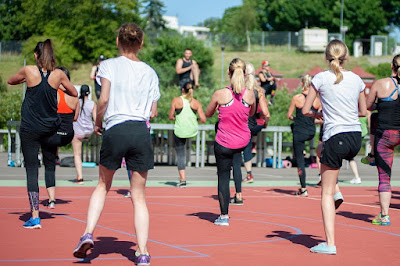
 The Power of Regular Exercise 

 
the-power-of-regular-exercise


Studies reveal that regular exercise can decrease your risk of developing heart disease by a whopping 50%! Now, that’s what I call a heart-pumping revelation!
Welcome to the gateway to vitality and well-being: regular exercise. 💪 In today’s fast-paced world, prioritizing physical activity isn’t just a luxury—it’s a necessity for a vibrant, fulfilling life.

The Physical Benefits of Regular Exercise

 
the-power-of-regular-exercise
Embrace the transformative power of regular exercise as we explore its diverse physical benefits:

Improved Cardiovascular Health

Wave goodbye to heart-related worries as regular exercise swoops in to lower your blood pressure and fortify your heart against disease. With each beat, you’re paving the way to a healthier, happier heart. ❤️

Weight Management

Bid farewell to those stubborn extra pounds and say hello to a leaner, fitter you! With the dynamic duo of calorie torching and muscle sculpting, regular exercise empowers you to conquer your weight management goals with gusto. 🏋️‍♂️

Increased Strength and Stamina

From conquering mountains to tackling everyday tasks with ease, unleash your inner powerhouse as regular exercise boosts your strength and stamina. Say hello to a life filled with vitality and vigor! 💥

Enhanced Immune System

Armored with the shield of regular exercise, fend off chronic illnesses and emerge victorious in the battle for well-being. With a bolstered immune system, you’re ready to take on whatever life throws your way. 🛡️

Improved Sleep Quality

Drift into a blissful slumber as regular exercise transforms restless nights into tranquil dreams. Experience the rejuvenating power of deep, restorative sleep and awaken refreshed, revitalized, and ready to seize the day. 😴✨

Reduced Pain

Banish discomfort and reclaim your freedom with the soothing balm of regular exercise. Whether combating arthritis or alleviating muscle tension, exercise is your trusty companion on the journey to pain-free living. 🙌

The Mental and Emotional Benefits of Regular Exercise

 
the-power-of-regular-exercise
Discover the uplifting power of regular exercise to rejuvenate your mind and spirit:

Stress Reduction

Experience the euphoria of stress melting away as exercise releases endorphins, your body’s natural mood boosters. Let the rhythmic movement soothe your soul and leave you feeling refreshed and revitalized. 🌈

Improved Mood and Reduced Anxiety

Bid farewell to the shadows of negativity as exercise becomes your ally in battling feelings of depression and anxiety. Embrace the invigorating energy of physical activity and bask in the radiant glow of positivity that follows. 🌟

Increased Self-Confidence and Self-Esteem

Stand tall and proud as regular exercise helps you feel strong, capable, and empowered. With each step, lift, and stretch, you build not only muscle but also a deep reservoir of self-assurance and self-worth. 💪

Improved Cognitive Function

Ignite your mental prowess as exercise fuels your brain with oxygen and nutrients. Experience sharper memory, heightened focus, and enhanced concentration, empowering you to tackle tasks with clarity and precision. 🧠

Sharper Mental Clarity and Focus

Ignite your inner fire and unleash your full potential with exercise-induced mental clarity and focus. Feel your productivity soar as you harness the energizing effects of physical movement to power through challenges and seize the day. 🚀
 
With regular exercise as your steadfast companion, you’ll not only transform your body but also nurture your mind and spirit, paving the way to a life filled with vitality, joy, and purpose. 

Getting Started with Regular Exercise

 
the-power-of-regular-exercise
Prepare to kickstart your fitness journey with these helpful strategies and tips:

Overcoming Common Challenges

Conquer obstacles like lack of time, motivation, or knowledge with determination and resilience. Remember, every hurdle you overcome brings you closer to your goals. 🏋️‍♂️💥

Finding the Right Exercise for You

Explore a range of activities to discover what ignites your passion and keeps you coming back for more. Whether it’s dancing, hiking, or practicing yoga, choose activities that light up your soul. 💃🌳🧘‍♀️

Setting Realistic Goals

Start slow and gradually increase intensity and duration as you progress. Celebrate each milestone along the way and stay focused on the bigger picture of your health journey. 🎯👟🏆

Importance of Consistency

Commit to regular exercise by aiming for at least 30 minutes most days of the week. Consistency is key to reaping the full benefits of physical activity and maintaining a balanced lifestyle. ⏰💪📅

Tips for Fitting Exercise into Your Routine

 
the-power-of-regular-exercise


Integrate exercise seamlessly into your daily life by incorporating short bursts throughout the day, exploring home workouts, and finding active hobbies that bring you joy and fulfillment. 🏡🚴‍♀️🎾
 
With determination, perseverance, and a sprinkle of creativity, you’ll find that making exercise a regular part of your routine is not only achievable but also incredibly rewarding. So lace up your sneakers, embrace the journey, and let’s get moving towards a healthier, happier you! 🌟🏃‍♂️🌈
As we wrap up our exploration of the incredible benefits of regular exercise, let’s recap the profound impact it can have on both your physical and mental well-being:
Regular exercise is your ticket to a healthier, happier life. 🏋️‍♂️🌟 From improving cardiovascular health and managing weight to boosting mood and reducing stress, the benefits are truly remarkable. Not to mention the increased self-confidence, sharper cognitive function, and enhanced mental clarity that come with staying active. 💪🧠
Now, it’s time to take action! Whether you’re just starting out on your fitness journey or looking to maintain your momentum, commit to incorporating regular exercise into your routine. Your body and mind will thank you for it. 🏃‍♀️💨
For additional support and guidance, check out these resources:
Workout plans 📋💪
Fitness apps 📱🏋️‍♂️
Local gyms/classes 🏢👟


Reader Success Stories

 
the-power-of-regular-exercise


Prepare to be inspired by these incredible tales of triumph and transformation, showcasing the positive impact of regular exercise:
🌟 Kavya’s Story: After years of struggling with low energy and mood swings, Kavya decided to make a change. With regular exercise as her ally, she discovered a newfound sense of vitality and joy. From morning runs to evening yoga sessions, Kavya’s commitment to fitness has not only transformed her body but also uplifted her spirit.
🌟 Rohan’s Journey: Battling with chronic pain and stress, Rohan felt trapped in a cycle of discomfort and despair. However, with the guidance of a fitness coach and a tailored exercise plan, John began to experience relief and renewal. Through consistent effort and determination, he regained strength, confidence, and a newfound zest for life.
🌟 Ritika’s Empowerment: Struggling with self-doubt and insecurity, Ritika embarked on a journey of self-discovery through regular exercise. As she pushed her limits and embraced new challenges, Emily discovered her inner strength and resilience. Today,
she stands tall and proud, a shining example of the transformative power of regular excercise .
These stories are a testament to the life-changing impact of regular exercise. From physical transformations to newfound confidence and empowerment, the benefits are undeniable. So take heart, dear reader, and know that your fitness journey holds the promise of a brighter, healthier tomorrow. 🌈💪


Thank you for your time and consideration ❤️ 🙏 

@Puja Singh…


 The Power of Regular Exercise      Studies reveal that regular exercise can decrease your risk of developing heart disease by a whopping 50%! Now, that’s what I call a heart-pumping revelation! Welcome to the gateway to vitality and well-being: regular exercise. 💪 In today’s fast-paced world, prioritizing physical activity isn’t just a luxury—it’s a necessity for a vibrant, fulfilling

 A Beginner’s Guide to Clean Eating

a-beginners-guide-to-clean-eating-and-healthy-nutrition


Clean eating is a dietary approach that emphasizes the consumption of whole, unprocessed foods. This lifestyle focuses on eating foods in their most natural state, free from added sugars, unhealthy fats, and artificial ingredients. By prioritizing whole foods, clean eating aims to enhance overall health and well-being.
 
Adopting a clean eating lifestyle offers numerous benefits, including increased energy levels, improved mood, and better overall health. Unlike fad diets that often promote rapid, unsustainable weight loss, clean eating encourages a long-term shift towards healthier eating habits.

What is Clean Eating?

 
a-beginners-guide-to-clean-eating-and-healthy-nutrition


Clean eating is a simple and health-focused approach to nutrition that emphasizes consuming whole foods and minimizing the intake of processed foods. The core idea is to eat foods in their most natural state, avoiding additives, preservatives, and artificial ingredients.
 

Difference Between Whole Foods and Processed Foods

 
Whole foods are unprocessed or minimally processed foods that retain most of their natural nutrients 🥦. Examples include fruits, vegetables, whole grains, nuts, seeds, and lean proteins like fish or chicken. On the other hand, processed foods have been altered from their natural state through methods like canning, cooking, freezing, or adding preservatives and artificial ingredients 🍔. Examples include sugary cereals, packaged snacks, ready-to-eat meals, and fast food.
 

Examples of Clean and Processed Foods

 
For easy identification, clean foods include fresh fruits and vegetables like apples and spinach 🍏🥬, whole grains like quinoa and brown rice 🍚, nuts and seeds like almonds and chia seeds 🌰, lean proteins like chicken breast and salmon 🐟, and legumes like beans and lentils 🌿. In contrast, processed foods include sugary cereals 🥣, potato chips and other packaged snacks 🥨, sodas and sugary drinks 🥤, frozen meals with additives ❄️, and fast food items like burgers and fries 🍟.

Benefits of Clean Eating

 
a-beginners-guide-to-clean-eating-and-healthy-nutrition


One of the main benefits of clean eating is increased energy levels. 🍏 Whole foods provide your body with essential nutrients and stable energy sources. Complex carbohydrates from whole grains and fiber-rich vegetables release energy slowly, avoiding spikes and crashes in blood sugar levels. Research has shown that diets rich in whole foods can improve overall energy and reduce fatigue.


Improved gut health is another significant benefit. 🌾 Whole foods, especially those rich in fiber like fruits, vegetables, and whole grains, support a healthy gut microbiome. A balanced microbiome enhances digestion and nutrient absorption, reducing symptoms of gastrointestinal disorders. Studies indicate that a diet high in fiber can promote the growth of beneficial gut bacteria.


Clean eating can also aid in weight management by reducing the intake of high-calorie, low-nutrient processed foods. 🥕 Whole foods tend to be more filling and nutrient-dense, which helps control appetite and reduce overeating. Research suggests that diets focusing on whole foods are associated with healthier body weights and lower risks of obesity.


A stronger immune system is another advantage of clean eating. 🍊 Whole foods are packed with vitamins, minerals, and antioxidants that support immune function. For instance, fruits and vegetables high in vitamin C and beta-carotene can enhance immune responses. Studies have found that a diet rich in whole, nutrient-dense foods can improve immune function and reduce the risk of infections.


Finally, clean eating can boost your mood. 🌞 Nutrient-rich diets have been linked to better mental health outcomes. Whole foods provide essential nutrients that influence brain function and mood regulation. Omega-3 fatty acids from fish, for instance, are known to reduce symptoms of depression. Research shows that diets high in fruits, vegetables, and whole grains are associated with lower risks of depression and anxiety.

Getting Started with Clean Eating (Actionable Tips)

 
a-beginners-guide-to-clean-eating-and-healthy-nutrition


Transitioning to clean eating can be simple and rewarding with a few practical steps. Here’s how you can start:
 
1.Start Small: Begin by making gradual swaps to whole foods. Replace white bread with whole grain bread, choose fresh fruit over sugary snacks, and opt for water instead of soda. Small changes can add up over time, making the transition smoother and more sustainable. 🍎
 
2.Read Food Labels: Get into the habit of reading food labels to be mindful of added sugars, sodium, and unhealthy fats. Look for short ingredient lists with recognizable items. Avoid products with artificial additives and preservatives. 📜
 
3.Plan Your Meals: Planning your meals in advance can help reduce reliance on convenience foods. Set aside time each week to prepare a meal plan, create a grocery list, and prep ingredients. This makes it easier to stick to clean eating habits. 📅
 
4.Stock Your Pantry with Clean Staples: Keep your kitchen stocked with clean eating essentials like fruits, vegetables, whole grains, and lean proteins. Having these items readily available makes it easier to prepare nutritious meals. 🥦
 
5.Cook More at Home: Cooking at home allows you to control the ingredients and portion sizes of your meals. Experiment with new recipes, and enjoy the process of preparing wholesome food. 🥘


Clean Eating Essentials (Grocery Shopping Guide)

 
a-beginners-guide-to-clean-eating-and-healthy-nutrition


To support a clean eating lifestyle, focus on including a variety of essential food groups in your diet. Here’s a guide to help you shop for clean foods:
 

1.Fruits & Vegetables

 
Aim to include a rainbow of fruits and vegetables in your diet to ensure a wide range of nutrients. Fresh, frozen, and even canned (without added sugars or salts) are good options.
Examples: Apples, berries, oranges, spinach, kale, bell peppers, broccoli, carrots. 🍎🍓🍊🥦


2.Whole Grains

 
Whole grains are less processed than refined grains and retain more nutrients and fiber. Look for whole grains in their natural form.
Examples: Brown rice, quinoa, oats, barley, whole-wheat pasta, and bread. 🍚🌾
 

3.Lean Protein

 
Protein is essential for muscle repair and growth. Choose lean sources of protein and incorporate plant-based proteins as well.
Examples: Chicken breast, turkey, fish, beans, lentils, tofu. 🍗🐟
 

4.Healthy Fats

 
Healthy fats are important for brain health and hormone production. Focus on sources of unsaturated fats.
Examples: Avocados, nuts, seeds, olive oil, and fatty fish like salmon. 🥑🌰
 

Putting It All Together

 
By focusing on these clean eating essentials and taking small, manageable steps, you can gradually transition to a cleaner, healthier diet. Remember, the goal is to create sustainable habits that support long-term health and well-being. Happy eating! 🥗🌟


Tips for Overcoming Challenges

 
a-beginners-guide-to-clean-eating-and-healthy-nutrition


Transitioning to clean eating can come with its own set of challenges, but with some strategic planning, these hurdles can be overcome. Here are some common challenges and practical solutions:
 

Cravings

 
Cravings for unhealthy foods can be one of the biggest obstacles for beginners. To combat this:
 
Healthy Snacks: Keep a variety of healthy snacks on hand, such as nuts, fruits, yogurt, or veggie sticks with hummus. This helps you avoid reaching for less nutritious options. 🥜🍇
 
Hydration: Sometimes cravings are a sign of dehydration. Drink plenty of water throughout the day to keep cravings at bay. 💧
 
Mindful Eating: Practice mindful eating by paying attention to why you crave certain foods and finding healthier alternatives. For example, if you crave something sweet, try a piece of fruit instead of candy. 🍎
 

Eating Out

 
Dining out can be challenging when trying to stick to a clean eating regimen. Here are some tips:
 
Research: Look up restaurant menus online before going out to identify clean eating options. Many restaurants offer salads, grilled proteins, and vegetable sides that align with clean eating principles. 📱🍽️
 
Modifications: Don’t hesitate to ask for modifications, such as dressing on the side, grilled instead of fried, or swapping fries for a side salad. Most restaurants are happy to accommodate dietary preferences. 🥗➡️🍟
 
Portion Control: Restaurant portions can be large, so consider sharing a dish or asking for a to-go box to save half for later. This helps manage portion sizes and reduces overeating. 📦
 

Time Management

a-beginners-guide-to-clean-eating-and-healthy-nutrition


Busy schedules can make it hard to prepare clean meals consistently. Here’s how to manage:
 
Meal Prep: Set aside time each week to prepare meals in advance. This could include chopping vegetables, cooking grains, and portioning out meals for the week. 🥙
 
Simple Recipes: Opt for simple, quick recipes that don’t require a lot of time or ingredients. Stir-fries, salads, and sheet pan dinners are great options. 🥗🍲
 
Batch Cooking: Cook larger quantities of food that can be used for multiple meals. For example, a big pot of soup or chili can be eaten throughout the week. 🍲


Clean eating offers a pathway to improved health and well-being by emphasizing whole, minimally processed foods. By gradually making small changes to your diet and lifestyle, you can reap numerous benefits such as increased energy, improved gut health, weight management, a stronger immune system, and a boosted mood.
 
Remember, transitioning to clean eating is a journey, not a race. Start where you are and make small, sustainable changes over time. By focusing on nourishing your body with wholesome foods, you can take control of your health and enjoy a more vibrant life.
 
So, whether you’re just starting out or looking to renew your commitment to clean eating, take that first step today. Your body will thank you for it! 🌱🍎🥑


Thank you for your time and consideration ❤️ 🙏..

@Puja Singh.


 A Beginner’s Guide to Clean Eating     Clean eating is a dietary approach that emphasizes the consumption of whole, unprocessed foods. This lifestyle focuses on eating foods in their most natural state, free from added sugars, unhealthy fats, and artificial ingredients. By prioritizing whole foods, clean eating aims to enhance overall health and well-being.   Adopting a clean eating

 Athens

Athens


Greetings, fellow adventurers! Prepare to be swept away by the tales of my recent escapade in Athens. Join me as I recount my exhilarating ten-day sojourn in this ancient city, set against the backdrop of the enchanting spring season.

In my forthcoming blog series, I’ll unravel the enigmatic tapestry of Athens, shedding light on its historical wonders, hidden gems, and delectable culinary scene.

Planning Your Trip to Athens


Athens

Getting There and Around

Flights: Booking flights to Athens was a breeze, especially with the plethora of options available online. I managed to find a great deal through a budget airline, keeping my travel expenses in check.
Transportation within Athens: Upon arrival, navigating Athens was a delight thanks to its well-connected metro system, efficient bus network, and abundant taxis. The city’s walkability also impressed me, allowing me to explore its nooks and crannies with ease. For convenience, I opted for a travel pass, which saved both time and money during my stay.

Where to Stay

Neighborhoods: Athens brims with diverse neighborhoods, catering to a range of preferences. Plaka, with its charming cobblestone streets and proximity to historical sites like the Acropolis, is perfect for history buffs. Meanwhile, Monastiraki offers a bustling atmosphere, ideal for nightlife enthusiasts and market-goers. Depending on your interests, each neighborhood has its own allure.
 
Accommodation Deals: Scoring a great deal on accommodation is key to maximizing your Athens experience. I recommend keeping an eye out for promotions on reputable booking platforms and considering alternative lodging options for budget-conscious travelers.

Must-See Historical Sites

Acropolis: The crown jewel of Athens, the Acropolis, stands as a testament to the city’s ancient glory. Perched atop a rocky outcrop, this iconic citadel is home to several magnificent structures, including the legendary Parthenon, the graceful Erechtheion, the monumental Propylaia , and the elegant Temple of Athena Nike. Steeped in history and mythology, a visit to the Acropolis is a journey back in time, offering unparalleled views of Athens and a glimpse into its illustrious past. To make the most of your experience, consider purchasing tickets online in advance to avoid long queues, and aim to visit early in the morning to beat the crowds and bask in the golden light of dawn.

Other Historical Sites

Ancient Agora: A bustling marketplace and civic center in ancient Athens, the Ancient Agora was the heart of Athenian life, where citizens gathered to engage in commerce, politics, and philosophy. Today, it stands as an open-air museum, showcasing well-preserved ruins, including the imposing Temple of Hephaestus and the stoa of Attalos. Wander through the ancient ruins and imagine yourself transported back to a bygone era of intellectual enlightenment and democratic ideals.
 
Roman Agora: Built during the Roman period, the Roman Agora served as a commercial and administrative hub, bustling with activity and trade. Highlights include the Tower of the Winds, an ingenious ancient clocktower adorned with intricate reliefs depicting the eight winds, and the Gate of Athena Archegetis, a grand entrance dedicated to the goddess of wisdom and warfare. Explore the remains of this once-thriving marketplace and marvel at the fusion of Roman and Greek architectural styles.


Exploring Athens


Athens
 
Museums: During my time in Athens, I had the pleasure of exploring a couple of fascinating museums that offered a deeper insight into the city’s cultural heritage. The Acropolis Museum stands out as a modern marvel, housing a remarkable collection of artifacts and sculptures from the Acropolis and its surrounding areas. Its sleek design and interactive exhibits provide a captivating journey through ancient Greek history. Another highlight was the National Archaeological Museum, home to an extensive array of treasures spanning thousands of years, from prehistoric artifacts to classical sculptures. Both museums offer an enriching experience for history enthusiasts and art aficionados alike.
 
Plaka and Monastiraki: Plaka and Monastiraki epitomize the essence of old-world Athens, with their labyrinthine streets, charming boutiques, and cozy tavernas. In Plaka, you’ll find yourself transported back in time as you meander past neoclassical buildings and quaint courtyards. It’s the perfect place to shop for souvenirs, savor traditional Greek cuisine, and soak in the romantic ambiance. Monastiraki, on the other hand, pulsates with energy, thanks to its bustling markets, vibrant squares, and eclectic mix of street performers. Here, you can haggle for trinkets at the flea market, sample street food delicacies, and revel in the vibrant street art scene.
 
Views of Athens: For breathtaking panoramic views of Athens, head to Lycabettus Hill, the city’s highest point. A scenic hike or a leisurely ride on the funicular will take you to the summit, where you’ll be rewarded with sweeping vistas of the sprawling city below, framed by the majestic Acropolis and the azure Aegean Sea. Alternatively, Filopappou Hill offers a tranquil retreat amidst ancient ruins and verdant landscapes, with stunning views of the Acropolis and beyond. Whether you visit at sunrise or sunset, these vantage points offer a mesmerizing perspective of Athens’ timeless beauty.


Athens Food Scene

 
Athens
 
 
Greek Food 101: No visit to Athens would be complete without indulging in its delectable culinary offerings. From the savory goodness of souvlaki and the comforting layers of moussaka to the irresistible flavors of gyro wraps and the zesty freshness of Greek salads, Greek cuisine is a feast for the senses. Be sure to sample local specialties like spanakopita (spinach pie), feta cheese drizzled with honey, and loukoumades (honey-soaked doughnuts) for a true taste of Greece.
 
Restaurant Recommendations: During my culinary adventures in Athens, I stumbled upon a couple of hidden gems that left a lasting impression. For a taste of traditional Greek hospitality and homestyle cooking, I highly recommend Taverna Plaka in the heart of the Plaka neighborhood. With its cozy ambiance and mouthwatering dishes, it’s the perfect spot to enjoy an authentic Greek meal. For a more upscale dining experience, head to Funky Gourmet, a Michelin-starred restaurant renowned for its innovative cuisine and artistic presentations. Whether you’re craving classic comfort food or avant-garde creations, Athens has no shortage of dining options to satisfy every palate and budget.
 
Local Food Markets: To immerse yourself in Athens’ vibrant food culture, pay a visit to the bustling Varvakios Agora, the city’s largest and most vibrant food market. Here, you’ll find an abundance of fresh produce, fragrant herbs and spices, and a colorful array of local delicacies, from olives and cheeses to cured meats and seafood. Lose yourself in the maze of stalls, chat with friendly vendors, and sample some of the finest flavors that Athens has to offer.

Unique Experiences

 
Athens
 
During my time in Athens, I had the opportunity to engage in some truly unique experiences that added an extra layer of depth to my trip. One standout adventure was participating in a Greek cooking class. Under the expert guidance of a local chef, I delved into the intricacies of Greek cuisine, learning to craft traditional dishes like spanakopita, tzatziki, and moussaka from scratch. It was a hands-on culinary journey that not only delighted my taste buds but also provided valuable insight into Greece’s rich culinary heritage.
Another unexpected delight was exploring Athens’ burgeoning street art scene. As I wandered through the city’s neighborhoods, I was captivated by the vibrant murals, graffiti tags, and thought-provoking installations adorning its walls. Each piece seemed to tell a story, offering a glimpse into Athens’ contemporary culture and urban landscape. Venturing off the beaten path to seek out these hidden gems was a rewarding experience that added an extra dimension to my exploration of the city.


 My time in Athens was a captivating blend of history, culture, and culinary delights. From the awe-inspiring monuments of antiquity to the unexpected charms of modern-day Athens, the city offered a rich tapestry of experiences that left an indelible mark on my soul. What surprised me the most was the city’s ability to seamlessly meld its ancient heritage with a vibrant contemporary energy, creating a dynamic and eclectic atmosphere unlike any other. For future visitors, I wholeheartedly recommend embracing the unexpected, venturing off the beaten path, and allowing Athens’ magic to unfold in all its glory.


Thank you for your time and consideration ❤️🙏…

@Puja Singh…


 Athens     Greetings, fellow adventurers! Prepare to be swept away by the tales of my recent escapade in Athens. Join me as I recount my exhilarating ten-day sojourn in this ancient city, set against the backdrop of the enchanting spring season. In my forthcoming blog series, I’ll unravel the enigmatic tapestry of Athens, shedding light on its historical wonders,


 Oshino Hakkai

 
oshino-hakkai


Hello there! Welcome to my blog  I’m thrilled to share my experiences and adventures with you. , I had the pleasure of visiting Oshino Hakkai, a charming gem nestled near the majestic Mount Fuji in Japan. The allure of its pristine natural beauty and serene atmosphere drew Recently me in, making it a must-visit destination on my travel list.

 
Oshino Hakkai is a picturesque village located in the Fuji Five Lakes region, just a stone’s throw away from the iconic Mount Fuji. This quaint hamlet is renowned for its crystal-clear spring water ponds, which are fed by the snowmelt from Mount Fuji. The name “Hakkai” means “eight seas,” referring to the eight ponds that dot the landscape, each with its own unique charm and mythology.


Planning Your Trip to Oshino Hakkai


oshino-hakkai


From major cities like Tokyo, reaching Oshino Hakkai is convenient and straightforward. Travelers can opt for various transportation options, including trains and buses. The most popular route is to take a train from Tokyo to nearby stations like Kawaguchiko or Fujisan, and then transfer to a bus bound for Oshino Hakkai. Alternatively, rental cars provide flexibility for those who prefer to drive.
 
Within Oshino Hakkai, getting around is relatively easy. While the village is small enough to explore on foot, there are also local buses available for transportation between attractions. Additionally, rental bicycles offer a delightful way to leisurely explore the surrounding countryside and immerse oneself in the tranquil ambiance.
 
Oshino Hakkai offers a range of accommodations to suit different preferences and budgets. Traditional ryokans provide an authentic Japanese experience with tatami mat rooms, futon bedding, and soothing hot spring baths. For those seeking a more modern stay, guesthouses and hotels offer comfortable amenities and convenient access to the village’s attractions.
 
The best time to visit Oshino Hakkai depends on personal preferences and interests. Spring, particularly from late April to early June, is ideal for witnessing the blooming cherry blossoms and vibrant foliage, creating a picturesque backdrop for exploration.
 
Additionally, autumn, from late September to early November, offers breathtaking views of fall foliage, painting the landscape in hues of red, orange, and gold. However, visitors should be mindful of peak tourist seasons and plan accordingly to avoid crowds and secure accommodations in advance.


Exploring Oshino Hakkai


oshino-hakkai


The eight ponds of Oshino Hakkai are each uniquely enchanting, offering visitors a glimpse into the natural beauty and purity of the area. Tamadare Pond is renowned for its crystal-clear water, which reflects the surrounding greenery like a mirror. Visitors can also marvel at the vibrant blue hues of Waku Pond or the tranquil ambiance of Nigori Pond. Activities around the ponds include boating, where you can leisurely paddle across the serene waters, and tasting the delicious spring water, which is renowned for its purity and refreshing taste.
 
Stepping into Oshino Hakkai Village feels like entering a bygone era, with its traditional Japanese architecture and tranquil atmosphere. Strolling through the village streets, visitors can admire the charming thatched-roof houses and lush gardens, immersing themselves in the serene ambiance of rural Japan. The village also offers various attractions, including museums showcasing local history and culture, and shops selling handmade crafts and souvenirs crafted by local artisans.
 
Oshino Hakkai is blessed with stunning views of Mount Fuji on clear days, offering visitors the opportunity to capture iconic photographs of Japan’s highest peak. Some of the best spots to admire Mount Fuji include the observation decks around the village and the shores of the ponds, where the majestic mountain serves as a breathtaking backdrop to the tranquil waters.
 
For travelers with additional time to explore the surrounding area, nearby attractions include the Fuji Five Lakes, a series of picturesque lakes offering a variety of outdoor activities such as hiking, boating, and hot spring baths. Additionally, the Iyashi no Sato traditional village provides a fascinating glimpse into Japan’s rural heritage, with its restored thatched-roof houses and workshops showcasing traditional crafts.


Tips for Travelers


oshino-hakkai


When visiting temples or other religious sites in Japan, it’s advisable to dress modestly and remove your shoes before entering sacred spaces. Japanese Yen is the currency used in Japan, and ATMs are widely available in major cities and tourist areas. However, it’s always a good idea to carry some cash for smaller establishments that may not accept credit cards.


My journey to Oshino Hakkai was nothing short of enchanting, leaving an indelible mark on my heart and mind. The tranquil beauty of the eight crystal-clear ponds, set against the backdrop of Mount Fuji’s majestic silhouette, left me in awe of nature’s wonders. Exploring the traditional village atmosphere, with its thatched-roof houses and winding streets, felt like stepping into a bygone era, steeped in history and culture.


What impressed me the most about Oshino Hakkai was the harmonious blend of natural beauty and cultural heritage. From the serene ponds reflecting the changing seasons to the quaint village streets lined with traditional shops and eateries, every corner of Oshino Hakkai exuded a sense of tranquility and charm that is truly unforgettable.


Thank you for joining me on this virtual tour of Oshino Hakkai. I hope my experiences and insights have inspired you to embark on your own adventure and discover the wonders of this hidden gem in Japan’s countryside. Until next time, happy travels😊!


Thank you for your time and consideration ❤️🙏…

@Puja Singh 🤓…


   Oshino Hakkai     Hello there! Welcome to my blog  I’m thrilled to share my experiences and adventures with you. , I had the pleasure of visiting Oshino Hakkai, a charming gem nestled near the majestic Mount Fuji in Japan. The allure of its pristine natural beauty and serene atmosphere drew Recently me in, making it a must-visit destination