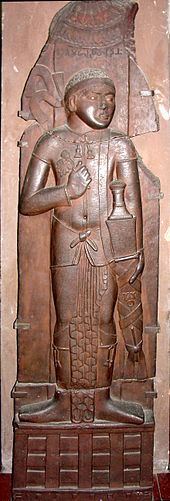
India’s history is a captivating narrative woven by a myriad of dynasties that have left an indelible mark on its cultural, social, and political landscape. From ancient times to the medieval era, these dynasties have shaped the destiny of the subcontinent, their legacies echoing in the architectural marvels, artistic achievements, and socio-political structures that endure to this day.
The historical canvas of India is colored by numerous dynasties, including the Mauryas, Guptas, Cholas, and Pallavas. Each dynasty played a pivotal role in shaping the cultural and political trajectory of the subcontinent. Their impact is evident in the architectural wonders, artistic accomplishments, and socio-political structures that have stood the test of time.
The Chalukya Dynasty, spanning from the 6th to the 12th century in the Deccan region, holds a special place in Indian history. Renowned for their patronage of art and literature, the Chalukyas fostered a cultural renaissance. Their architectural prowess, exemplified in structures like the Badami Cave Temples and the Aihole complex, and contributions to literature underscore the dynasty’s lasting impact on Southern India.
This blog aims to unravel the ancient roots of Indian civilization by delving into the stories of the dynasties that shaped its course. Through an exploration of their triumphs, challenges, and enduring legacies, we seek to gain a deeper understanding of the socio-cultural dynamics, technological advancements, and artistic achievements that have molded the Indian subcontinent.
Origins
The roots of the Chalukya Dynasty can be traced back to the 6th century in the Deccan region of India. Pulakeshin I, a charismatic and ambitious ruler, is credited with founding the dynasty. The Chalukyas initially established their capital in Aihole and later moved it to Badami, a strategic location amidst the rugged terrain. This move marked the beginning of a dynasty that would significantly shape the cultural and political landscape of Southern India.
In its early years, the Chalukya Dynasty faced challenges from neighboring kingdoms, particularly the Pallavas to the east. However, through strategic alliances, military prowess, and adept governance, the Chalukyas not only withstood these challenges but also expanded their territorial influence.
The ascendancy of the Chalukya Dynasty was characterized by the leadership of key figures who played pivotal roles in shaping its trajectory. Pulakeshin II, the son of Pulakeshin I, stands out as one of the most illustrious rulers. His reign marked a golden era for the dynasty, witnessing territorial expansions and cultural flourishing. Pulakeshin II’s military victories against the Pallavas, particularly the Battle of Vatapi, showcased the military might of the Chalukyas.
Another notable figure is Vikramaditya I, who further strengthened the dynasty’s rule. His patronage of art, literature, and architecture left an indelible mark, as seen in the construction of the iconic Virupaksha Temple in Pattadakal.
To understand the rise of the Chalukya Dynasty, it is crucial to consider the historical context of Ancient India during their era. This period witnessed a complex interplay of regional powers, with various dynasties vying for supremacy. The Gupta Empire had declined, creating a power vacuum in the north, while the Pallavas in the south and the Chalukyas in the Deccan engaged in territorial conflicts.
Economically, trade flourished, and cultural exchanges with Southeast Asia were on the rise. This era saw the synthesis of various cultural elements, contributing to the diverse and rich tapestry of Indian civilization. The Chalukyas, with their patronage of arts and literature, played a crucial role in this cultural renaissance.
Chalukya Dynasty’s Administrative Structure:
The Chalukya Dynasty, known for its administrative acumen, established a structured governance system that contributed to the stability and prosperity of their realm. The empire’s administrative structure was divided into hierarchical units, with the king at the apex. The kingdom was further subdivided into provinces, each governed by a viceroy or a regional administrator.
Local governance was facilitated through a network of village councils, known as “Sabhas” or “Mahajanas.” These councils played a crucial role in managing local affairs, ensuring effective communication between the rulers and the populace. The administrative machinery also included officials responsible for revenue collection, law and order, and other essential functions.
Rulers and their Contributions:
The Chalukya Dynasty witnessed the rule of several notable monarchs, each leaving a lasting impact on the political and cultural landscape of Southern India.
*Pulakeshin II: Renowned for his military prowess, Pulakeshin II played a pivotal role in expanding the Chalukya Empire. His victory in the Battle of Vatapi against the Pallavas solidified the dynasty’s dominance in the Deccan region. Pulakeshin II’s patronage of arts and literature also contributed to the cultural renaissance during his reign.
*Vikramaditya II: Under Vikramaditya II’s rule, the Chalukya Empire reached its zenith. His patronage of art and architecture, exemplified by the construction of the Virupaksha Temple in Pattadakal, showcased the dynasty’s cultural achievements. Vikramaditya II’s reign is often considered a golden era for the Chalukyas.
Interactions with Contemporary Kingdoms and Empires:
The Chalukya Dynasty was actively engaged in diplomatic and military interactions with contemporary kingdoms and empires, shaping the geopolitical landscape of Ancient India.
Pallavas: The Chalukyas had significant interactions with the Pallava Dynasty, marked by both alliances and conflicts. The Battle of Vatapi, where Pulakeshin II defeated the Pallavas, underscored the military strength of the Chalukyas. Despite occasional hostilities, cultural exchanges also took place between the two dynasties.
Rashtrakutas: The Chalukyas faced rivalry with the emerging Rashtrakuta Dynasty. The geopolitical dynamics often led to territorial conflicts between the two powers. However, diplomatic ties were occasionally established through matrimonial alliances, showcasing the intricate balance of power in the Deccan region.
Eastern Chalukyas: The Chalukyas maintained diplomatic relations with the Eastern Chalukya Dynasty, which ruled over the eastern Deccan. While territorial disputes occasionally arose, cultural and economic exchanges flourished between the two dynasties.
Chalukya Architecture and Art:
The Chalukya Dynasty, known for its rich cultural patronage, left an enduring legacy in Indian architecture. Their distinct architectural styles evolved through three major phases: the Badami Chalukyas, the Western Chalukyas, and the later Chalukyas of Kalyani. The Badami Chalukyas, with their capital at Badami, excelled in rock-cut architecture, as seen in the intricate carvings of the Badami Cave Temples. The Western Chalukyas, centered around Kalyani, further refined their style, experimenting with diverse materials like soapstone. This evolution in style is a testament to the Chalukyas’ innovative approach to architectural design.
The Chalukyas left an indelible mark with the construction of iconic temples and monuments. The Badami Cave Temples, carved into sandstone cliffs, showcase a unique fusion of Dravidian and Nagara architectural styles. The Virupaksha Temple in Pattadakal, built by Vikramaditya II, is a UNESCO World Heritage site and a masterpiece that reflects the cultural synthesis of the Chalukya era. Additionally, the Kailasanatha Temple in Kanchipuram, although not directly built by the Chalukyas, bears their influence, illustrating the cross-cultural exchanges prevalent during the time.
The Chalukya Dynasty’s architectural and artistic innovations had a profound and lasting impact on the broader landscape of Indian art and architecture. Their experimentation with temple layouts, intricate carvings, and the fusion of diverse architectural styles influenced subsequent dynasties. The Hoysala and Vijayanagara empires drew inspiration from Chalukya,s aesthetics, contributing to the continuum of South Indian temple architecture.
The Chalukya,s style, characterized by detailed sculptures, mandapas (hallways), and elaborate entranceways, set a precedent for future architectural endeavors. The legacy of the Chalukyas extends beyond their rule, as their temples and monuments continue to inspire awe and admiration. Their contribution remains an integral part of India’s architectural heritage, reflecting a bygone era of creative brilliance and cultural synthesis.
Economic Prosperity and Trade of the Chalukya Dynasty:
The Chalukya Dynasty played a pivotal role in shaping the economic landscape of Ancient India, contributing to a period of economic prosperity and growth. The dynasty’s rulers implemented policies that fostered agricultural development, trade, and commerce, laying the foundation for a thriving economy.
One of the key aspects of the Chalukya,s economic policy was the encouragement of agricultural activities. The fertile Deccan region under their control witnessed the construction of irrigation systems, such as tanks and canals, which facilitated increased agricultural productivity. This focus on agriculture not only ensured food security but also contributed to surplus production for trade.
The Chalukyas actively participated in regional and international trade, capitalizing on their strategic geographic location in the Deccan. The kingdom’s proximity to key trade routes, connecting the northern and southern parts of India, facilitated robust economic exchanges.
Trade routes passing through the Chalukya territories connected the Deccan with regions like Gujarat, the western coast, and even Southeast Asia. The bustling trade centers of the Chalukya,s empire, such as Aihole and Badami, became hubs for commercial activities. The availability of various commodities, including spices, textiles, and precious stones, made the Chalukya,s kingdom a significant player in the trade networks of the time.
The economic achievements of the Chalukyas were further enhanced by their patronage of art and architecture. The construction of temples, monuments, and other architectural marvels not only showcased the dynasty’s cultural richness but also contributed to a flourishing economy. The artisans, sculptors, and laborers employed in these projects stimulated local economies and created a ripple effect of economic growth.
The Chalukya Dynasty’s economic policies and trade activities had a profound impact on the socioeconomic fabric of Ancient India. The increased agricultural output led to population growth and urbanization, creating vibrant centers of commerce and culture.
The prosperity generated by trade and economic activities translated into the patronage of art, literature, and education. The Chalukya,s era witnessed a cultural renaissance, with the dynasty becoming a patron of the arts. Temples and monuments constructed during this period not only reflected religious fervor but also served as centers of economic activity, attracting pilgrims and traders alike.
The socioeconomic impact of the Chalukya Dynasty extended to social structures as well. The economic prosperity contributed to the emergence of a prosperous merchant class, adding to the diversity of societal roles. The dynasty’s support for education and the arts further enriched the intellectual and cultural landscape of the region.
The Chalukya Dynasty’s role in shaping the economic landscape, active participation in trade, and socioeconomic impact contributed to a period of prosperity and cultural flourishing in Ancient India. Their legacy as patrons of both economic and cultural endeavors remains a testament to the interconnectedness of economic vitality and the vibrancy of a civilization.
Decline and Legacy of the Chalukya Dynasty:
The decline of the Chalukya Dynasty resulted from a combination of internal strife and external pressures. Internal conflicts, including succession disputes and power struggles within the Chalukyan family, weakened the dynasty’s unity. The emergence of the Western Chalukyas of Kalyani as a separate branch further divided the territories, while external threats from the Chola, Hoysala, and Kalachuri dynasties added to the dynasty’s challenges. Continuous conflicts and invasions led to a decline in both military and economic strength, ultimately contributing to the fall of the once-mighty Chalukya Empire.
Despite the decline, the Chalukya Dynasty left a lasting impact on subsequent dynasties. The Western Chalukyas of Kalyani continued certain cultural and artistic traditions of their predecessors. The intricate carvings, temple architecture, and cultural patronage characteristic of the Chalukyan era persisted in the Deccan region. The Hoysala and Vijayanagara empires that succeeded the Chalukyas drew inspiration from their architectural styles, with the Virupaksha Temple in Pattadakal serving as a model for later temple construction. This architectural influence became an integral part of the broader South Indian temple architecture, highlighting the enduring impact of the Chalukya,s legacy.
In modern times, efforts have been made to preserve the Chalukya,s heritage through the conservation and restoration of their temples and monuments. The Badami Cave Temples, the Virupaksha Temple, and other Chalukya,s structures continue to attract visitors, providing insights into the cultural richness of the era. Archaeological departments, heritage organizations, and educational initiatives contribute to the documentation and promotion of Chalukya,s heritage. The preservation of these sites not only serves as a tribute to the historical significance of the Chalukya Dynasty but also plays a crucial role in promoting tourism and cultural awareness, ensuring that the legacy of the Chalukyas is cherished and passed on to future generations.
Thank you for your concern and valuable time 🙏…
@Puja Singh…
Chalukya Dynasty India’s history is a captivating narrative woven by a myriad of dynasties that have left an indelible mark on its cultural, social, and political landscape. From ancient times to the medieval era, these dynasties have shaped the destiny of the subcontinent, their legacies echoing in the architectural marvels, artistic achievements, and socio-political structures that endure to this
The Pallava Dynasty, which flourished from the 3rd to the 9th century CE, holds a significant place in South Indian history. Emerging during a period of political transition following the decline of the Satavahanas and the Kalabhras, the Pallavas established their dominance in parts of present-day Tamil Nadu and Andhra Pradesh. Simhavishnu, considered the dynasty’s founder, initiated the Pallava era in the 3rd century CE, and the capital was initially established at Kanchipuram.
The Pallavas left an indelible mark on Indian history through their cultural and artistic contributions. Renowned for their patronage of art, literature, and architecture, the Pallava rulers fostered the development of Dravidian architecture. The rock-cut temples at Mamallapuram, including the Shore Temple and the Five Rathas, stand as testament to their exceptional craftsmanship. Moreover, the Pallavas played a crucial role in the spread of Hinduism and Jainism in the region, with their monuments often depicting scenes from Hindu mythology.
Notable Pallava Dynasty rulers, such as Mahendravarman I and Narasimhavarman II, were not only military leaders but also scholars and poets. Mahendravarman himself composed works in both Sanskrit and Tamil. The Pallavas were significant players in maritime trade, controlling trade routes and extending their influence beyond the Deccan region. However, by the 9th century, the Pallava Dynasty began to decline, paving the way for the rise of the Cholas as a dominant force in South India. Despite their eventual decline, the Pallavas’ legacy endures through their architectural marvels and contributions to the cultural and literary heritage of the region.
Founding of the Pallava Dynasty:
The Pallava Dynasty traces its roots to the 3rd century CE, with Simhavishnu being recognized as the founder. Simhavishnu is credited with establishing the Pallava era and laying the foundation for a dynasty that would significantly shape the history and culture of South India. The circumstances surrounding the establishment of the Pallava Dynasty are not fully clear, but it emerged during a period of political flux following the decline of earlier dynasties like the Satavahanas and the Kalabhras.
Geographical Roots and Initial Territories:
The Pallavas had their early stronghold in the region of Tondaimandalam, with Kanchipuram as their initial capital. Tondaimandalam, corresponding to present-day northern Tamil Nadu, served as the nucleus of Pallava power. Over time, the Pallavas expanded their influence southward, encompassing territories in the Coromandel Coast. The strategic location of their territories allowed the Pallavas to engage in maritime trade and exert influence over key trade routes.
Early Rulers and Their Contributions:
Several early Pallava rulers played pivotal roles in shaping the dynasty’s identity and contributions. Simhavishnu, the founder, established a stable political foundation. His successors, such as Mahendravarman I, contributed significantly to the cultural and intellectual landscape. Mahendravarman I was not only a military leader but also a notable poet, leaving behind Sanskrit and Tamil literary works. The Pallava rulers, including Mahendravarman I and his son Narasimhavarman II, were patrons of art and architecture. Their contributions are evident in the magnificent rock-cut temples at Mamallapuram, showcasing the early development of Dravidian architectural styles.
The early Pallava period witnessed the consolidation of power, the establishment of a cultural legacy, and the laying of the groundwork for future achievements. These rulers set the stage for the golden era of the Pallava Dynasty, characterized by flourishing art, literature, and maritime influence in South India.
Pallava Art and Culture
Pallava art and architecture represent a pinnacle of creativity and craftsmanship in South Indian history. The Pallavas were avid patrons of the arts, and their architectural marvels, characterized by intricate carvings and unique styles, continue to captivate enthusiasts and historians alike. The Pallava period, particularly during the reigns of rulers like Mahendravarman I and Narasimhavarman II, witnessed a flourishing of artistic endeavors that left an enduring legacy in the cultural landscape of the region.
The Mamallapuram (Mahabalipuram)
The Mamallapuram complex, also known as Mahabalipuram, stands as one of the most iconic achievements of Pallava architecture. This coastal town is adorned with a group of monolithic rock-cut temples and sculptures, primarily built during the 7th and 8th centuries. The Shore Temple, a UNESCO World Heritage Site, is a prominent structure within the complex, showcasing intricate carvings and depictions of various Hindu deities. The Five Rathas, a set of five monolithic temple structures, also contribute to the grandeur of Mamallapuram, reflecting diverse architectural styles and influences.
Cave Temples and Rock-Cut Architecture:
Pallava architects excelled in rock-cut architecture, evident in the creation of cave temples hewn out of solid rock. The Pancha Rathas, part of the Mamallapuram complex, exemplify this technique. Each of the five Rathas represents a distinct architectural style, resembling chariots carved from single rock formations. Additionally, the Varaha Cave Temple and the Mahishasuramardini Cave Temple at Mamallapuram showcase intricate reliefs and sculptures depicting mythological narratives.
Influence on South Indian Temple Architecture:
The Pallava architectural style significantly influenced subsequent developments in South Indian temple architecture. The Dravidian style, characterized by pyramid-shaped towers (vimanas), intricately carved pillars, and elaborate sculptures, has its roots in Pallava craftsmanship. The Kailasanatha Temple in Kanchipuram, constructed by Rajasimha (Narasimhavarman II), is a notable example of a structural temple that reflects the evolving Dravidian architectural style.
Pallava art and architecture represent a zenith of creativity and technical prowess in South India. The Mamallapuram complex, with its rock-cut temples and sculptures, remains a testament to the enduring legacy of the Pallavas in shaping the cultural and architectural heritage of the region. The influence of Pallava craftsmanship can be traced in subsequent developments, marking a crucial chapter in the evolution of South Indian temple architecture.
Society and Governance
The Pallava society exhibited a hierarchical social structure typical of ancient Indian civilizations. At the top of the social hierarchy were the rulers, followed by the warrior class (Kshatriyas), priests and scholars (Brahmins), merchants and landowners (Vaishyas), and laborers and artisans (Shudras). The Brahmins played a significant role in religious and cultural affairs, contributing to the development of literature and learning during the Pallava period.
The society was also influenced by religious diversity, with both Hinduism and Jainism finding patronage among different PallavaDynasty rulers. This religious tolerance contributed to a pluralistic social fabric.
Economic Foundations and Trade Relations:
The economic foundations of Pallava society were firmly rooted in agriculture, trade, and maritime activities. The fertile plains of Tondaimandalam, the Pallava heartland, supported agriculture, and the control over the Coromandel Coast facilitated maritime trade. The Pallavas were actively involved in trade, both overland and through sea routes, connecting the Indian subcontinent with Southeast Asia.
The port city of Mamallapuram, strategically located along the coast, emerged as a thriving center for maritime trade. The Pallavas’ control over trade routes contributed to their economic prosperity and played a crucial role in the spread of their cultural influence beyond the Indian subcontinent.
Administrative and Political Systems:
The Pallava administrative and political systems were characterized by a monarchy, where the king held supreme authority. The king was supported by a bureaucracy that helped in the administration of the kingdom. The administrative divisions included provinces and districts, each governed by appointed officials.
The inscriptions of the Pallava rulers provide insights into their administrative policies and achievements. The practice of granting land and revenue exemptions to religious institutions, especially Brahminical establishments, was a common feature. The administrative setup also involved military officials and regional governors who played key roles in maintaining law and order.
Military prowess was a crucial aspect of Pallava governance, and successful military campaigns often contributed to the expansion of their territories. However, the Pallavas also recognized the importance of cultural and intellectual pursuits, and several rulers were not only skilled warriors but also patrons of art, literature, and learning.
Pallava society was organized hierarchically, with a strong emphasis on agriculture, trade, and maritime activities. The administrative and political systems were centered around a monarchy, with an efficient bureaucracy managing the affairs of the kingdom. The Pallavas‘ economic prosperity and cultural achievements were closely tied to their control over trade routes and their patronage of art and learning.
Chola-Pallava Conflict
The Chola-Pallava Dynasty conflict, a prominent episode in South Indian history, unfolded during the later years of the Pallava Dynasty, primarily in the 9th and 10th centuries. This intense rivalry centered around the competition for control over the fertile territories of Tamil Nadu and surrounding regions. The Battle of Takkolam in 949 CE marked a significant clash, resulting in a Chola victory and a consequential weakening of Pallava power.
One of the key turning points in the Chola-Pallava conflict occurred under the reigns of Chola kings Rajaraja Chola Iand his son Rajendra Chola I. In 985 CE, Rajaraja Chola I captured Kanchipuram, the Pallava capital, decisively shifting the balance of power in favor of the Cholas. Rajendra Chola I continued the Chola expansion by undertaking successful military campaigns, consolidating Chola dominance in the region.
The annihilation of the Pallava Dynasty was finalized in the late 10th century, symbolized by the capture of Kanchipuram by Rajaraja Chola I. The defeat of the Pallavas not only resulted in the absorption of their territories by the Cholas but also marked the end of Pallava rule and their political significance in South India.
The impact of the Chola-Pallava conflict was profound, reshaping the political landscape of the region. The decline of the Pallava Dynasty paved the way for the Cholas to emerge as the dominant force, setting the stage for the remarkable achievements of the Chola Dynasty in military conquests, economic prosperity, and cultural patronage. The conflict serves as a crucial chapter in South Indian history, illustrating the dynamic nature of political power and the transformative effects of regional rivalries.
Narasimhavarman I
Narasimhavarman I, also known as Mamalla (Great Wrestler), was a prominent ruler of the Pallava Dynasty who ascended to the throne around 630 CE. His reign is marked by significant military accomplishments, territorial expansion, and cultural patronage. Narasimhavarman I was the son of King Mahendravarman I and is considered one of the most illustrious Pallava monarchs.
Narasimhavarman I’s reign witnessed a period of extensive military campaigns and territorial expansion. One of his most notable achievements was the successful military campaign against the Chalukyas, a rival dynasty in the Deccan. The decisive victory over the Chalukyas is commemorated in the famous inscription on the rock-cut relief of Mamallapuram (Mahabalipuram), known as “Arjuna’s Penance” or “Descent of the Ganges.” This inscription provides insights into Narasimhavarman I’s military prowess and the grandeur of his achievements.
The Pallava Empire, under Narasimhavarman I, expanded its influence both northwards and southwards, consolidating control over a significant part of the Deccan. His military successes enhanced the power and prestige of the Pallavas during this period.
Narasimhavarman I’s reign also witnessed a cultural renaissance, with significant patronage of art and architecture. The Mamallapuram complex, a UNESCO World Heritage Site, stands as a testament to the cultural flourishing during this period. The Shore Temple, one of the prominent structures in Mamallapuram, reflects the architectural prowess of the Pallavas and their commitment to Dravidian temple art.
The rock-cut monuments and cave temples at Mamallapuram, including the famous Rathas (chariot-shaped temples), showcase the innovative architectural styles and intricate carvings that characterized Pallava art during Narasimhavarman I’s rule. These structures are exemplary in their depiction of Hindu mythology, with elaborate reliefs and sculptures adorning the rock surfaces.
Narasimhavarman I’s reign marked a significant chapter in Pallava history, characterized by military successes, territorial expansion, and a flourishing of art and culture. His legacy endures through the architectural marvels at Mamallapuram and the cultural achievements that have left an indelible mark on the history of the Pallava Dynasty.
Decline and Successors
The decline of the Pallava Dynasty can be attributed to a confluence of factors that gradually eroded their influence. The aggressive expansion of the Chola Dynasty, particularly under Rajaraja Chola I and Rajendra Chola I, played a pivotal role. The Cholas’ capture of Kanchipuram in 985 CE marked a significant turning point, diminishing Pallava power and contributing to their decline. Internal strife, including succession disputes and internal rivalries, further weakened the stability of the Pallava Dynasty. Additionally, the emergence of new dynasties in different regions, such as the Cholas in Tamil Nadu and the Chalukyas in the Deccan, presented challenges to Pallava dominance.
The immediate successors of the Pallavas are not well-documented, but it is known that the Cholas absorbed elements of PallavaDynasty administration and culture into their own empire. The Chola rule continued to flourish in South India, building upon the territorial gains made during the Chola-Pallava conflict. Subsequent Chola kings contributed to the expansion of their influence, leaving a lasting impact on the political and cultural landscape.
The Pallavas‘ legacy endured through their profound contributions to art, architecture, and literature, influencing later South Indian dynasties. The distinctive Dravidian architectural style, characterized by pyramid-shaped towers and intricate sculptures, originated during the Pallava period and continued to evolve in subsequent dynasties. The Cholas, as successors, were great patrons of art and architecture, contributing to the further development of the Dravidian style. The PallavaDynasty legacy extended to the Vijayanagara Empire in later centuries, where Dravidian architectural elements continued to flourish. The enduring impact of Pallava Dynasty art and culture is evident in numerous temples and monuments across South India, showcasing the lasting imprint of the Pallavas on the region’s artistic landscape.
Recommended Books, Articles, and Documentaries:
Books:
1…”Pallava Antiquities – 3 Volumes” by K. R. Srinivasan
2.”The Pallavas” by K.R. Subramanian
3.”South India and Her Muhammadan Invaders” by S. Krishnaswami Aiyangar
.Documentaries:
1.”Lost Worlds: The Story of Archaeology” (Episode: “India”) – This documentary series explores archaeological sites in India, including those related to the Pallava Dynasty.
2.”Mamallapuram: Temples of Stone” – A documentary that delves into the architectural marvels of Mamallapuram, showcasing the Pallava influence.
The Pallava Dynasty The Pallava Dynasty, which flourished from the 3rd to the 9th century CE, holds a significant place in South Indian history. Emerging during a period of political transition following the decline of the Satavahanas and the Kalabhras, the Pallavas established their dominance in parts of present-day Tamil Nadu and Andhra Pradesh. Simhavishnu, considered the dynasty’s founder,
The Chera Dynasty was one of the ancient dynasties that ruled parts of present-day southern India, particularly the modern states of Kerala and Tamil Nadu. The dynasty is believed to have existed from around the 4th century BCE to the 12th century CE. The Cheras, along with the Cholas and Pandyas, were prominent among the three major Tamil dynasties of the time.
Historical Context: The Chera Dynasty thrived in the region known as Tamilakam, which covered parts of southern India. The historical context of the Chera Dynasty is intertwined with the broader history of South India. The region had a rich cultural and trade history, engaging in maritime trade with various ancient civilizations, including the Roman Empire. The Cheras were involved in the trade of spices, precious stones, and other commodities, contributing to the prosperity of the region.
The early Chera rulers established their dominance over the Malabar Coast and parts of present-day Kerala. The political landscape of the time was characterized by a series of small, independent kingdoms, and the Cheras were able to assert their influence and control over trade routes and ports.
Significance:
Trade and Commerce: The Cheras played a crucial role in the ancient Indian Ocean trade network, particularly with the Roman Empire and other distant regions. Muziris (modern-day Kodungallur) was a significant port city under Chera control and a hub for international trade.
Cultural Contributions: The Cheras, like other Tamil dynasties, made substantial contributions to literature and art. Tamil poetry, known as Sangam literature, flourished during their rule. These literary works provide insights into the social, economic, and cultural aspects of Chera society.
Maritime Power: The Cheras were known for their maritime activities and had a strong navy. Their control over key ports allowed them to dominate trade routes and establish diplomatic ties with foreign powers.
Dynastic Decline: Over time, the Chera Dynasty faced internal conflicts and external invasions, leading to its decline. By the 12th century, the Cheras lost their prominence, and the region witnessed the rise of new powers.
Origin
The origins of the Chera Dynasty are shrouded in myths and legends. According to ancient Tamil literature and traditions, the Cheras claimed a divine origin. One popular myth associates the Chera rulers with the sage Agastya, an important figure in Hindu mythology. The Cheras are said to be descended from Agastya, emphasizing their prestigious lineage.
Another legend connects the Cheras to the lunar dynasty (Chandravansha), tracing their ancestry to the Puranic accounts of the Mahabharata and the Ramayana. These myths, while lacking historical accuracy, played a significant role in establishing the legitimacy and divine authority of the Chera rulers.
Early Rulers and Their Contributions:
The early history of the Chera Dynasty is not well-documented, and much of the information comes from Sangam literature, which consists of ancient Tamil poems and epics. The earliest known Chera rulers are often associated with the Sangam period, which lasted from around 600 BCE to 300 CE. Some notable early rulers and their contributions include:
Uthiyan Cheralathan: Uthiyan Cheralathan is often considered one of the earliest Chera kings mentioned in Sangam literature. He is celebrated in poems for his generosity and patronage of poets.
Nedum Cheralathan: Nedum Cheralathan, another significant early Chera ruler, is praised for his military exploits and victories. He is mentioned in Sangam poetry for his conquests and contributions to the prosperity of the Chera Kingdom.
Perum Cheral Irumporai: Perum Cheral Irumporai is renowned for his patronage of literature. He is credited with the construction of the famous ‘Pattini-Kanta‘ (temple of Kannagi, the central character in the epic Silappatikaram), showcasing the Chera rulers’ support for cultural and religious activities.
Governance and Administrative System:
The governance and administrative system of the Chera Dynasty reflected the political structures prevalent in ancient South India. The Cheras, like other contemporary dynasties, followed a monarchical system of government. The king, known as the “Perumal” or “Kodai,” held central authority and was supported by a council of ministers and officials.
The administrative system included various levels of local administration, with administrative units known as “Nadus” or “Mandalams.” These regions were governed by local officials who reported to the central authority. The capital city, known as the “Vanji,” served as the political and administrative center.
The Cheras also had a well-organized military, reflecting the importance of defense and warfare in the political landscape of ancient South India. The army played a crucial role in protecting the kingdom from external threats and in expanding territorial influence.
Regional Context and Alliances: The Chera Dynasty existed in the broader context of ancient South India, where multiple small kingdoms vied for dominance. The Cheras had interactions with neighboring dynasties like the Cholas and Pandyas, sometimes forming alliances and at other times engaging in conflicts. The dynamics between these southern dynasties were shaped by factors such as trade, territorial disputes, and the pursuit of political power.
The Cheras also had interactions with foreign powers due to their involvement in maritime trade. The Roman Empire, for example, had trade links with the Chera Kingdom, and archaeological evidence suggests a Roman presence in the ancient port of Muziris.
Regional alliances and conflicts were fluid during this period, with each dynasty seeking to expand its influence. The Cheras‘ strategic location along the western coast of South India allowed them to control key trade routes and establish diplomatic ties with various powers, contributing to their significance in the region.
Society and Class Structure: The society of the Chera Dynasty was structured, like many ancient Indian societies, based on a hierarchical system. The social hierarchy included different classes or varnas, with the Brahmins (priests and scholars) occupying the highest position. Other varnas included Kshatriyas (warriors and rulers), Vaishyas (merchants and farmers), and Shudras (laborers and service providers).
The Sangam literature provides insights into the social life of the Chera society, highlighting the presence of various occupational groups and the interdependence of different classes. Trade and commerce, particularly maritime trade, played a significant role in the Chera economy, and the merchant class enjoyed a prominent status.
Cultural and Religious Influences: The culture of the Chera Dynasty was deeply influenced by the broader Tamil culture, and the Cheras contributed significantly to the development of Tamil literature. Sangam literature, which includes poetry and epics, flourished during their rule and reflects the societal values, customs, and beliefs of the time.
Religiously, the Cheras were patrons of Hinduism. Temples played a central role in the religious and cultural life of the people. The rulers often made significant contributions to the construction and maintenance of temples, showcasing their devotion and support for religious practices.
The Chera Kingdom was also influenced by interactions with other cultures, especially due to its engagement in maritime trade. The contact with foreign powers, such as the Romans, might have introduced cultural and artistic elements to the Chera society.
Economic Prosperity
Trade and Commerce: The Chera Dynasty was renowned for its economic prosperity, largely driven by extensive trade and commerce. The Cheras controlled key trade routes that connected the southern part of the Indian subcontinent with regions in the Mediterranean, including the Roman Empire. The port city of Muziris (modern-day Kodungallur) was a crucial center for maritime trade, serving as a gateway for the export of spices, precious stones, textiles, and other commodities.
The Cheras actively engaged in both overland and maritime trade. They traded with various Southeast Asian and Middle Eastern regions, contributing to the cultural and economic exchange between different civilizations. The wealth accumulated through trade played a pivotal role in the prosperity of the Chera Kingdom.
Agricultural Practices: Agriculture was another important pillar of the Chera economy. The region’s geographical features, including fertile plains and the presence of rivers, facilitated agricultural activities. The Cheras practiced a variety of agricultural methods, including cultivation of crops such as rice, millet, and sugarcane. The surplus agricultural produce not only sustained the local population but also contributed to trade.
The Cheras were known for their agrarian policies, which aimed at promoting agricultural productivity and ensuring the economic well-being of the populace. The agricultural surplus likely played a role in supporting urbanization and trade activities.
Maritime Activities and Ports: Maritime activities were a cornerstone of the Chera economy, given the kingdom’s strategic location along the western coast of the Indian subcontinent. The Cheras had a well-developed navy that played a crucial role in safeguarding trade routes and protecting the kingdom’s interests at sea. Their maritime prowess allowed them to establish trade links with regions as far away as the Roman Empire.
The port city of Muziris was the most prominent among the Chera ports. It served as a major entrepôt for international trade, attracting merchants from various parts of the world. The Romans were among the notable foreign traders who engaged in commerce with the Cheras through the port of Muziris. The city’s prosperity was closely tied to its role as a hub for the exchange of goods and ideas.
In addition to Muziris, other ports along the Malabar Coast contributed to the Chera Kingdom’s maritime activities. These ports facilitated the movement of goods within the kingdom and connected it to distant trading partners.
Military Achievements
Military Organization and Strategies: The Chera Dynasty’s military organization was a key aspect of its governance, focusing on safeguarding territorial boundaries, securing trade routes, and asserting influence in the region. The military comprised infantry, cavalry, and a navy. The infantry, armed with weapons like spears and swords, played a crucial role in both defensive and offensive operations. The cavalry provided mobility on the battlefield, while the navy, given the strategic coastal location of the Chera Kingdom, was instrumental in protecting maritime interests and countering coastal threats. Military strategies likely involved a combination of defensive measures to protect borders and offensive campaigns to expand territory.
Wars and Conflicts: The Chera Dynasty was involved in various wars and conflicts, particularly with neighboring South Indian dynasties like the Cholas and Pandyas. These conflicts were often rooted in territorial disputes, control over lucrative trade routes, and the desire to assert dominance in the region. External invasions, possibly instigated by rival dynasties or foreign powers seeking control over the Chera Kingdom’s wealth, also posed threats. While specific details of these conflicts are not extensively documented, historical accounts and inscriptions suggest a dynamic and occasionally tumultuous geopolitical landscape.
Notable Military Leaders: Although specific names of military leaders from the Chera Dynasty are not abundantly recorded in historical sources, Sangam literature occasionally mentions valorous rulers and warriors. These individuals likely played crucial roles as military leaders during their time. For instance, Perum Cheral Irumporai, known for his patronage of literature, is also celebrated for his military prowess and victories in Sangam poetry. Uthiyan Cheralathan, an early Chera ruler, is similarly acknowledged for his martial skills and contributions to the defense of the kingdom. Despite the limited availability of written records from that era, these leaders would have significantly influenced the Cheras’ military achievements, shaping the outcomes of battles and strategic decisions.
Art and Architecture:
The Chera Dynasty, known for its rich cultural and artistic legacy, left an indelible mark on the landscape through architectural marvels and constructions. Temples stood as prominent symbols of their architectural prowess, adorned with intricate carvings and unique design elements. Among these, the Pattini-Kanta temple, attributed to Perum Cheral Irumporai, exemplifies the Cheras’ commitment to religious and cultural patronage. These structures not only served as places of worship but also showcased the dynasty’s dedication to artistic expression.
Culturally, the Cheras played a pivotal role in the development of Tamil literature, fostering a vibrant intellectual environment. The Sangam literature, a product of their patronage, reflects the richness of their cultural and artistic achievements. Poets and scholars thrived under Chera sponsorship, contributing to the literary legacy of the Tamil people. This support for the arts extended beyond literature, influencing poetry, music, and dance, contributing to a diverse and vibrant cultural landscape.
The Chera Dynasty’s influence was not confined within its political boundaries. The architectural styles and cultural practices they cultivated had a broader impact on regional art and culture. Neighboring dynasties drew inspiration from Chera constructions, and cultural practices were shared through trade connections, contributing to the broader cultural identity of South India.
Decline and Legacy:
The decline of the Chera Dynasty was marked by a confluence of factors. Internal conflicts, external invasions, and power struggles weakened the kingdom over time. New regional powers, such as the Cholas and Pandyas, gained prominence as the Cheras faced challenges to their economic prosperity and maritime trade routes. The decline of the Cheras did not signify the end of Tamil culture or the region’s history but marked a transition in ruling powers and geopolitical dynamics.
Successors emerged, and transitions occurred as the Chera Dynasty faded from political prominence. The Cholas, Pandyas, and other regional powers shaped the subsequent political landscape of South India. The lasting impact of the Chera Dynasty, however, endured in the annals of history, influencing the cultural, artistic, and architectural heritage of the region.
Notable Personalities:
Key rulers of the Chera Dynasty played pivotal roles in shaping its history and legacy. Uthiyan Cheralathan, celebrated for military achievements, contributed to the kingdom’s prosperity. Nedum Cheralathan, praised in Sangam poetry, left a legacy through his military victories and efforts to enhance the kingdom’s wealth. Perum Cheral Irumporai, known for patronizing literature and constructing the Pattini-Kanta temple, symbolized the cultural and religious contributions of the Chera rulers.
Beyond rulers, influential figures in culture and society emerged during the Chera Dynasty. Poets and scholars thrived under Chera patronage, contributing to the Sangam literature and leaving an indelible mark on the literary and artistic traditions of the region. These individuals, alongside rulers, contributed to the enduring legacy of the Chera Dynasty, shaping the cultural identity of South India.
Key Rulers and Their Contributions
Uthiyan Cheralathan: Uthiyan Cheralathan stands as a significant figure in Chera history, celebrated for his military acumen and contributions to the kingdom’s prosperity. Known for his victories and strategic leadership, Uthiyan Cheralathan played a pivotal role in establishing the Chera Dynasty as a formidable power in ancient South India. His reign contributed to the stability and expansion of the kingdom, leaving a lasting impact on its political landscape.
Nedum Cheralathan: Another key ruler, Nedum Cheralathan, is praised in Sangam poetry for his military triumphs and efforts to enhance the kingdom’s wealth. His leadership during times of conflict and his focus on economic prosperity helped solidify the Chera Dynasty’s standing. Nedum Cheralathan’s reign is remembered as a period of both military strength and economic growth, contributing to the dynasty’s legacy.
Perum Cheral Irumporai: Perum Cheral Irumporai, while known for his patronage of literature, also made significant contributions to the cultural and religious landscape. The construction of the Pattini-Kanta temple exemplifies his commitment to religious patronage, leaving an architectural legacy that symbolizes the Chera Dynasty’s cultural and artistic achievements. Perum Cheral Irumporai’s rule marked a period of cultural flourishing and continued the dynasty’s tradition of supporting intellectual pursuits.
Influential Figures in Culture and Society:
Poets and Scholars under Chera Patronage: The Chera Dynasty was a patron of the arts, fostering a vibrant cultural and intellectual environment. Various poets and scholars thrived under Chera sponsorship, contributing significantly to Tamil literature. Their works, preserved in Sangam literature, remain crucial in understanding the cultural and societal dynamics of the time. These influential figures played a pivotal role in shaping the literary and artistic traditions of the region.
Cultural Contributors: Beyond rulers, there were influential figures in culture and society who left an indelible mark on the Chera Dynasty’s legacy. Artists, musicians, and scholars contributed to the flourishing cultural scene, enriching the tapestry of South Indian heritage. Their innovations and creations not only reflected the ethos of the Chera Dynasty but also contributed to the broader cultural identity of the Tamil people.
The notable personalities associated with the Chera Dynasty include key rulers who made significant contributions to the political and economic landscape, as well as influential figures in culture and society who shaped the artistic and intellectual heritage of the region. Together, they form a rich tapestry of historical and cultural legacy that continues to be studied and celebrated in the broader context of South Indian history.
Thank you for your concern and valuable time 🙏…
@Puja singh…
The Chera Dynasty The Chera Dynasty was one of the ancient dynasties that ruled parts of present-day southern India, particularly the modern states of Kerala and Tamil Nadu. The dynasty is believed to have existed from around the 4th century BCE to the 12th century CE. The Cheras, along with the Cholas and Pandyas, were prominent among
Fromthe sun-drenched shores of Tamil Nadu to the hallowed halls of Madurai’s Meenakshi Temple, the Pandyan Dynastystands as a testament to the enduring power and cultural richness of South India. As one of India’s longest-reigning dynasties, spanning over an astonishing 1,800 years, thePandyashave left an indelible mark on the political and cultural landscape of the southern peninsula.
Emerging from the annals of history, the Pandyas‘ reign unfolded like an epic saga, weaving through the fabric of time (pandya dynasty time period) from as early as the 6th century BCE until the 17th century CE. This enduring dynasty not only weathered the tides of time but also sculpted the very contours of South Indian civilization.
Geographically, the Pandya dynasty held sway over an expansive realm, stretching across the sunlit landscapes of present-day Tamil Nadu, Kerala, Andhra Pradesh, and Karnataka. Their influence resonated in the vibrant cities and lush hinterlands, where their cultural and political imprints melded seamlessly into the diverse tapestry of the southern subcontinent.
In this journey through time and space, the Pandyas‘ legacy unfolds—a legacy that goes beyond the confines of royal courts and battles, reaching into the hearts of the people and the sanctums of temples. Join us as we delve into the awe-inspiring narrative of the Pandyan empire, where the echoes of their rule continue to reverberate through the corridors of history, leaving behind a profound and lasting impact on the rich mosaic of South India.
Ascent to Prominence
The ascent of the Pandyan Dynasty to prominence is a captivating tale, woven into the very fabric of Tamil history and mythology, and resonating through the vibrant verses of Sangam literature. Shrouded in myth and immersed in the rich cultural tapestry of ancient South India, the origins of the Pandyas add an air of mystique to their illustrious lineage.
Legend has it that the Pandya Dynasty traces its roots to the mythical figure Kadungon, a heroic ruler believed to have emerged from a fire pit, a birth befitting the extraordinary destiny that awaited this dynasty. While the narratives are draped in the poetic mystique of folklore, the historical emergence of the Pandyas is firmly rooted in the Sangam period, a golden age for Tamil literature and cultural development that spanned from 600 BCE to 300 CE.
During this pivotal era, the Kadungon Kings rose to prominence as key figures in the early history of the Pandyas. Famed for their valor and wisdom, they played a crucial role in shaping the cultural landscape of Tamil Nadu. The Sangam literature, a collection of poetic works that celebrated the ethos of the time, serves as a precious window into the societal, economic, and political dynamics that unfolded during the rule of the Pandyas.
The Pandya Dynasty’s ascent to power was not solely a product of mythical origins and poetic prowess; rather, it was fortified by strategic alliances, military acumen, and economic factors. Forming alliances with neighboring kingdoms, the Pandyas strategically navigated the complex political landscape of South India. Their military prowess, exemplified in successful campaigns and alliances, solidified their position as a formidable force in the region.
Economically, the Pandya Dynasty flourished through trade, capitalizing on their strategic coastal location. Their ports became bustling hubs of commerce, facilitating exchanges with distant lands and contributing to the prosperity of the dynasty. This economic strength, combined with diplomatic finesse and military might, propelled the Pandyas to the zenith of power, leaving an indelible mark on the history and culture of South India.
Zenith of the Pandyan Empire
The zenith of the Pandya dynasty marked a golden age characterized by a harmonious convergence of political prowess, military might, cultural flourishing, and economic prosperity. This extraordinary period not only solidified the Pandyas’ dominance in South India but also left an indelible imprint on the cultural and economic landscape of the region.
During their golden age, the Pandyan empire exhibited remarkable political and military acumen, expanding their kingdom to encompass vast territories. They achieved decisive victories over formidable rivals, including the Cholas and Pallavas, securing their dominance in the southern peninsula. The Pandyas established crucial trade routes, enhancing their economic influence, and asserted maritime supremacy, controlling key coastal regions. This strategic expansion solidified their position as a paramount power in the region.
The cultural renaissance under the Pandya dynasty reached its zenith with unparalleled patronage of Tamil literature and the arts. The courts of the Pandyas became thriving centers of intellectual activity. Masterpieces like “Silappadhikaram” and “Manimekalai” emerged during this period, testifying to the literary brilliance that flourished under their patronage. The Pandyas also showcased their architectural prowess through the construction of iconic temples, such as the awe-inspiring Madurai Meenakshi Temple and the grand Thanjavur Brihadeshwara Temple. These monuments stand as enduring testaments to the cultural vibrancy and artistic sophistication of the Pandyan Empire.
Economic prosperity thrived under the Pandya Dynasty rule, driven by the development of agriculture and the establishment of flourishing trade networks. The Pandyas engaged in trade with distant civilizations, including Rome and Southeast Asia, fostering economic ties that enriched their kingdom. Port cities like Korkai and Kaveripoompattinam became vibrant commercial hubs, facilitating the exchange of goods, culture, and ideas. The economic affluence of the Pandyas not only sustained their imperial ambitions but also contributed to the overall prosperity of the region.
In this golden age, the Pandyan Empire reached unparalleled heights, creating a legacy that transcended the boundaries of time. Their political, cultural, and economic achievements stand as a testament to the extraordinary zenith of a dynasty that etched its mark on the annals of South Indian history.
Transition and Enduring Impact:
The decline of the Pandyan Empire was a complex interplay of internal and external factors that gradually eroded the once-mighty dynasty. Internally, the Pandya dynasty faced challenges such as factionalism and internal conflicts, weakening the cohesion of the empire. These internal discordances provided fertile ground for external pressures to take their toll.
External factors played a significant role in the decline, with invasions from neighboring powers adding to the empire’s woes. The Cholas, a rising force in South India, and other external adversaries exploited the vulnerabilities of the Pandya dynasty, further contributing to their downfall. Additionally, the region experienced natural calamities, disrupting agrarian systems and contributing to economic instability. These multifaceted challenges collectively hastened the decline of the Pandya dynasty.
As the Pandya Dynasty receded from their zenith, other prominent South Indian dynasties, most notably the Cholas and Hoysalas , rose to prominence. The dynamic nature of the region’s political landscape saw a shift in power dynamics, with these emerging forces shaping the course of South Indian history. The Cholas, in particular, became a dominant force, establishing a maritime empire that rivaled the Pandyas in its cultural and political influence.
Despite their decline, the enduring legacy of the Pandya Dynasty continues to resonate through the corridors of time. Their contributions to Tamil language and literature remain unparalleled, with masterpieces like “Silappadhikaram” and “Manimekalai” standing as cultural touchstones. Architectural marvels like the Madurai Meenakshi Temple and the Thanjavur Brihadeshwara Temple endure as living testaments to the artistic and engineering brilliance of the Pandyas.
Beyond tangible achievements, the Pandya Dynasty played a pivotal role in shaping the cultural identity of South India. Their influence on art, literature, and architecture has left an indelible mark, contributing to the rich tapestry of the region’s heritage. In essence, while the political might of the Pandya Dynasty waned, their cultural and linguistic contributions have endured, weaving the legacy of the Pandyas into the very fabric of South Indian history.
Last But Not the least
As the final curtain falls on the Pandyan Dynasty, their echoes resonate far beyond the sun-drenched shores of Tamil Nadu. They stand as a testament not just to political might and territorial conquest, but to the indomitable spirit of human ambition, the power of artistic expression, and the enduring legacy of cultural achievement.
Their story whispers through the intricate carvings of Meenakshi Temple, dances in the rhythmic verses of Silappadhikaram, and navigates the ancient trade routes that once connected them to the world. It is a story of triumphs and tribulations, of alliances and rivalries, of innovation and resilience.
In the grand tapestry of South Indian history, the Pandyan Dynasty stands as a beacon of human ambition, cultural achievement, and the enduring power of legacy. Their journey from myth-laden origins to the zenith of power and, ultimately, to the echoes of decline, encapsulates the ebb and flow of civilizations. The Pandyas‘ significance transcends regional boundaries, offering a profound testament to the indomitable spirit of those who carve their destiny.
As we reflect on the Pandyan story, we find not just a chronicle of political triumphs and defeats, but a narrative woven with the threads of cultural richness and intellectual splendor. Their legacy, etched in the lines of Tamil literature, the stones of magnificent temples, and the echoes of a bygone era, serves as a reminder that human endeavors leave an indelible mark on the canvas of time.
What lessons can we glean from the Pandya Dynasty story, and how can their legacy continue to inspire future generations? The rise and fall of the Pandyas beckon us to contemplate the resilience required to navigate the complexities of power, the importance of cultural patronage, and the dynamic interplay between internal cohesion and external pressures. Their legacy challenges us to be architects of our fate and stewards of our cultural heritage.
To truly understand the depth of the Pandya Dynasty story, I encourage you to delve deeper into the fascinating history of this remarkable dynasty. Explore the nuances of their political strategies, marvel at the intricacies of their architectural wonders, and immerse yourself in the lyrical beauty of Sangam literature. In doing so, we not only pay homage to the Pandyas but also ensure that their legacy continues to resonate and inspire generations yet to come.
But the Pandyan Dynasty legacy transcends mere historical record. It asks us: What lessons can we glean from their triumphs and failures? How can their pursuit of cultural excellence and their spirit of resilience continue to inspire future generations?
Thank you for your time and blessings 🙏…
@Puja Singh…
The Pandya Dynasty From the sun-drenched shores of Tamil Nadu to the hallowed halls of Madurai’s Meenakshi Temple, the Pandyan Dynasty stands as a testament to the enduring power and cultural richness of South India. As one of India’s longest-reigning dynasties, spanning over an astonishing 1,800 years, the Pandyas have left an indelible mark on the political and cultural
From the sun-drenched epics of ancient India emerges the Ikshvaku dynasty, a solar lineage that illuminated centuries with its political prowess, artistic brilliance, and enduring cultural influence. This blog delves beyond the cold annals of history, unveiling the multifaceted legacy of these enigmatic rulers who reigned supreme in the eastern Deccan (3rd-4th centuries CE).
The Ikshvaku dynasty holds a prominent place in both Indian mythology and historical records. According to Hindu epics, particularly the Ramayana, the Ikshvaku dynasty traces its lineage to the legendary King Ikshvaku. He is renowned as the first ruler of the solar dynasty, also known as the Suryavansha, and is considered a significant figure in Hindu cosmology. King Ikshvaku is often depicted as a virtuous and righteous monarch, and his descendants play crucial roles in the epic narratives.
In the mythological context, the Ikshvaku dynasty is central to the Ramayana, where Lord Rama, an illustrious member of this dynasty, is the protagonist. Rama’s tale, his exile, and the eventual rescue of his wife Sita are enduring elements of Indian cultural and religious heritage. The genealogy of the Ikshvaku dynasty is intricately woven into the fabric of Hindu mythology, emphasizing its divine origins.
On the historical front, there is evidence of a distinct Ikshvaku dynasty that ruled in the 3rd and 4th centuries CE in parts of present-day northern India. This historical lineage is referenced in inscriptions, archaeological findings, and ancient texts. The Ikshvaku rulers during this period are believed to have established their authority over territories that included Ayodhya, Prayag (modern-day Allahabad), and other regions. This historical Ikshvaku dynasty, while separate from the mythological lineage, contributes to the rich tapestry of India’s historical narrative.
The duality of the Ikshvaku dynasty—its mythological significance in Hindu epics and its historical existence in later centuries—illustrates the interplay between legend and reality, showcasing the multifaceted nature of India’s cultural and historical heritage.
The Mythological Ikshvakus:
The mythological Ikshvaku dynasty, tracing its origins to King Ikshvaku, is intricately woven into the tapestry of Hindu mythology. According to legend, King Ikshvaku was a pious and virtuous ruler chosen by the Sun God, Surya, to be his descendant. The name “Ikshvaku” itself is said to be derived from the word “Ikshu,” meaning sugarcane, symbolizing the divine origin of the dynasty.
King Ikshvaku’s connection to Surya is emphasized in various texts, portraying him as a direct descendant of the Sun God. This divine lineage bestowed upon the Ikshvaku dynasty the title of the Solar dynasty or Suryavamsha, signifying its illustrious and sacred nature.
Several key figures in the Ikshvaku lineage have left an indelible mark on Hindu mythology. Pururavas, the son of King Ikshvaku, is often mentioned for his story with the celestial nymph Urvashi. Rama, the seventh avatar of Lord Vishnu, is one of the most celebrated figures in the Ikshvaku lineage. His life, depicted in the Ramayana, is a narrative of righteousness, duty (dharma), and unwavering devotion. Rama’s adherence to dharma, his commitment to truth and justice, and his exemplary qualities make him a revered figure in Hindu culture.
Another notable descendant is Yudhishthira, the eldest Pandava in the Mahabharata. While the Mahabharata primarily revolves around the Kuru dynasty, it is worth noting that Yudhishthira, too, is considered part of the Ikshvaku lineage. His emphasis on dharma and the righteous path aligns with the values associated with the Solar dynasty(Suryawamsha).
The Suryavamsha, as depicted in Hindu scriptures, is regarded as a lineage of Kshatriya warriors, emphasizing the duty (kshatriya dharma) to protect and uphold righteousness. The connection between Suryavamsha and concepts like dharma and Kshatriya duty underscores the ethical and moral principles expected of rulers and warriors within this lineage. The solar lineage is often portrayed as a guardian of dharma, entrusted with the responsibility of maintaining cosmic order and justice.
In summary, the mythological Ikshvakus, with King Ikshvaku as their progenitor, are celebrated for their divine lineage, with key figures like Pururavas, Rama, and Yudhishthira embodying the virtues and values associated with the Solar dynasty. The Suryavamsha’s significance in Hindu scriptures extends beyond mere genealogy, portraying a cosmic duty to uphold righteousness and justice in alignment with the principles of dharma.
The Historical Ikshvakus:
The historical Ikshvakus were a dynasty that ruled the eastern Krishna River valley, primarily in the region that is now known as Andhra Pradesh, during the 3rd and 4th centuries CE. One of the significant aspects of their rule was the establishment of the capital city Vijayapuri, also known as Nagarjunakonda, which holds immense archaeological significance.
Vijayapuri (Nagarjunakonda):Vijayapuri served as the capital city of the Ikshvakus and is located on the Nagarjunakonda Island in the Krishna River. The archaeological remains of this city have provided valuable insights into the cultural and religious life of the Ikshvaku dynasty. Excavations at Nagarjunakonda have revealed the presence of Buddhist monasteries, stupas, and other structures, shedding light on the flourishing cultural and artistic developments during their reign.
Key Rulers and Contributions:
Among the notable rulers of the historical Ikshvakus, Shamtavira and Virapurushadatta are particularly noteworthy. These rulers made significant contributions to administration and were involved in diplomatic relations with other contemporary kingdoms.
Shamtavira: Shamtavira is recognized for his administrative abilities and efforts to enhance the prosperity of the Ikshvaku kingdom. His rule is associated with stability and development in various aspects of governance.
Virapurushadatta: Virapurushadatta, another important Ikshvaku ruler, is known for his diplomatic skills and engagements with neighboring kingdoms. His reign is marked by efforts to maintain friendly relations with other political entities.
Cultural and Religious Flourishing:
Under the Ikshvakus, there was a flourishing of art, architecture, and Buddhist culture. The Mahachaitya stupa at Amaravati is a remarkable example of their architectural and religious patronage. This stupa is known for its grandeur and intricate carvings, reflecting the artistic achievements of the Ikshvaku period. Additionally, the Amaravati sculptures, associated with the Amaravati School of Art, are renowned for their craftsmanship and depictions of Buddhist themes.
The Ikshvaku dynasty played a crucial role in the propagation and patronage of Buddhism, evident in the construction of numerous stupas and monasteries. The cultural and religious developments during their rule left a lasting impact on the region’s heritage.
In conclusion, the historical Ikshvakus, with their capital at Vijayapuri (Nagarjunakonda), were instrumental in shaping the cultural and artistic landscape of the eastern Krishna River valley. Rulers like Shamtavira and Virapurushadatta contributed to the administration and diplomatic engagements, while the flourishing of art, architecture, and Buddhist culture under their rule left a rich legacy that is evident in the archaeological remains of the region.
Decline of the Ikshvaku Dynasty:
The decline of the Ikshvaku dynasty can be attributed to various factors, including external invasions, internal conflicts, and changes in political dynamics. The region faced invasions by the Western Kshatrapas and other neighboring powers, contributing to the weakening of the Ikshvaku rule. Internal disputes and struggles for succession might have further exacerbated the decline. Additionally, shifts in trade routes and economic patterns could have impacted the prosperity of the kingdom.
Lasting Impact:
Despite their eventual decline, the Ikshvakus left a lasting impact on the region. Their contributions to trade and commerce facilitated economic growth, and the development of irrigation infrastructure enhanced agricultural productivity. The Ikshvakus also played a crucial role in the promotion and development of the Telugu language and literature. Their patronage of arts, including the Amaravati sculptures and Mahachaitya stupa, continues to be celebrated for its cultural richness.
Contributions to Trade and Irrigation:
The Ikshvakus were active participants in regional and international trade, fostering economic development in their kingdom. Their emphasis on irrigation projects, such as the construction of tanks and reservoirs, contributed to agricultural prosperity. The efficient management of water resources underscored the dynasty’s commitment to sustainable development.
Development of Telugu Language and Literature:
The Ikshvakus contributed to the growth of Telugu language and literature, supporting the emergence of a distinct literary tradition. Their encouragement of local languages reflected a cultural sensitivity that resonates in the linguistic diversity of the region today.
Reflection on the Ikshvakus’ Place in Indian History:
The Ikshvakus occupy a unique place in Indian history, embodying a bridge between myth and reality. Their dual existence as a mythological lineage in Hindu epics and a historical dynasty attests to the complex layers of Indian cultural and historical narratives. The Ikshvakus serve as a testament to the dynamic nature of ancient Indian society, where mythological beliefs and historical realities intertwined to shape the socio-cultural landscape.
Lessons for Understanding Ancient Indian Society:
The Ikshvakus offer valuable lessons for understanding ancient Indian society. Their commitment to governance, trade, cultural patronage, and linguistic development reflects the multifaceted nature of political entities during that period. The decline of the Ikshvaku dynasty also serves as a reminder of the challenges faced by ancient kingdoms, be they external threats or internal conflicts. Studying the Ikshvakus provides insights into the intricate tapestry of Indian history, emphasizing the interconnectedness of myth, reality, and the enduring legacies that shape cultural identities.
Thank you for your support and consideration…
@Puja Singh…
Solar dynasty From the sun-drenched epics of ancient India emerges the Ikshvaku dynasty, a solar lineage that illuminated centuries with its political prowess, artistic brilliance, and enduring cultural influence. This blog delves beyond the cold annals of history, unveiling
Tourism is a global phenomenon that allows people to explore new destinations, experience diverse cultures, and create lasting memories. However, the rapid growth of tourism in recent decades has raised concerns about its impact on the environment, local communities, and cultural heritage. Sustainable tourism, often referred to as eco-tourism or responsible tourism, offers a solution to these challenges. In this blog, we will delve into the concept of sustainable tourism, its principles, and why it is crucial for the future of travel.
These Eye-Opening Facts That Will Change the Way You Travel
Conserving Breathtaking Landscapes: Sustainable paryatan prioritizes the preservation of natural wonders, ensuring that future generations can also marvel at the beauty of pristine landscapes, from lush rainforests to crystal-clear oceans.
Empowering Local Communities: Sustainable paryatan aims to empower local communities economically and socially, fostering a sense of pride and ownership among residents who actively contribute to and benefit from the industry.
Wildlife Conservation: Responsible paryatan practices help protect endangered species and their habitats, promoting biodiversity and ensuring that ecosystems remain balanced and resilient.
Cultural Preservation: Sustainable paryatan respects and preserves the cultural heritage of destinations, encouraging travelers to engage respectfully with local customs, traditions, and communities, thereby preventing cultural erosion.
Low Environmental Impact: Sustainable tourism emphasizes low-impact travel practices, encouraging eco-friendly transportation, waste reduction, and energy conservation to minimize the environmental footprint of tourism activities.
Supporting Sustainable Practices: Travelers can actively support sustainable businesses and initiatives, from eco-friendly accommodations to tour operators committed to ethical and responsible practices that prioritize the well-being of the environment and local communities.
Educational Experiences: Sustainable paryatan offers educational opportunities for travelers, fostering a deeper understanding of environmental and cultural issues, inspiring a sense of responsibility, and encouraging conscious decision-making.
Promoting Green Infrastructure: Destinations committed to sustainable paryatan invest in green infrastructure, such as eco-friendly hotels, renewable energy sources, and waste management systems, contributing to a more sustainable and resilient local environment.
Carbon Offsetting: Many sustainable paryatan initiatives involve carbon offset programs, allowing travelers to compensate for their carbon emissions by supporting projects that reduce greenhouse gas emissions or promote environmental conservation.
Global Collaboration for Change: Sustainable paryatan is a global effort that involves collaboration between governments, businesses, and travelers. International partnerships work towards creating a more sustainable and responsible tourism industry, promoting positive change on a global scale.
Thank you for your time and consideration 🙏… @Puja Singh…
Tourism Tourism is a global phenomenon that allows people to explore new destinations, experience diverse cultures, and create lasting memories. However, the rapid growth of tourism in recent decades has raised concerns about its impact on the environment, local communities, and cultural heritage. Sustainable tourism, often referred to as eco-tourism or responsible tourism, offers a solution
The Kanva dynasty or Kanvayana was the eighth ruling dynasty of Magadha, established after Vasudeva Kanva overthrew the preceding Shunga dynasty and ruled from 73 BCE to 28 BCE.
Although the Puranic literature indicates that the Kanvas ruled from the former capital of the Shungas in Pataliputra, Magadha in Eastern India, their coins are primarily found in and around the region of Vidisha in Central India, which had also been the capital of later Shunga ruler
The Kanva dynasty, founded by Vasudeva Kanva in 73 BCE after assassinating Shunga Emperor Devabhuti, allowed the remaining Shunga kings to rule in obscurity. Comprising four rulers, the Kanva dynasty is often overlooked in Indian history, existing until its downfall by the Satavahanas in 28 BCE, and left a significant yet understated impact on the historical landscape following the Shunga Dynasty.
WHO WAS THE KANVA DYNASTY ?
The Kanva dynasty was founded by Vasudeva Kanva in 73 BCE after he assassinated Shunga Emperor Devabhuti, having served as his minister. The Kanvas allowed the Shunga kings to rule in obscurity within their former territories, and the dynasty included four rulers. According to the Puranas, the Kanva dynasty ended in 28 BCE when the Satavahanas took over, marking a lesser-known yet intriguing period in Indian history following the Shunga Dynasty.
The Shunga Dynasty, which preceded the Kanvas, had faced internal strife and external pressures, creating a power vacuum that paved the way for the rise of the Kanva Dynasty. Their reign, spanning over four decades, played a crucial role in shaping the socio-political and cultural milieu of ancient India.
The purpose of this blog is to delve into the intriguing history of the Kanva Dynasty, exploring the circumstances surrounding their ascent, the key figures who shaped their rule, and the lasting impact they had on the region. By shedding light on this often-neglected dynasty, we aim to unravel the mysteries of their governance, military exploits, and contributions to the rich tapestry of Indian history. Join us on this journey as we uncover the hidden gems of the Kanva Dynasty and appreciate their significance in the broader historical narrative.
A Historical Inquiry into the Kanva Dynasty’s Brahmanical Origins and Rise to Power
The Kanva Dynasty traced its lineage to a Brahmanic background, indicating their roots in the priestly class of ancient India. The Brahmanic connection suggests a strong association with religious and ritualistic practices, a characteristic that likely influenced their governance and policies.
Vasudeva Kanva’s Overthrow of Devabhuti
The Kanva dynasty emerged as a significant force in ancient India, captivating historians with their intriguing origins and enigmatic rise to power. While relatively short-lived, their reign from 73 BCE to 28 BCE left an indelible mark on the subcontinent, highlighting the complex interplay of political ambition, social aspirations, and religious ideologies.
Historical records, particularly the Puranas, establish the Kanvas’ Brahmanic lineage, placing them within the esteemed priestly and scholarly class. This background likely equipped them with intellectual prowess, administrative expertise, and social capital, providing a foundation for their ascent to leadership.
The transition from Shunga to Kanva rule is shrouded in mystery, with the most compelling narrative centering around Vasudeva Kanva. Serving as a minister in the court of the last Shunga king, Devabhuti, Vasudeva is believed to have orchestrated a coup, dethroning the reigning monarch and establishing the Kanva dynasty.
While the precise motives behind this usurpation remain a subject of historical debate, several theories offer plausible explanations. Somescholars propose that Vasudeva harbored political ambitions, seeking to claim the throne and exert control over the Magadha Empire. Others suggest that he may have been driven by a desire to restore the prestige and influence of the Brahmins, who had arguably experienced marginalization under the Shungas.
Furthermore, religious and cultural factors could have played a significant role in Vasudeva’s actions. The Kanvas might have sought to revive Vedic traditions and reassert Brahmanical dominance, thereby reshaping the religious landscape of the empire.
Although the precise reasons for the Kanva takeover remain a subject of ongoing scholarship, one thing is undeniable: their rise to power marked a crucial turning point in ancient Indian history. This event ushered in a new era with the Brahmins reclaiming their place at the forefront of the Magadha Empire and shaping the course of Indian history for the next four decades. Through meticulous analysis of historical records and archaeological evidence, we can continue to unravel the mysteries surrounding the Kanva dynasty and gain a deeper understanding of this fascinating period in Indian history.
The ascension of the Kanva Dynasty to power was marked by the overthrow of the Shunga ruler, Devabhuti, by Vasudeva Kanva. According to historical accounts, Vasudeva Kanva seized the throne in 73 BCE, signaling the end of the Shunga Dynasty’s rule. The exact circumstances surrounding this event remain somewhat elusive, with theories and interpretations offering insights into the possible motivations behind this usurpation.
Possible Motivations for Usurpation:
Several factors may have motivated Vasudeva Kanva to overthrow Devabhuti and establish the Kanva Dynasty:
1. Political Instability:
The Shunga Dynasty faced internal strife and external pressures, resulting in political instability. Vasudeva Kanva might have exploited these vulnerabilities to assert his claim to power, presenting himself as a stabilizing force.
2. Military Ambitions:
Ambitions for military expansion and the desire to establish a more robust and assertive rule could have driven Vasudeva Kanva to overthrow the Shunga ruler. The political landscape of ancient India was often characterized by power struggles and territorial ambitions, and Vasudeva Kanva might have seen an opportunity to assert dominance.
3. Discontent among the Brahmanic Class:
Given the Brahmanic origins of the Kanva Dynasty, discontent within the priestly class could have played a role. If the Brahmanic community felt marginalized or overlooked during Shunga rule, Vasudeva Kanva might have garnered support by promising to restore their influence and privileges.
4. Dynastic Ambitions:
Personal aspirations for establishing a lasting dynasty and leaving a legacy could also have motivated Vasudeva Kanva. Overthrowing the Shunga Dynasty would have been a strategic move to secure a lasting imprint on Indian history.
5. Religious and Cultural Ideals:
The Brahmanic roots of the Kanva Dynasty might have influenced their approach to governance, emphasizing religious and cultural ideals. Vasudeva Kanva could have presented himself as a ruler aligned with these values, garnering support from those who sought a return to or preservation of traditional Brahmanic principles.
The rise of the Kanva Dynasty marked a significant transition in Indian history, with Vasudeva Kanva’s overthrow of Devabhuti opening a new chapter. The motivations behind this usurpation are multifaceted, reflecting a complex interplay of political, military, social, and cultural factors that defined the dynamics of ancient Indian kingdoms.
Overview of the Kanva Dynasty’s Reign:
The Kanva Dynasty, which ruled from 73 BCE to 28 BCE, marked a transitional period in Indian history following the decline of the Shunga Dynasty. The reign of the Kanvas saw a series of events and accomplishments that shaped the political, social, and cultural landscape of ancient India.
Geographic Reach and Capital City
The Kanva Dynasty maintained control over a significant portion of the Indian subcontinent. Their capital city was Pataliputra, an ancient city located in present-day Bihar, which served as a political and cultural hub. Pataliputra’s strategic location along the Ganges River contributed to the dynasty’s administrative and economic prominence.
Notable Rulers:
Vasudeva Kanva:
Bhumimitra:
An Examination of the Kanva Dynasty’s Decline and Fall
Contributions to Art, Architecture, and Religion:
The Maurya Dynasty, with figures like Chandragupta Maurya and Ashoka, is celebrated for its vast territorial reach and contributions to the spread of Buddhism.
The Gupta Empire, known as the “Golden Age” of Indian history, is renowned for its cultural flourishing, including advancements in science, mathematics, and art. As the founder of the dynasty, Vasudeva Kanva played a crucial role in establishing the Kanva rule. His ascent to power marked the end of the Shunga Dynasty and the beginning of a new era.
Following Vasudeva Kanva, Bhumimitra succeeded to the throne and continued the dynasty’s governance. Though less well-documented than his predecessor, Bhumimitra’s rule contributed to the stability and continuity of the Kanva Dynasty.
Cultural Contributions:
The cultural contributions of the Kanva Dynasty are not as extensively documented as those of some other Indian dynasties. However, their patronage of Brahmanic traditions and the location of their capital in Pataliputra, a center of learning and cultural exchange, likely fostered intellectual and artistic endeavors.
The dynasty eventually came to an end in 28 BCE, making way for the rise of the Satavahana Dynasty. The transition marked another pivotal moment in Indian history, with each dynasty leaving its unique imprint on the complex tapestry of the subcontinent’s past.
The Kanva Dynasty, a brief yet significant chapter in ancient Indian history, witnessed a meteoric rise to power followed by a swift and dramatic decline. Their reign, spanning from 73 BCE to 28 BCE, left an indelible mark on the political and cultural landscape of the subcontinent. However, after flourishing for roughly four decades, the Kanva dynasty succumbed to internal strife and external pressures, eventually falling to the rising power of the Satavahanas.
Administrative Policies:
The administrative policies of the Kanva Dynasty were likely influenced by Brahmanic ideals and a desire for stability in the aftermath of the Shunga period. The rulers aimed to maintain order and ensure effective governance. Administrative reforms may have included efforts to streamline taxation, improve infrastructure, and strengthen the bureaucracy.
Social Reforms:
While specific details regarding social reforms are scarce, the Brahmanic roots of the dynasty suggest a potential emphasis on religious and societal norms. The Kanvas may have sought to reinforce traditional values and practices, possibly drawing support from the Brahmanic class.
Internal Factors Contributing to Decline:
While the Kanva Dynasty initially enjoyed stability under the astute leadership of Vasudeva Kanva, subsequent rulers faced a series of internal challenges that weakened the empire’s core. Succession struggles, particularly between different branches of the royal family, fractured the unity of the dynasty and led to internal conflicts. Additionally, the increasing autonomy of regional governors and military commanders further eroded the central government’s control, creating vulnerabilities that would ultimately prove fatal.
Economic Instability and Trade Decline:
The economic landscape during the Kanva reign was marked by a significant decline in trade. Shifts in major trade routes meant that the empire received less revenue, hindering its ability to maintain its military and administrative apparatus. This economic instability further compounded the internal conflicts, creating a perfect storm that threatened the dynasty’s survival.
The Rise of the Satavahanas:
The emergence of the Satavahana Dynasty in the Deccan region posed a significant external challenge to the Kanva Dynasty. Under ambitious rulers like Satakarni I and Gautamiputra Satakarni, the Satavahanas amassed a powerful military and a robust economic base. Their expansionist ambitions inevitably brought them into conflict with the Kanvas, setting the stage for a fateful clash.
The Fall of the Kanvas:
The final Kanva ruler,Susarman, bravely attempted to resist the Satavahana onslaught. However, despite his valiant efforts, he was ultimately overwhelmed by the superior forces of the Satavahanas. Susarman’s defeat and demise in 28 BCE marked the end of the Kanva Dynasty and the beginning of a new era under Satavahana rule.
Lessons from the Kanva Dynasty’s Demise:
The Kanva Dynasty’s decline serves as a cautionary tale, highlighting the importance of maintaining a strong and unified central government. Their story underscores the vulnerabilities inherent in succession struggles and warns against the dangers of neglecting economic stability. Additionally, it emphasizes the need for vigilance against external threats and the importance of strategic alliances in a dynamic geopolitical landscape.
By examining the factors that led to the Kanva Dynasty’s downfall, we gain a deeper appreciation for the complexities of ancient Indian history. Their story serves as a valuable reminder of the impermanence of power and the dynamic nature of empires, offering valuable insights into the forces that shape historical narratives and the enduring legacy of past civilizations.
Legacy and Significance:
Despite its relatively short duration, the Kanva Dynasty left a lasting impact on Indian history, contributing to the cultural and political evolution of the subcontinent. While not as extensively documented as some other dynasties, the Kanvas played a crucial role in shaping the transition from the Shunga Dynasty to the Satavahana Dynasty.
1. Brahmanic Influence:
The Brahmanic roots of the Kanva Dynasty likely influenced religious practices and cultural norms. Their patronage of Brahmanic traditions may have contributed to the preservation and promotion of religious rituals and ceremonies.
2. Cultural Exchange:
Pataliputra, the capital of the Kanva Dynasty, was a center of cultural exchange and learning. This likely fostered intellectual pursuits, artistic endeavors, and the development of various cultural expressions.
3. Architectural Endeavors:
Specific architectural contributions of the Kanva Dynasty are not well-documented, but as patrons of Brahmanic culture, they likely supported the construction and maintenance of religious structures and places of learning.
Legacy in Comparison to Other Dynasties:
In comparison to other ancient Indian dynasties, the Kanva Dynasty’s legacy is often overshadowed by more prominent rulers and longer-lasting empires. The Maurya Dynasty, the Gupta Empire, and the later Chola and Vijayanagara Empires are frequently highlighted for their expansive territories, administrative achievements, and cultural contributions.
However, the Kanva Dynasty holds significance as a transitional period in Indian history. They served as a bridge between the Shunga Dynasty and the emerging powers like the Satavahanas. The Kanvas played a role in the unfolding narrative of political shifts and cultural developments during this dynamic era.
Comparison with the Mauryas and Guptas:
In contrast, the Kanva Dynasty’s significance lies in its role as a transitional force, setting the stage for the political realignment that followed.
While the Kanva Dynasty may not enjoy the same level of prominence as some other ancient Indian dynasties, its legacy remains embedded in the broader narrative of Indian history. The Kanvas, with their Brahmanic roots and contributions to cultural exchange, played a pivotal role in the ebb and flow of power during a critical period of transition. Understanding the Kanva Dynasty enriches our appreciation of the complex and multifaceted history of ancient India.
Thank you for your support and valuable time 🙏…
@Puja singh…
Kanva Dynasty The Kanva dynasty or Kanvayana was the eighth ruling dynasty of Magadha, established after Vasudeva Kanva overthrew the preceding Shunga dynasty and ruled from 73 BCE to 28 BCE. Although the Puranic literature indicates that the Kanvas ruled from the former capital of the Shungas in Pataliputra, Magadha in Eastern India, their coins are primarily found in and around the region of Vidisha in Central India, which had also been the
The Sunga dynastyemerged as the successor to the Mauryan Empire in ancient India, marking a significant transition in the political landscape of the Indian subcontinent. The Mauryan Empire, led by the illustrious Emperor Ashoka, had reached its zenith in the 3rd century BCE, but by the mid-2nd century BCE, it began to decline, paving the way for the rise of the Sunga dynasty.
The Sunga dynasty took control of northern and central India around 185 BCE after the fall of the Mauryan Empire. Its founder, Pushyamitra Sunga, is said to have been the commander-in-chief of the last Mauryan ruler, Brihadratha. The emergence of the Sunga dynasty occurred in a backdrop of political instability, as the Mauryan Empire disintegrated, providing an opportunity for new powers to assert themselves.
The Sunga dynasty ruled during a crucial period in Indian history, known as the post-Mauryan or Shunga period, lasting until approximately 73 BCE. This era witnessed a complex interplay of political, social, and cultural developments. The Sunga rulers faced the challenge of consolidating power and stabilizing the political landscape after the Mauryan decline.
One of the key significances of the Sunga dynasty lies in its patronage of Brahmanical traditions, particularly Hinduism. Pushyamitra Sunga, the first ruler, is believed to have been a staunch supporter of Brahmanical orthodoxy. This marked a shift away from the Buddhist orientation of the Mauryan Empire, as the Sunga rulers sought to reestablish the dominance of traditional Vedic practices. Despite this emphasis on Brahmanism, the Sunga period also witnessed a continuation of Buddhist influence, with some rulers supporting Buddhism alongside Hinduism.
The Sunga dynasty’s contributions to Indian art and architecture are also noteworthy. Although not as monumental as the Mauryan legacy, the Sunga period saw the development of early forms of Indian art, with the creation of sculptures and reliefs that depicted both Hindu and Buddhist themes. These artistic endeavors laid the foundation for the rich artistic traditions that would flourish in later centuries.
Rise and Establishment of the Sunga Dynasty
Pushyamitra Sunga and the Mauryan Downfall:
Pushyamitra Sunga, the founder of the Sunga dynasty, played a crucial role in the downfall of the Mauryan Empire. He is believed to have been the military commander under the last Mauryan ruler, Brihadratha. According to historical accounts, Pushyamitra assassinated Brihadratha and seized power, marking the end of the Mauryan dynasty. The exact reasons for this act are not explicitly documented, but it is often attributed to a power struggle or discontent within the military.
Pushyamitra Sunga is often portrayed as a staunch Brahmanical ruler, and his ascent marked a shift in the religious orientation of the Indian subcontinent. While the Mauryan Empire, under Ashoka, had embraced Buddhism, Pushyamitra Sunga and subsequent rulers favored Brahmanical traditions, which influenced the cultural and religious landscape of the Sunga period.
Reasons for the Decline of the Mauryan Empire and the Rise of the Sunga Dynasty:
The decline of the Mauryan Empire can be attributed to a combination of internal and external factors. Ashoka’s successors faced challenges in maintaining the vast territorial extent of the empire, and regional governors began to assert greater autonomy. The vast administrative machinery, coupled with the economic strain of maintaining a large standing army, might have contributed to internal instability.
Externally, the Mauryan Empire faced incursions from foreign invaders and external pressures. The northwest regions were particularly vulnerable to attacks from Central Asian and Greek forces. The weakening central authority and military challenges left the Mauryan Empire susceptible to fragmentation.
The emergence of the Sunga dynasty can be seen as a response to the power vacuum created by the Mauryan decline. Pushyamitra Sunga, with his military prowess and support from Brahmanical circles, seized the opportunity to establish a new ruling dynasty.
Extent of the Sunga Empire and Administrative Structure:
The Sunga dynasty covered substantial parts of northern and central India. Its core territories included the Gangetic plains, extending from present-day Uttar Pradesh to the northern regions of the Indian subcontinent. The exact territorial boundaries may have fluctuated during different reigns.
The administrative structure of the Sunga dynasty followed a pattern similar to the Mauryan model, with provinces or regions administered by governors. The empire was likely organized into districts (janapadas), and local administration was carried out by officials appointed by the central authority. The administrative machinery also played a role in revenue collection, which was crucial for sustaining the empire.
Despite the Brahmanical leanings of the rulers, there was a degree of religious tolerance, and Buddhism continued to coexist alongside Hinduism. The Sunga period laid the groundwork for the subsequent development of Indian polity and culture, contributing to the diverse historical tapestry of ancient India.
War and conflict characterised the Shunga period. They are known to have warred with theKalingas,Satavahanas, theIndo-Greeks, and possibly thePanchalasandMathuras.
The Shunga dynasty’s wars with the Indo-Greek Kingdom figure greatly in the history of this period. From around 180 BCE the Greco-Bactrian ruler Demetrius conquered the Kabul Valley and is theorised to have advanced into the trans-Indus to confront the Shungas.The Indo-Greek Menander I is credited with either joining or leading a campaign to Pataliputra with other Indian rulers; however, very little is known about the exact nature and success of the campaign. The net result of these wars remains uncertain.
Vedika pillar with “Yavana” Greek warrior. Bharhut, Madhya Pradesh, Shunga Period, c. 100-80 BC. Reddish brown sandstone. Indian Museum, Calcutta.
Scriptures such as the Ashokavadana claim that Pushyamitra toppled Emperor Brihadratha and killed many Buddhist monks. Then it describes how Pushyamitra sent an army to Pataliputra and as far as Sakala (Sialkot), in the Punjab, to persecute Buddhist monks.
The Indo-Greeks, called Yavanas in Indian sources, either led by Demetrius I or Menander I, then invaded India, possibly receiving the help of Buddhists. Menander in particular is described as a convert to Buddhism in the Milindapanha.
The Hindu text of the Yuga Purana, which describes Indian historical events in the form of a prophecy, relates the attack of the Indo-Greeks on the Shunga capital Pataliputra, a magnificent fortified city with 570 towers and 64 gates according to Megasthenes, and describes the impending war for city:
Then, after having approached Saketa together with the Panchalas and the Mathuras, the Yavanas, valiant in battle, will reach Kusumadhvaja “the town of the flower-standard”, Pataliputra. Then, once Puspapura (another name of Pataliputra) has been reached and its celebrated mud-walls cast down, all the realm will be in disorder
— Yuga Purana
However, the Yuga Purana indicates that the Yavanas (Indo-Greeks) did not remain for long in Pataliputra, as they were faced with a civil war in Bactria.
Western sources also suggest that this new offensive of the Greeks into India led them as far as the capital Pataliputra:
Those who came after Alexander went to the Ganges and Pataliputra
An account of a direct battle between the Greeks and the Shunga is also found in the Mālavikāgnimitram, a play by Kālidāsa which describes a battle between a squadron of Greek cavalrymen and Vasumitra, the grandson of Pushyamitra, accompanied by a hundred soldiers on the “Sindhu river“, in which the Indians defeated a squadron of Greeks and Pushyamitra successfully completed the Ashvamedha Yagna. This river may be the Indus river in the northwest, but such expansion by the Shungas is unlikely, and it is more probable that the river mentioned in the text is the Sindh River or the Kali Sindh River in the Ganges Basin.
Ultimately, Shunga rule seems to have extended to the area of Ayodhya. Shunga inscriptions are known as far as Ayodhya in northern central India, in particular, the Dhanadeva-Ayodhya inscription refers to a local king Dhanadeva, who claimed to be the sixth descendant of Pushyamitra. The inscription also records that Pushyamitra performed two Ashvamedhas (victory sacrifices) in Ayodhya.
The Yavanarajya inscription, dated to “year 116 of Yavana hegemony”, probably 70 or 69 BCE, was discovered in Mathura. Mathura Museum.
The Greeks seem to have maintained control of Mathura. The Yavanarajya inscription, also called the “Maghera inscription”, discovered in Mathura, suggests that the Indo-Greeks were in control of Mathura during the 1st century BCE. The inscription is important in that it mentions the date of its dedication as “The last day of year 116 of Yavana hegemony (Yavanarajya)”. It is considered that this inscription is attesting the control of the Indo-Greeks in the 2nd and 1st centuries BCE in Mathura, a fact that is also confirmed by numismatic and literary evidence. Moreover, it does not seem that the Shungas ever ruled in Mathura or Surasena since no Shunga coins or inscriptions have been found there.
The Anushasana Parva of the Mahabharata affirms that the city of Mathura was under the joint control of the Yavanas and the Kambojas.
Later however, it seems the city of Mathura was retaken from them, if not by the Shungas themselves, then probably by other indigenous rulers such as the Datta dynasty or the Mitra dynasty, or more probably by the Indo-Scythian Northern Satraps under Rajuvula. In the region of Mathura, the Arjunayanas and Yaudheyas mention military victories on their coins (“Victory of the Arjunayanas”, “Victory of the Yaudheyas”), and during the 1st century BCE, the Trigartas, Audumbaras and finally the Kunindas also started to mint their own coins, thus affirming independence from the Indo-Greeks, although the style of their coins was often derived from that of the Indo-Greeks.
The Heliodorus pillar was built in Vidisha under the Shungas, at the instigation of Heliodorus, ambassador of the Indo-Greek king Antialcidas. The pillar originally supported a statue of Garuda. Established circa 100 BCE.
Very little can be said with great certainty. However, what does appear clear is that the two realms appeared to have established normalised diplomatic relations in the succeeding reigns of their respective rulers. The Indo-Greeks and the Shungas seem to have reconciled and exchanged diplomatic missions around 110 BCE, as indicated by the Heliodorus pillar, which records the dispatch of a Greek ambassador named Heliodorus, from the court of the Indo-Greek king Antialcidas, to the court of the Shunga emperor Bhagabhadra at the site of Vidisha in central India.
Religion and Culture in the Sunga Period:
Shift towards Brahmanism and Revival of Vedic Rituals:
The Sunga dynasty marked a notable shift in the religious landscape of ancient India. Pushyamitra Sunga and subsequent rulers were patrons of Brahmanism and actively supported the revival of Vedic rituals. This marked a departure from the Buddhist orientation of the preceding Mauryan Empire under Ashoka. The Sunga rulers sought to reestablish the dominance of traditional Vedic practices, promoting the authority of Brahmanical priests and the performance of Vedic rituals.
The revival of Vedic rituals during the Sunga period had a significant impact on society, influencing both religious and social practices. The support for Brahmanism contributed to the development of a Brahmanical orthodoxy that continued to shape Indian culture for centuries to come.
Evolving Relationship between Buddhism and the Ruling Dynasty:
While the Sunga rulers were proponents of Brahmanism, they did not entirely abandon Buddhism. The relationship between Buddhism and the ruling dynasty during the Sunga period was complex and nuanced. Some rulers were more tolerant towards Buddhism, and there is evidence that both religions coexisted during this time.
The Sunga dynasty did not engage in the large-scale persecution of Buddhists, as witnessed during the later Gupta period. However, the state’s patronage shifted towards Brahmanical traditions, leading to a decline in the royal support for Buddhism. Despite this, Buddhism continued to thrive at the regional and local levels, with monastic communities and Buddhist teachings persisting in various parts of the subcontinent.
Contributions in Art, Literature, and Architecture:
The Sunga period made significant contributions to Indian art, literature, and architecture. Although not as monumental as the Mauryan legacy, the artistic endeavors of the Sunga dynasty laid the foundation for the subsequent development of these cultural aspects.
Sanchi Stupa and Bharhut Stupa:
One of the most enduring legacies of the Sunga period is the construction of stupas, with the most notable examples being the Sanchi Stupa and the Bharhut Stupa. These stupas served as important religious monuments and were adorned with intricately carved reliefs depicting scenes from the life of Buddha, Jataka tales, and various other motifs.
The Sanchi Stupa, in particular, stands as a remarkable achievement of Sunga architecture. It was initially commissioned by the Mauryan Emperor Ashoka and later expanded and renovated by the Sunga rulers. The stupa is a UNESCO World Heritage site and remains an iconic symbol of Indian Buddhist art and architecture.
The Bharhut Stupa, located in Madhya Pradesh, is another significant structure from the Sunga period. It features a wealth of sculptural panels portraying diverse aspects of life and culture during that time.
These stupas, with their elaborate carvings and architectural finesse, exemplify the synthesis of religious and artistic expression during the Sunga period, contributing to the rich cultural tapestry of ancient India.
Trade and Economy during the Sunga Rule:
Trade and commerce were integral components of the Sunga dynasty’s economic landscape. The empire’s strategic location, well-connected trade routes, and effective administration contributed to economic prosperity and stability during this period, leaving a lasting impact on the cultural and historical development of ancient India.
Importance of Trade and Commerce:
Trade and commerce played a crucial role in the economic dynamics of the Sunga dynasty. The Sunga period witnessed the continuation and expansion of trade networks that had been established during the earlier Mauryan Empire. The economic activities of the time were diverse, involving both internal and external trade, contributing significantly to the prosperity and stability of the Sunga Empire.
Flourishing Trade Routes and Role of the Sunga Empire:
The Sunga Empire was strategically located in the fertile Gangetic plains, providing an ideal geographical setting for economic activities. The Ganges River served as a vital waterway, facilitating inland transportation and trade. The empire was well-connected to important trade routes that crisscrossed the Indian subcontinent and extended to regions beyond.
The Grand Trunk Road, a major ancient trade route, passed through the heart of the Sunga Empire, connecting key cities and facilitating the movement of goods. This road played a pivotal role in promoting both internal and external trade, fostering economic exchanges between different regions.
Externally, the Sunga dynasty engaged in trade with neighboring regions, including Central Asia and the Hellenistic kingdoms. The contacts established through trade contributed to cultural exchanges and the flow of goods and ideas.
Economic Prosperity and Stability:
The Sunga period is generally associated with economic prosperity and stability. The agricultural sector thrived in the fertile Gangetic plains, contributing to food surplus and supporting a growing population. The stability of the empire, combined with effective administration and infrastructure development, created an environment conducive to economic growth.
The administration of revenue collection, which was crucial for the sustenance of the empire, was likely well-organized. The surplus generated from agricultural activities and trade would have played a role in financing state expenditures, including the maintenance of the military and infrastructure projects.The economic prosperity of the Sunga period is also reflected in the patronage of art, literature, and architecture. The construction of stupas, like the Sanchi Stupa, and other cultural endeavors, suggests a degree of financial affluence and the availability of resources to support such projects.
Trade and commerce were integral components of the Sunga dynasty’s economic landscape. The empire’s strategic location, well-connected trade routes, and effective administration contributed to economic prosperity and stability during this period, leaving a lasting impact on the cultural and historical development of ancient India.
Decline and Fall of the Sunga Dynasty
The Sunga Dynasty, which emerged in 185 BCE after the Mauryan Empire’s decline, brought about a significant shift in Indian history. However, despite its initial prosperity and achievements, the dynasty eventually succumbed to internal and external pressures, leading to its downfall in 73 BCE.
Factors Contributing to the Decline:
Several factors contributed to the eventual decline of the Sunga Dynasty. Some of the most significant include:
1. Internal Conflicts:
Dynastic Struggles: The Sunga dynasty witnessed several power struggles within the royal family, weakening its central authority and stability.
Rebellions:Disgruntled regional rulers and powerful families often challenged the Sunga authority, leading to internal rebellions and unrest.
Economic Instability: The later Sunga rulers faced economic challenges due to factors like over-expansion of the empire and mismanagement of resources.
2. External Threats:
Foreign Invasions: The Sunga dynasty faced repeated invasions from foreign powers like the Indo-Greeks and the Shakas, leading to territorial losses and military exhaustion.
Rise of Regional Kingdoms: Powerful regional kingdoms like the Satavahanas and the Kalingas challenged the Sunga supremacy, further destabilizing the empire.
3. Loss of Popular Support:
Shifting Religious Landscape: The Sunga dynasty’s emphasis on Brahmanism and revival of Vedic rituals alienated some sections of the populace, particularly those following Buddhism.
Declining Administrative Efficiency:Growing corruption and inefficiencies in the administration led to dissatisfaction among the people and weakened the dynasty’s legitimacy.
4. Rise of the Kanvas:
In 73 BCE,Vasudeva Kanva, a Brahmin minister in the Sunga court, assassinated the last Sunga ruler, Devabhuti. This marked the beginning of the Kanva dynasty, which ruled for another 45 years before being overthrown by the Satavahanas.
Fall of the Sunga Dynasty:
The combined impact of internal conflicts, external threats, and declining popular support led to the Sunga dynasty’s gradual decline. The assassination of Devabhuti by Vasudeva Kanva marked the final nail in the coffin, signaling the end of the Sunga rule.
Despite its decline, the Sunga dynasty left behind a significant legacy. Some of its notable contributions include:
Revival of Brahmanism: The Sunga dynasty played a crucial role in reviving Vedic rituals and restoring the dominance of Brahmanism.
Development of Art and Architecture: The Sunga period saw the construction of several important monuments like the Sanchi Stupa and the Bharhut Stupa, showcasing remarkable artistic achievements.
Literary Contributions:The Sunga period witnessed the flourishing of Sanskrit literature, with works like the Malavikagnimitra and the Brihatkatha being composed during this time.
The legacy of the Sunga dynasty encompasses cultural, religious, artistic, and economic contributions that left a lasting imprint on the trajectory of Indian history. The shift towards Brahmanism, the construction of iconic stupas, and the economic prosperity of the Sunga period collectively played a crucial role in shaping the future development of Indian civilization.
1. Cultural and Religious Shifts:
The most enduring legacy of the Sunga dynasty lies in its influence on Indian culture and religion. The shift towards Brahmanism initiated by the Sunga rulers marked a significant departure from the Buddhist-centric policies of the preceding Mauryan Empire. This shift contributed to the coexistence of Hinduism and Buddhism in Indian society, shaping the religious landscape for centuries to come.
2. Art and Architecture:
The Sunga period made noteworthy contributions to Indian art and architecture. The construction of stupas, such as the Sanchi Stupa and the Bharhut Stupa, exemplifies the synthesis of Buddhist and Brahmanical influences. The intricate carvings and reliefs on these stupas laid the foundation for the rich artistic traditions that flourished in subsequent centuries. The artistic endeavors of the Sunga period played a pivotal role in shaping the visual and sculptural heritage of India.
3. Literature and Intellectual Developments:
While specific literary works from the Sunga period may not be as well-documented, the cultural and intellectual climate of the time contributed to the development of Indian literature. The support for Brahmanism and the revival of Vedic rituals likely influenced the literary production of the period. Additionally, the flourishing trade and cultural exchanges during the Sunga period facilitated the exchange of ideas, contributing to intellectual developments in various fields.
4. Economic Contributions:
The Sunga dynasty presided over a period of economic prosperity and stability. The empire’s strategic location, well-connected trade routes, and effective administration contributed to economic growth. The economic achievements of the Sunga period provided a foundation for subsequent economic developments in the Indian subcontinent.
5. Political Transition:
The rise and fall of the Sunga dynasty marked a crucial political transition in ancient Indian history. The decline of the Mauryan Empire and the subsequent emergence of regional powers, including the Sunga and later Kanva dynasties, set the stage for a fragmented political landscape. This period of political decentralization paved the way for the rise of diverse regional kingdoms and political entities, shaping the complex political map of ancient India.
A Legacy of Cultural Renewal and Political Transformation
Though relatively brief in its duration (185 BCE – 73 BCE), the Sunga Dynasty occupies a pivotal space in the annals of Indian history. Its reign, characterized by significant cultural, political, and artistic developments, left an enduring legacy that continues to resonate even today.
From Mauryan Ashes to Regional Powerhouse:
Emerging from the ashes of the Mauryan Empire, the Sunga Dynasty ushered in a period of political transformation. Instead of a centralized Mauryan administration, a dynamic tapestry of regional kingdoms emerged, with the Sungas playing a pivotal role. This shift paved the way for the rise of powerful regional players like the Satavahanas and Kalingas, reshaping the political landscape of India and laying the groundwork for centuries of diverse regional power dynamics.
Renewing the Vedic Flame:
Marked by a significant cultural revival, the Sunga Dynasty witnessed a resurgence of Brahmanism. Under their patronage, Vedic rituals and scriptures regained prominence, significantly impacting the social and religious fabric of the era. This cultural shift not only solidified the core tenets of Hinduism but also influenced the artistic and literary expressions of the time.
A Golden Age of Artistic Expression:
The Sunga period witnessed a flourishing of art and literature. The sunga dynasty’s artistic legacy is etched in stone, with magnificent monuments like the Sanchi and Bharhut stupas standing as testaments to exquisite craftsmanship and intricate stone carvings. These architectural marvels continue to capture the imagination, serving as a window into the artistic sensibilities of the time.
Literary Luminaries:
The Sunga period also nurtured the growth of literary brilliance. Sanskrit flourished under the dynasty’s patronage, giving rise to renowned authors like Kalidasa and Aryabhatta. Kalidasa’s timeless masterpieces, such as “Malavikagnimitra” and “Abhijñānaśākuntalam,“ continue to be celebrated for their lyrical beauty and captivating narratives. Aryabhatta, on the other hand, made significant advancements in mathematics and astronomy, leaving a lasting impact on scientific thought.
A Legacy that Continues to Shape:
The influence of the Sunga Dynasty extends far beyond its reign, shaping the future of India in profound ways:
1. Foundations of Hinduism:The Sunga revival of Vedic traditions laid the groundwork for the development of Hinduism as we know it today. This period paved the way for the rise of powerful Hindu empires like the Guptas, further solidifying the influence of Vedic practices and beliefs on Indian society.
2. A Decentralized Landscape:The Sunga reign marked a pivotal turning point from centralized empires to a more decentralized political structure. This shift fostered a diverse political landscape, with regional kingdoms vying for power and shaping the political landscape of India for centuries to come.
3. An Enduring Artistic Legacy:The Sunga period’s architectural marvels and literary masterpieces continue to inspire artists and scholars alike. Their influence can be seen in later artistic movements and literary works, serving as a constant reminder of the dynasty’s creative heritage.
An Invitation to Further Exploration:
The Sunga Dynasty offers a captivating glimpse into a transformative period of Indian history. Its rich tapestry of political, cultural, and artistic achievements invites further exploration and study. By delving deeper into the dynasty’s fascinating history, we gain a deeper understanding of the foundations that shaped India into the nation it is today. So, let us embark on this journey of discovery, unearthing the hidden treasures of the Sunga legacy and appreciating its enduring impact on the Indian subcontinent.
Thank you for your time and consideration 🙏…
@Puja Singh…
The Sunga dynasty emerged as the successor to the Mauryan Empire in ancient India, marking a significant transition in the political landscape of the Indian subcontinent. The Mauryan Empire, led by the illustrious Emperor Ashoka, had reached its zenith in the 3rd century BCE, but by the mid-2nd century BCE, it began to decline, paving
Puducherry, formerly known as Pondicherry, gained its significance as “The French Riviera of the East” after the advent of French colonialisation in India. Puducherry is the Tamil interpretation of “new town” and mainly derives from “Poduke”, the name of the marketplace or “port town” for Roman trade in the 1st century, as mentioned in thePeriplus of the Erythraean Sea. The settlement was once an abode of learned scholars versed in theVedas, hence it was also known as Vedapuri.
History
The history of Puducherry can broadly be classified into two periods: pre-colonial and colonial. The pre-colonial period started with the reign of the Pallavas, who ruled the empire from 325 to 900, after which came the Chola dynasty, from 900 to 1279, and the Pandya dynasty, from 1279 to 1370. During the 14th century, the city was under the rule of Naikship of Gingee of the Vijayanagara Empire, from 1370 to 1614, when it was conquered by the Sultan of Bijapur, who ruled it from 1614 to 1638. It was during this period that Portuguese and Danish merchants used it as a trading center.
The colonial period began with the Portuguese, the first Europeans to conduct trade in textiles, in 1521, and subsequently, the Dutch and the Danes in the 17th century.
The prospering trade of Puducherry attracted the French, and the predominant feature of the town was laid by the French pioneer Francois Martin in the form of a French settlement, in 1674. In 1693, Puducherry was captured by the Dutch and subsequently restored in 1699, with the Treaty of Ryswick.
The French acquired Mahé in 1720, Yanam in 1731, and Karaikal in 1738. The British captured the city from the French but returned it following the Treaty of Paris, in 1763. This Anglo-French war continued until 1814, where France found itself in control of the settlements of Puducherry, Mahé, Yanam, Karaikal, and Chandernagor, even during the British period, until 1954. It was a reign of 138 years under the French, who on 31 October 1954 left Indian shores following a de facto transfer of power.
Nearby places such as Arikamedu, Ariyankuppam, Kakayanthoppe, Villianur, and Bahour, which were colonised by the French East India Company over a period of time and later became the union territory of Pondicherry, have recorded histories that predate the colonial period.
Poduke or Poduca (marketplace) was a Roman trading destination from the third century BCE. Poduca has been identified as possibly being Arikamedu (now part of Ariyankuppam), located about 2 miles (3.2 km) from the modern city of Pondicherry. The area was part of the Pallava Kingdom of Kanchipuram in the 4th century. The Cholas of Thanjavur held it from the 10th to the 13th centuries, until it was replaced by the Pandya Kingdom, in the 13th century. The Vijayanagar Empire took control of almost all of southern India in the 14th century and maintained control until 1638, when they were supplanted by the Sultan of Bijapur.
In 1674, the French East India Company set up a trading centre at Pondicherry, and this outpost eventually became the chief French settlement in India. The French governor François Martin made remarkable improvements to the city and its commercial ties, facing at the same time strong opposition from the Dutch and the English. He entered into extended negotiations with the sultans of Golconda through the intercession of several roving French merchants and doctors who were in favour with the sultan.
Trading in jewellery and precious stones, which had become highly fashionable in European courts, was one among many activities. Five trading posts were established along the south Indian coast between 1668 and 1674. The city was separated by a canal into the French Quarter and the Indian Quarter.
On 21 August 1693, during the Nine Years’ War, Pondicherry was captured by the Dutch. The governor of Dutch Coromandel, Laurens Pit the Younger, sailed with a fleet of seventeen ships and 1,600 men from Nagapattinam and bombardedPondicherry for two weeks, after which Francois Martin surrendered it. At the Peace of Ryswick, it was agreed by all parties to return conquered territories, and in 1699, Pondicherry was handed back to the French.
On 16 January 1761, the British captured Pondicherry from the French, but it was returned under the Treaty of Paris (1763), at the conclusion of the Seven Years’ War. The British took control of the area again in 1793, at the Siege of Pondicherry, amid the Wars of the French Revolution, and returned it to France in 1814.
On 18 March 1954, a number of resolutions were passed by the municipalities in Pondicherry, demanding an immediate merger with India. Some days later, similar resolutions were passed by the municipalities in Karaikal. The resolutions had the full support of the French Indian Councillors, popularly known as ministers, and the president of the representative assembly.
These municipalities represented roughly 90% of the population of the French possessions, and they called upon the government of France to take urgent and necessary measures to give effect to the wishes of the people. The government of India had made it clear that the cultural and other rights of the people would be fully respected.
They were not asking for the immediate transfer of de jure sovereignty of France. Their suggestion was that a de facto transfer of the administration should take place immediately, while French sovereignty should continue until the constitutional issue had been settled. Both India and France would have to make necessary changes in their respective constitutions. All this would take time, while the demand of the people was for an immediate merger without a referendum. The government of India was convinced that the suggestion which they made would help to promote a settlement, which they greatly desired.
On 18 October 1954, in a general election involving 178 people in municipal Pondicherry and the Commune of Panchayat, 170 people were in favour of the merger, and eight people voted against. The de facto transfer of the French Indian territories from French governance to the Indian union took place on 1 November 1954 and was established as the union territory of Pondicherry. The treaty effecting the de jure transfer was signed in 1956. However, due to opposition in France, the ratification of this treaty by the French National Assembly only took place on 16 August 1962.
Topography
The topography of Pondicherry is the same as that of coastal Tamil Nadu. Pondicherry’s average elevation is at sea level and includes a number of sea inlets, referred to locally as “backwaters“. Pondicherry experiences extreme coastal erosion as a result of a breakwater constructed in 1989, just to the south of the city. Where there was once a broad, sandy beach, now the city is protected against the sea by a 2-km-long seawall that sits at a height of 8.5 m above sea level.
Whilst there was an early seawall made by the French government in 1735, this was not “hard structure coastal defence” so much as an adjunct to the old shipping pier and a transition from the beach to the city.
A stroll through the French Quarter in New Orleans offers a captivating glimpse into the enduring influence of French culture on the city’s architecture, streets, and charming cafes.
Architecture:The architecture of the French Quarter is a visual feast that reflects its historical roots. Elegant buildings with wrought-iron balconies, hidden courtyards, and vibrant facades showcase a blend of French Creole and Spanish colonial styles. Walking along the narrow streets, one can’t help but feel transported to a bygone era, where the architectural legacy of French settlers is preserved in every corner.
Streets:The very layout of the streets in the French Quarter whispers tales of a French past. Names like Chartres, Bourbon, and Royal harken back to the city’s European origins. The cobblestone streets, meandering and filled with history, contribute to the area’s unique charm. It’s a place where the city’s French heritage is not just seen but felt underfoot, creating an ambiance that pays homage to centuries gone by.
Charming Cafes:Cafes in the French Quarter are not merely places to grab a quick bite; they are immersive experiences that transport visitors to a Parisian ambiance. Sidewalk cafes adorned with wrought-iron furniture and shaded by lush greenery beckon patrons to savor the moment. The leisurely pace, coupled with the aromatic allure of coffee, mirrors the unhurried charm of French cafe culture, providing a haven for both locals and visitors alike.
Enduring Legacy in Lifestyle:Beyond the physical aesthetics, the French influence continues to shape the lifestyle of New Orleans. The laissez-faire attitude prevails, encouraging residents and visitors alike to embrace the celebration of life. Music, art, and spontaneous gatherings are hallmarks of the city’s spirited lifestyle, mirroring the French joie de vivre that permeates the atmosphere.
Cuisine:The culinary scene in New Orleans is a delectable fusion of French, African, and Spanish flavors. The French influence on the city’s cuisine is unmistakable, with classic dishes like gumbo, jambalaya, and beignets showcasing a mastery of French culinary techniques. The art of savoring a meal, appreciating fresh ingredients, and embracing culinary diversity all speak to the enduring impact of French gastronomy on the city’s culinary identity.
Spiritual Retreats – Auroville and Aurobindo Ashram
Puducherry, a serene coastal town on the southeastern coast of India, is renowned for its spiritual retreats that attract seekers from around the world. Two prominent spiritual centers, Auroville and Aurobindo Ashram, stand as beacons of spiritual exploration and contemplation, offering a unique and transformative experience for visitors.
Auroville
Auroville, often referred to as the “City of Dawn,” was founded in 1968 by Mirra Alfassa, also known as “The Mother,” and designed by the architect Roger Anger. This experimental township is a harmonious blend of diverse cultures, traditions, and spiritual practices. The Matrimandir, a golden globe at the heart of Auroville, symbolizes the town’s spiritual focus and serves as a place for silent meditation. Auroville’s core philosophy is to realize human unity and promote sustainable living, making it a haven for those seeking inner peace, self-discovery, and a connection with the universal spirit.
Impact on Visitors
For visitors, Auroville offers a transformative experience. The serene ambiance, coupled with the emphasis on community living and spiritual exploration, fosters a sense of unity and connection. Many come seeking personal growth, introspection, and a break from the hustle and bustle of everyday life. The communal atmosphere and the focus on sustainable living leave a lasting impression on visitors, encouraging a reevaluation of priorities and a deeper connection with the world and oneself.
Aurobindo Ashram: A Center of Integral Yoga:
Founded by Sri Aurobindo and The Mother in the early 20th century, Aurobindo Ashram is a spiritual institution dedicated to the practice of Integral Yoga. The ashram’s main building, known as the Samadhi, is the final resting place of Sri Aurobindo and The Mother, and it attracts spiritual seekers and devotees from all walks of life. The ashram emphasizes the integration of the spiritual and material aspects of life, promoting a holistic approach to personal and collective well-being.
Impact on Visitors:
Visitors to Aurobindo Ashram often find solace in the peaceful surroundings and the emphasis on inner transformation. The teachings of Sri Aurobindo and The Mother guide individuals on a journey of self-discovery and spiritual evolution. The ashram provides a supportive environment for meditation, self-reflection, and the pursuit of a higher state of consciousness. Many visitors report a sense of tranquility and a renewed perspective on life after spending time within the ashram’s spiritual embrace.
Along Puducherry’s Beaches
Puducherry’s coastline boasts pristine beaches that offer a haven for relaxation and adventure. Two of the most popular beaches are:
This idyllic beach is located about 8 kilometers from the city center and offers a tranquil escape from the city’s hustle.
Turquoise waters lap at pristine shores, and swaying palm trees provide shade for relaxation.
Popular activities include:
Sunbathing on the soft sand.
Swimming in the crystal-clear waters.
Trying thrilling water sports like surfing, kayaking, and paddleboarding.
Embarking on a scenic boat trip along the coast.
Spotting playful dolphins frolicking in the waves.
Additional Leisure Activities:
Auroville Beach: This secluded beach is located in Auroville, an international community dedicated to human unity and sustainable living. It offers a peaceful atmosphere and is perfect for swimming, sunbathing, and meditation.
Serenity Beach: This beach is known for its calm waters and clean sand. It is perfect for families with young children and those seeking a quiet escape.
Karaikal Beach: This beach is located about 130 kilometers from Puducherry and is known for its black sand and unique rock formations. It is a popular spot for birdwatching and exploring the nearby fishing villages.
These festivals and events create a sense of community and cultural exchange, making Puducherry a dynamic and vibrant city.
A Fusion of Flavors in Puducherry
Puducherry’s culinary scene is a captivating tapestry, skillfully woven with threads of French and South Indian flavors. This unique blend promises an unforgettable culinary adventure for every traveler.
Must-Try Dishes:
Chettinad Cuisine: This fiery South Indian cuisine tantalizes the taste buds with its bold spices and aromatic curries. Don’t miss the Chettinad chicken, fish curry, and mutton biryani.
Fresh Seafood: Puducherry’s coastline offers an abundance of fresh seafood, cooked to perfection with a touch of French influence. Sample dishes like grilled prawns, coconut fish curry, and seafood platters.
Crêpes: Indulge in the classic French crêpes, available in both sweet and savory options. From the traditional crêpe Suzette to savory crêpes filled with cheese and vegetables, there’s something for everyone.
Filter Coffee: This strong, aromatic coffee is a must-try for all coffee lovers. Enjoy it in a traditional filter, or try it in a French café with a croissant.
French Pastries: Puducherry boasts a plethora of charming cafes serving delightful French pastries. From delicate macarons and buttery croissants to decadent cakes and éclairs, these pastries are a treat for the senses.
Popular Dining Spots:
Appachi: Experience the fiery flavors of Chettinad cuisine at Appachi, renowned for its authentic dishes and vibrant atmosphere.
Le Dupleix: This elegant French restaurant offers a fine dining experience with a menu showcasing classic French dishes alongside local seafood specialties.
La Maison Rose: Immerse yourself in the charm of Puducherry at this iconic pink-hued cafe. Enjoy delectable French crêpes, pastries, and coffee in a relaxed setting.
Bistro de Pondicherry: This charming bistro offers a delightful blend of French and Indian flavors. Sample its signature dishes like duck confit and fish tikka masala, while enjoying the colonial-era ambiance.
Auroville Bakery: Indulge in the freshly baked bread, pastries, and cakes at Auroville Bakery, known for its use of organic ingredients and sustainable practices.
Street Food Stalls: Don’t miss the vibrant street food scene in Puducherry. Sample local favorites like dosa, vada, and samosas, or try unique street food creations like French fries with masala chai.
Additional Culinary Delights:
French Fondue: Enjoy this classic French dish at a cozy restaurant, perfect for a romantic evening.
South Indian Thali: Immerse yourself in the traditional South Indian thali, featuring a variety of dishes served on a banana leaf.
Creole Cuisine: Discover the unique blend of French, Indian, and Tamil influences in Creole cuisine, offering dishes like seafood stew and chicken curry.
Coffee Culture: Explore the vibrant coffee culture in Puducherry, with cafes serving a variety of coffee styles from around the world.
Cooking Classes: Learn the secrets of French and South Indian cuisine by attending a cooking class, a fun and interactive way to experience the local flavors.
Whether you’re craving fiery South Indian curries, delicate French pastries, or a unique fusion of flavors, Puducherry’s culinary scene offers something to tantalize every taste bud. So, prepare to embark on a delicious adventure and discover the magic of Puducherry’s cuisine.
Finding Treasures in Puducherry’s Markets and Boutiques
Puducherry is a shopper’s paradise, offering a treasure trove of goods ranging from local handicrafts and textiles to unique souvenirs and international fashion. Get ready to embark on a shopping spree through bustling markets and charming boutiques, discovering hidden gems and authentic treasures.
Bustling Markets:
Goubert Market: This historic market is a must-visit for experiencing the vibrant local culture. Explore the stalls overflowing with fresh produce, spices, flowers, and handcrafted goods.
Anokhi: Immerse yourself in the colorful world of Indian textiles at Anokhi, offering a wide range of handcrafted cotton clothing and accessories for both men and women.
Auroville Handloom & Handicraft Emporium: Support sustainable practices and local artisans by exploring the Auroville Handloom & Handicraft Emporium, offering a diverse range of handcrafted goods made with natural materials.
Unique Souvenirs:
Hand-painted silks: Puducherry is known for its exquisite hand-painted silks, a perfect souvenir to bring home.
Hand-carved wooden sculptures: Discover intricate wooden sculptures depicting deities, animals, and other motifs.
Traditional incense and spices: Immerse yourself in the aromatic world of Indian spices and incense, a wonderful way to recreate the scents of Puducherry.
Locally handcrafted jewelry: Adorn yourself with unique and beautiful jewelry made from silver, gold, and precious stones.
Traditional textiles: Take home a piece of Indian culture with handloom sarees, cotton kurtas, and other traditional garments.
Practical Tips😎:
Bargaining: Don’t be afraid to bargain in the markets, especially with street vendors.
Local currency: Carry Indian rupees for purchases in the markets and smaller shops.
Eco-friendly choices: Support sustainable businesses and artisans by buying locally made and eco-friendly products.
Respectful interactions: Be mindful of local customs and dress modestly when visiting religious sites and markets.
Puducherry, a top tourist city in India, captivates visitors with its unique blend of French and Indian cultures. The city’s French Quarter showcases ornate architecture, charming streets, and inviting cafes, providing a glimpse into its colonial past. Spiritual retreats like Auroville and Aurobindo Ashram offer transformative experiences, emphasizing inner peace and self-discovery. The picturesque beaches, including Promenade Beach and Paradise Beach, offer seaside serenity with water sports and relaxation.
Puducherry’s diverse culinary scene combines French and South Indian flavors, inviting travelers to savor fusion cuisine. Cultural festivals, heritage villages, and bustling markets contribute to the city’s lively atmosphere, ensuring a vibrant calendar year-round. From exploring historical landmarks to indulging in a shopping extravaganza, Puducherry promises a rich tapestry of experiences. Encouraging readers to embark on their own journey, Puducherry beckons with its enchanting beauty, promising a travel adventure that seamlessly intertwines history, spirituality, and coastal charm.
Thank you for your time and your support 🙏🙏…
@Puja Singh…
Puducherry Puducherry, formerly known as Pondicherry, gained its significance as “The French Riviera of the East” after the advent of French colonialisation in India. Puducherry is the Tamil interpretation of “new town” and mainly derives from “Poduke”, the name of the marketplace or “port town” for Roman trade in the 1st century, as mentioned in
Indo-Scythians(also calledIndo-Sakas) were a group ofnomadicIranian peoplesofScythianorigin who migrated fromCentral Asiasouthward into the northwesternIndian subcontinent, precisely into the modern-day South Asian regions ofAfghanistan,Pakistanandnorthern India. The migrations persisted from the middle of the 2nd century BCE to the 4th century CE.
The first Saka king of India was Maues/Moga (1st century BCE) who established Saka power in Gandhara, Indus Valley, and other regions in today’s Afghanistan, Pakistan and North India. The Sakas Dynasty extended their supremacy over north-western subcontinent, conquering the Indo-Greeks and other local kingdoms.
The Sakas Dynasty were apparently subjugated by the Kushan Empire, by either Kujula Kadphises or Kanishka. Yet the Saka continued to govern as satrapies, forming the Northern Satraps and Western Satraps. The power of the Saka rulers started to decline in the 2nd century CE after the Sakas Dynasty were defeated by the Satavahana emperor Gautamiputra Satakarni. Indo-Scythian rule in the northwestern subcontinent ceased when the last Western SatrapRudrasimha III was defeated by the Gupta emperor Chandragupta II in 395 CE.
The invasion of northern regions of the Indian subcontinent by Scythian tribes from Central Asia, often referred to as the Indo-Scythian invasion, played a significant part in the history of the subcontinent as well as of nearby regions. In fact, the Indo-Scythian war is just one chapter in the events triggered by the nomadic flight of Central Asians from conflict with tribes such as the Xiongnu in the 2nd century CE, which had lasting effects on Bactria, Kabul, and the Indian subcontinent as well as far-off Rome in the west, and more nearby to the west in Parthia.
Ancient Roman historians, including Arrian and Claudius Ptolemy, have mentioned that the ancient Sakas (“Sakai”) were nomadic people
The first rulers of the Indo-Scythian Kingdom were Maues, c. 85–60 BCE, and Vonones, c. 75–65 BCE.
Origins and Interactions
1. Migration Patterns and Theories:
The precise origins and migratory routes of the Indo-Scythians remain a topic of scholarly debate. Most agree they emerged from Central Asia, migrating southward into the northwestern Indian subcontinent around the 2nd century BCE. Several theories attempt to explain this movement:
Xiongnu Pressure: This theory posits that the Xiongnu, a powerful nomadic confederation, forced the Indo-Scythians southward through the Pamir Mountains.
Gradual Infiltration: This view suggests a gradual movement, with Scythian tribes integrating with local populations over time.
Military Expeditions:This theory suggests military campaigns driven by the lure of wealth led to Indo-Scythian settlements and kingdoms.
2. Interaction with Neighboring Civilizations:
The Indo-Scythians established influential kingdoms in Gandhara and Mathura, significantly impacting the region’s political and cultural landscape:
Trade:They facilitated trade between India, Central Asia, and the Mediterranean, fostering a vibrant exchange of goods, ideas, and cultural influences.
Cultural Influence: The Indo-Scythians adopted and adapted elements of Indian culture, incorporating aspects of art, architecture, and religion into their traditions. Conversely, they introduced their own cultural elements, leading to a diverse cultural tapestry.
Military Conflicts:They engaged in military conflicts with both Greek and Indian rulers, vying for control of territory and resources. These conflicts shaped the political landscape, leading to the rise and fall of various kingdoms.
Art and Architecture
1. Distinctive Artistic Styles:
The Sakas Dynasty period, roughly spanning from the 2nd century BCE to 4th century CE, witnessed a distinctive fusion of artistic styles in both art and architecture. Archaeological evidence from excavations at sites like Taxila and Mathura in the Indian subcontinent reveals the amalgamation of Greek, Persian, Indian, and Central Asian influences. For instance, the Gandhara school of art, flourishing during the 1st to 5th centuries CE, demonstrates a unique blend of Hellenistic and Indian artistic styles. Statues and reliefs from this period often depict Buddha with Greco-Roman features, showcasing the synthesis of diverse artistic elements.
2. Influences from Both Indian and Central Asian Cultures:
The Sakas Dynasty, also known as the Sakas, were a nomadic group with Central Asian origins who interacted with settled communities in the Indian subcontinent. This interaction left a mark on their art and architecture. The use of horseshoe-shaped arches, a characteristic feature of Central Asian architecture, is evident in structures like the Chaitya Hall at Bhaja Caves (2nd century BCE). Simultaneously, the incorporation of Indian architectural elements, such as stupas and rock-cut caves, reflects a seamless blend of cultural influences during this period of cultural exchange.
Religion and Beliefs
1. Syncretism in Religious Practices:
The Sakas Dynasty were exposed to diverse religious traditions, leading to syncretism in their religious practices. The Mathura lion capital (1st century CE) provides insights into the merging of Greek, Indian, and Persian religious symbols. The capital features a composite creature with the body of a lion, wings of an eagle, and a human head, symbolizing a harmonious fusion of multiple cultural and religious influences. This syncretic approach extended to rituals, where archaeological findings reveal a blend of Vedic, Buddhist, and Zoroastrian practices.
2. Role of Deities in Indo-Scythian Society:
The worship of deities in Indo-Scythian society reflected a diverse pantheon drawn from Hindu, Buddhist, and Central Asian traditions. Coins minted by the Indo-Scythian ruler Azes II (1st century BCE) depict deities like the Greek goddess Athena alongside Indian deities such as Kartikeya. This eclectic representation on coins suggests a deliberate effort to appeal to a multicultural population. The deities played a role not only in religious practices but also in legitimizing the rulership, highlighting the integration of various belief systems in the political and social fabric of Sakas Dynasty society.
Governance and Administration:
1. Analysing Political Structures:
The Sakas Dynasty political landscape was a nuanced tapestry woven from centralized monarchy, regional autonomy, and the interplay of various power structures. While kings constituted the apex of authority, their level of control varied across different kingdoms and throughout history. Some rulers wielded absolute power, while others functioned within a framework of shared governance with councils or advisors. Periods of decentralisation also emerged, granting regional governors significant autonomy.
2. Beyond Kings: A Spectrum of Authority:
The efficient administration of the Sakas Dynasty kingdoms relied heavily on a network of officials entrusted with managing various aspects of governance, including taxation, justice, and security. Councils composed of nobles, advisors, and religious figures provided a platform for consultation and deliberation, offering checks and balances within the monarchical system.
3. Adapting to Local Systems:
The Sakas Dynasty demonstrated remarkable pragmatism in their approach to governance. Existing administrative structures and local customs were often incorporated into their systems, facilitating a smooth transition to their rule and ensuring the integration of conquered territories. This adaptability played a crucial role in maintaining stability and securing their political authority.
4. The Rise and Fall of Kingdoms:
The Sakas Dynasty political landscape was characterized by dynamism, undergoing periods of expansion, consolidation, and fragmentation. The rise and fall of various dynasties, such as the Maues, Azes, and Kushan, were shaped by a complex interplay of factors, including military prowess, internal conflicts, and external threats.
5. Coinage: A Tool for Legitimacy and Propaganda:
The Sakas Dynasty skillfully utilized coinage to project their power and legitimacy. Coins often depicted rulers, military victories, and religious symbols, serving as powerful instruments for propaganda and solidifying their authority. This sophisticated use of coinage played a vital role in shaping public perception and reinforcing their political dominance.
Society and Daily life
1. Beyond Hierarchy: Social Mobility and Guilds:
While a hierarchical social structure existed within Sakas Dynasty society, evidence suggests a degree of social mobility. Merchants and skilled artisans who amassed wealth and influence could potentially elevate their social standing. Additionally, guilds representing specific professions, such as traders and metalworkers, functioned as influential entities, regulating economic activities and fostering social solidarity.
2. The Role of Women:
Despite limitations in available sources, evidence suggests that women in Sakas Dynasty society held a degree of autonomy and influence. They participated in religious ceremonies, possessed property rights, and even played a role in governance in certain instances. This challenges the traditional perception of women as passive figures within the society.
3. The Pulse of Trade and Commerce:
The Indo-Scythians or sakas dynasty established themselves as adept traders, establishing a vast network that connected markets across Central Asia, the Indian subcontinent, and the Mediterranean world. This network facilitated the exchange of goods, ideas, and cultural influences, contributing significantly to the economic prosperity of their kingdoms.
4. A Tapestry of Religion and Beliefs:
The Indo-Scythian society embraced religious diversity, adopting and adapting elements of Buddhism, Hinduism, Zoroastrianism, and their own native beliefs. This syncretic religious landscape reflected the dynamic cultural exchange that characterized their society and served as a testament to their tolerant and inclusive approach.
5. Artistic Expressions and Enduring Legacy:
Through their artistic expressions, the Indo-Scythians left a lasting legacy that continues to resonate today. Their coins, sculptures, and architectural remains showcase a unique blend of artistic influences, reflecting their nomadic origins and their remarkable adaptation to the Indian subcontinent. This rich cultural heritage serves as a tangible reminder of their significant contribution to the region’s artistic landscape.
By examining their socio-political structures in detail, we gain a deeper appreciation for the complexity and dynamism of the Indo-Scythians. Their political systems, social dynamics, and cultural expressions offer valuable insights into their historical significance and enduring influence.
Trade and Commerce played a pivotal role in shaping the Indo-Scythian civilization, with its strategic location serving as a linchpin for economic activities. Nestled along the ancient Silk Road, the Indo-Scythians found themselves at the crossroads of major trade routes connecting the East and West. This geographical advantage facilitated a vibrant exchange of goods, ideas, and cultures. The impact was profound, as precious commodities such as silk, spices, and precious metals traversed the region, fostering economic prosperity and cultural diversity.
Cultural exchange flourished through economic engagements, creating a rich tapestry of influences that permeated the Sakas Dynasty society. The amalgamation of diverse traditions, art forms, and languages gave rise to a unique syncretic culture. Caravans laden with goods became conduits not only for commerce but also for the diffusion of customs and beliefs. This cultural osmosis transformed the Sakas Dynasty civilization into a melting pot, where the echoes of different societies reverberated through the bustling marketplaces and flourishing trade hubs.
Despite the zenith of their economic prowess, the Indo-Scythian civilization faced a decline marked by various factors. Internal strife, external invasions, and shifts in trade routes played roles in the unraveling of their once-thriving society. The legacy of the Sakas Dynasty, however, endured beyond their decline, leaving an indelible mark on subsequent civilizations. The syncretic cultural tapestry they wove became a template for future societies, influencing art, architecture, and religious practices across the region.
Archaeological discoveries have been instrumental in unraveling the mysteries of the Sakas Dynasty civilization. Key sites like Taxila and Mathura have yielded invaluable artifacts, providing a glimpse into the daily lives and aspirations of this ancient people. Notable artifacts, such as intricately crafted jewelry, sculptures, and pottery, have not only enriched our understanding of their material culture but also hinted at the cosmopolitan nature oftheir society. These archaeological treasures serve as windows into a bygone era, allowing us to piece together the puzzle of Indo-Scythian life.
In the modern day, the historical significance of the Indo-Scythian civilization reverberates through connections that persist across time. The cultural influences they unleashed continue to resonate in the traditions and artistry of contemporary societies. The echoes of their strategic economic practices and cultural amalgamation are discernible in the globalized world, where trade routes and cultural exchanges remain the lifeblood of interconnected civilizations. The Indo-Scythians, though relegated to the annals of history, have left an enduring legacy that transcends the sands of time.
Thank you for your time and consideration 🙏….
@Puja Singh…
Sakas Dynasty Indo-Scythians (also called Indo-Sakas) were a group of nomadic Iranian peoples of Scythian origin who migrated from Central Asia southward into the northwestern Indian subcontinent, precisely into the modern-day South Asian regions of Afghanistan, Pakistan and northern India. The migrations persisted from the middle of the 2nd century BCE to the 4th century CE. The first Saka king of India was Maues/Moga (1st century BCE) who established Saka power in Gandhara, Indus Valley, and other